Modern football in East Africa: how pressing, positional play and data are reshaping Tanzanian clubs
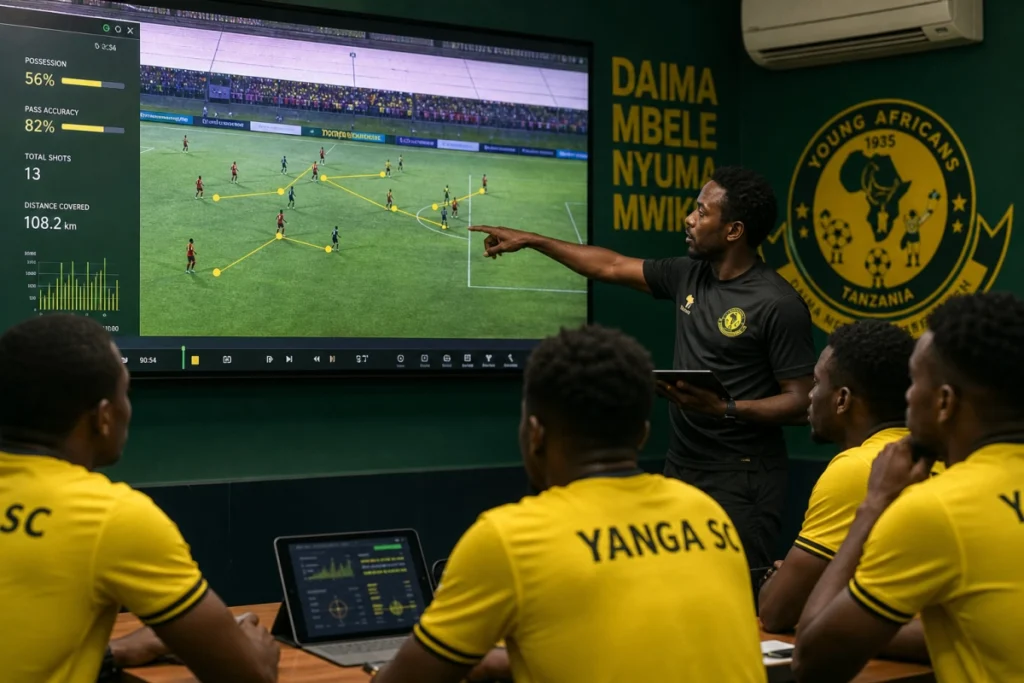
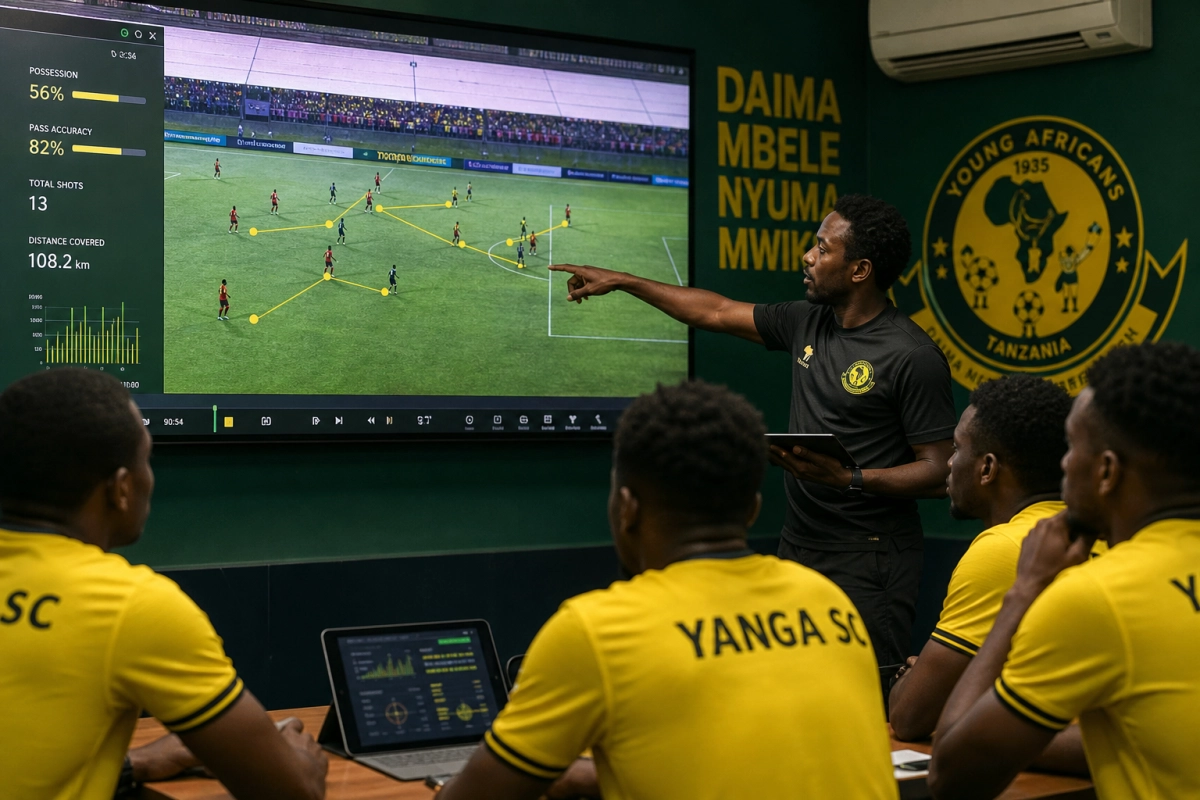
Modern football arrives in Tanzania: what readers will learn
This article examines how modern football principles — pressing, positional play, data-informed training, nutrition and youth development — are being adopted by Tanzanian and East African clubs. Readers will get plain explanations of each principle, a brief timeline of adoption (roughly 2018–2024), recent club examples, and early signs of what these changes mean for match results, player pathways and upcoming fixtures.
Why modern football principles matter for local clubs and fixtures
Modern football emphasizes structure, intensity and evidence-based preparation. For Tanzanian clubs facing congested domestic calendars and CAF competitions, these principles offer practical gains:
- Consistent pressing and positional play improve control of games and can increase possession-based chances against stronger opponents.
- Data-informed training reduces injury risk and helps coaches manage player load across tight fixture lists.
- Planned nutrition and sports science raise stamina and recovery — crucial for away trips and back-to-back matches.
- Clear youth development pathways turn academy graduates into first-team options, lowering transfer costs and creating exportable talent.
Adopting these elements is not an overnight fix. Clubs in Tanzania and across East Africa have generally increased investment and coaching sophistication since about 2018, with accelerated uptake after 2020 as more teams participated in continental competitions and sought marginal gains.
How clubs are applying pressing, positional play, data and youth policies
Several practical trends are visible among clubs in the Tanzania Premier League and neighbouring leagues. The specifics vary by club resources, but the underlying steps are similar.
Pressing and positional play on the pitch
Clubs are training structured pressing triggers and defined positional zones. In recent seasons, top Tanzanian teams have shifted from reactive defending to coordinated pressing in phases — forcing turnovers higher up the field. Coaches deploy clearer passing lanes and positional rotation to create overloads on flanks and between lines, especially in CAF Champions League and Confederation Cup fixtures where tactical discipline matters.
Data-informed training and sports science
Teams have started using GPS trackers, heart-rate monitoring and video analysis to tailor sessions and monitor player fatigue. This data helps with:
- Load management before congested fixture periods (league matches, cup ties and continental away legs).
- Selecting line-ups based on recovery status and opponent profile.
- Designing set-piece routines informed by opponent weaknesses identified on video.
Nutrition and youth development as long-term foundations
Nutritionists and structured academy programs are becoming standard at better-resourced clubs. Youth setups now emphasize tactical literacy and physical preparation aligned with first-team methods, creating smoother transitions for academy players into senior squads and into transfer markets in South Africa, North Africa and Europe.
Next, Part 2 will provide club-by-club examples with timelines (2018–2024), measurable impacts on recent results and specific players who have progressed through these systems, and examine what this means for upcoming fixtures and continental ambitions in the short term under the lens of modern football methods.
Club-by-club timelines and concrete examples (2018–2024)
Across Tanzania the broad pattern is similar: an initial push around 2018–2019, a pause or re-evaluation during the pandemic, and then more deliberate, resourced roll-outs between 2020 and 2024. A few club-level timelines illustrate how the pieces fit together.
– Simba SC — phased professionalisation (2018–2024): Simba began formalising backroom departments around 2018, then accelerated the hire of analysts and fitness staff after continental campaigns exposed margins to be gained. Between 2020 and 2023 the club strengthened its academy links to the first team, introduced GPS monitoring for senior squads and formalised meal plans for travelling squads. The visible outcomes have been steadier squad rotation, fewer late-season fitness drop-offs and more academy players being included on matchday squads.
– Young Africans (Yanga) — tactical overhaul and youth integration (2019–2024): Yanga adopted more structured positional principles from 2019, embedding pressing triggers and zonal responsibilities in youth sessions so that promotion to the senior side required tactical familiarity rather than only physical readiness. From 2021 the club reports more regular promotion of U18/U20 players into domestic fixtures and cup rotations, helping cover fixture congestion without costly signings.
– Azam FC — sports-science lead model (2016–2024, intensified 2019–2022): Azam’s earlier investment in an academy and training infrastructure meant it could move faster on sports science tools. Between 2019 and 2022 the club introduced load management, targeted recovery protocols and opponent-specific video scouting for continental opponents. The result has been a reputation for fitter performances late in the season and a higher-than-average conversion of academy players into first-team minutes.
– Emerging and smaller clubs — selective adoption (2020–2024): Mid-table teams have picked and chosen elements they can afford: a part-time analyst, a partnership with a local dietician, or formalised youth tournaments. These incremental changes have allowed some smaller clubs to upset more established sides, particularly in single-legged cup ties where tactical preparation and set-piece work matter.
Across the region, Kenyan and Ugandan clubs report similar patterns: incremental tech and science adoption after 2019, with a clear surge in 2021–2023 as knowledge and personnel circulated between leagues.
Measured impacts: match results, player pathways and what to expect in upcoming fixtures
The practical effects are becoming measurable in three connected ways.
– Match results and competition stamina: Teams that implemented structured load management and nutrition show fewer late-game collapses and better recovery between midweek and weekend fixtures. In league runs since 2021, clubs with sports science support have posted steadier point accrual across congested months; in cups, enhanced set-piece preparation and video scouting have turned narrow ties in favour of the better-prepared underdogs.
– Player pathways and market consequences: Where academies follow first-team tactical templates, promotions are less risky. Clubs report that academy graduates who already understand pressing and positional patterns require fewer adaptation weeks and are more likely to be selected in continental squads. That translates into reduced short-term transfer spending and more sellable assets — younger players who have tactical schooling attractive to South African and North African clubs.
– Fixtures and continental ambitions: For upcoming domestic and CAF fixtures the practical takeaway is preparation intensity and squad depth. Clubs that adopted data-informed rotation are more comfortable naming rotated XI for early continental rounds while remaining competitive in the league. Opponents now prepare for coordinated pressing triggers rather than ad-hoc defending; expect more games decided by transitions and set-pieces. For coaches, the immediate priority remains balancing player freshness with tactical familiarity — the clubs that do both consistently will gain the edge in the next window of league and continental fixtures.
Short practical checklist for clubs and coaches
- Invest in coach education first — tools mean little without staff who can use them.
- Start small with data: consistent, simple metrics (training load, recovery) beat sporadic high-tech purchases.
- Align academy sessions with first-team methods so promotions require tactical fit as well as talent.
- Prioritise basic nutrition and recovery protocols for travel-heavy schedules.
- Use set-piece and opponent scouting plans for immediate competitive gains in cup and continental ties.
- Seek partnerships (regional clubs, universities, sponsors) to share costs and expertise sustainably.
The road ahead for Tanzanian and East African clubs
Modern methods are a process, not a one-off project. Long-term returns will come from steady, institution-level changes: better-educated coaches, repeatable youth pathways, and realistic, locally adapted sports science. That work requires patience, consistent funding and management willing to prioritise systems over short-term fixes.
As clubs continue to blend global practices with local realities, the most important measure of progress will be resilience — the ability to maintain standards across seasons, to develop players who can step into continental competition, and to convert tactical and scientific gains into sustainable club growth. Community support, sensible governance and a focus on people will determine which teams turn potential into durable success.
For fans and stakeholders, the immediate invitation is simple: expect incremental change and judge it by steady improvements in player development, squad depth and performance consistency. When modern tools are used thoughtfully and persistently, East African football’s trajectory can shift from reactive adaptation to proactive leadership in the region.