Modern Football Explained: Data, VAR and Flexible Tactics
Modern Football: How Data, VAR and Flexible Tactics Shape the Game
Why modern football is more flexible and analytical
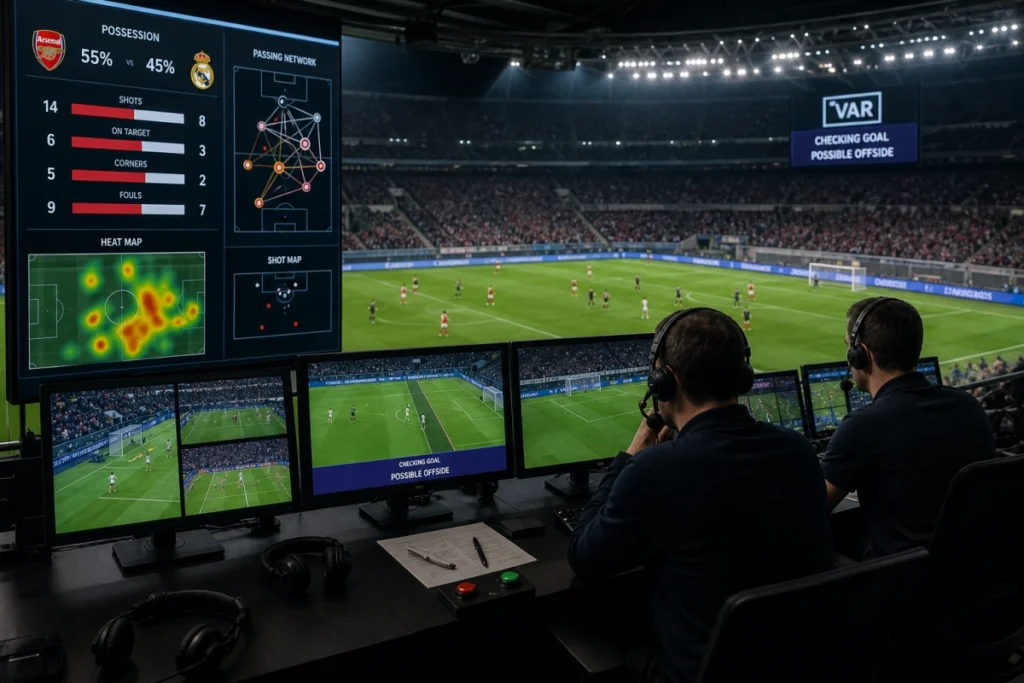
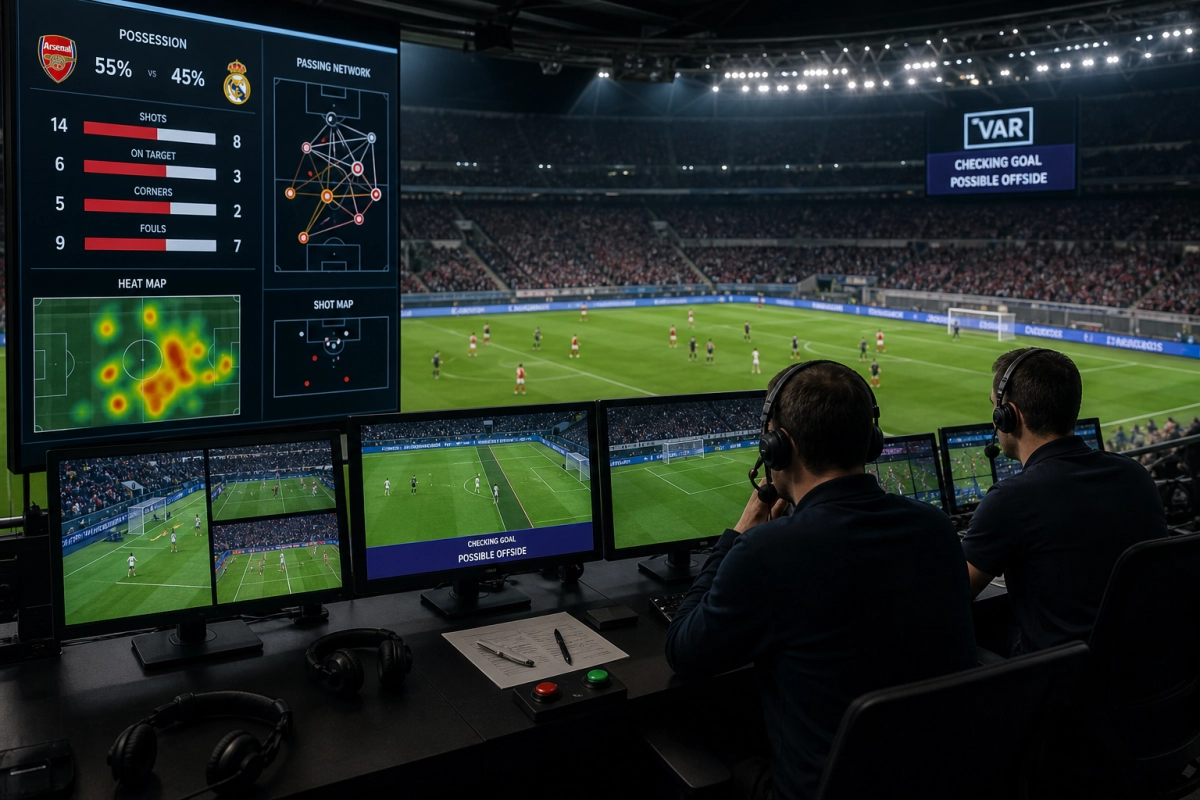
Modern football combines traditional skill with performance data, video analysis, Video Assistant Referee technology and flexible tactical systems. This article explains how these developments influence football matches, from the NBC Premier League and CAF competitions to the UEFA Champions League and Europe’s major leagues.
The basic aim remains familiar: create chances, prevent goals and control important moments. However, coaches now use more information before, during and after a match. A team’s preparation may include physical measurements, opponent analysis, video clips and detailed reviews of football statistics.
This approach does not remove the importance of talent or experience. Instead, it helps coaches make better decisions about team selection, pressing, substitutions and player workload. For Tanzanian and East African clubs, the challenge is to use useful methods without copying European systems that may require much larger budgets.
How performance data supports football decisions
Performance data gives coaches a clearer picture of what happens during a match. Basic figures such as possession, shots, passes and distance covered can be combined with more advanced measures. One widely discussed statistic is expected goals, or xG. It estimates the quality of a chance based on factors such as its location, angle and type of assist.
For example, a team may win 1–0 but create fewer and weaker chances than its opponent. The score remains the official result, while xG can help explain whether the result came from strong defending, excellent goalkeeping, poor finishing or an element of luck.
Clubs can also use GPS trackers, heart-rate monitors and video footage to study training and fatigue. This information may help staff identify when a player is covering too much ground or needs a lighter session before an important fixture.
- Match analysis: Coaches review pressing, passing patterns, shot locations and defensive errors.
- Player workload: Physical data can support recovery plans and reduce the risk of overtraining.
- Scouting: Clubs compare players using attributes such as ball recoveries, progressive passes and defensive actions.
- Opposition preparation: Video shows where an opponent creates chances and how it reacts under pressure.
Resources differ across Tanzania, Kenya, Uganda and other East African football markets. Some clubs may not have the same tracking systems as leading European teams, but structured video review and accurate match records can still improve decision-making.
Flexible formations and the changing role of VAR
Modern football formations are often described by numbers such as 4-3-3 or 3-4-2-1, but those numbers can change during a match. A full-back may move into midfield during possession, while a winger drops deeper to help defend. This creates a different shape with the ball and without it.
VAR has also changed key decisions in major competitions. Its review protocol is limited mainly to goals, penalties, direct red cards and cases of mistaken identity. The system can correct serious errors, although reviews may interrupt the flow of a match and create debate among supporters.
These tactical and technological changes are closely connected to the rise of players who can perform several roles, a development that will be examined next.
Why multi-role players give teams more tactical options
A multi-role player can perform different tasks depending on the phase of play. A midfielder may help build attacks, press the opponent and cover the space beside a full-back. A wide defender may defend as part of a back four but move into midfield when the team has possession. These players allow a coach to change the team’s shape without making an immediate substitution.
At club level, this flexibility can be especially valuable when injuries, suspensions or a crowded fixture schedule reduce the available squad. A Tanzanian team competing in the NBC Premier League or CAF competitions may need players who can cover more than one position during domestic and continental travel. Versatility does not mean that every player must do everything. It means that a player understands several responsibilities and can make sensible decisions when the match changes.
European competitions provide clear examples of this approach. Manchester City have often used defenders who move into midfield, while Liverpool’s full-backs have regularly contributed to chance creation through advanced passing and crossing. In Serie A, La Liga and the UEFA Champions League, teams frequently alter their pressing structure depending on whether the opponent builds with two or three defenders.
How flexible formations appear during a real match
A team listed as 4-3-3 may defend in a 4-1-4-1, build in a 3-2-5 and attack with five players in the final line. These changes can happen through movement rather than formal instructions to stop and rearrange. The goalkeeper may act as an extra passing option, one centre-back may spread wide and a full-back may enter central areas.
For East African clubs, the same principles can be applied with simple coaching language and careful video work. Staff can identify when a defensive midfielder should drop between centre-backs, when a winger should track an overlapping full-back and when the nearest player should press after losing possession. The objective is not to reproduce a wealthy European club’s exact formation. It is to create clear relationships that suit the team’s players, pitch conditions and competition demands.
Data can support these choices by showing whether a tactical change improves field position, ball recoveries or the quality of chances created. Video then adds context. A numerical report may show that a winger lost possession several times, while footage may reveal that those errors came from attempting difficult passes because teammates were not offering safe options.
Using VAR without losing the human side of football
VAR works best when it supports, rather than replaces, the referee’s authority. The on-field official still makes the initial decision, and a review is recommended only when the video team identifies a possible clear and obvious error or a serious missed incident. This distinction matters in CAF and European matches, where decisions can influence qualification, penalties and tournament progress.
Clubs and supporters also need realistic expectations. Video cannot remove every disagreement because some incidents involve interpretation, such as handball, contact in the penalty area or whether a challenge deserves a red card. Better camera coverage, trained officials and clear communication can improve trust, but debate will remain part of football.
Building smarter football systems for the future
The most effective modern football approach is not simply to collect more data, use more technology or select increasingly complex formations. It is to connect each tool to a clear football purpose. Coaches need information that helps players understand their responsibilities, officials need systems that support fair decisions, and clubs need tactical plans that match their available resources.
For teams in Tanzania and across East Africa, progress can come through steady improvements rather than expensive imitation. Reliable match records, organised video sessions, clear communication and well-trained multi-role players can provide a strong foundation. European competitions may offer useful examples, but local coaches must adapt those ideas to their own players, schedules, pitches and competitive environments.
Football will continue to change as analysis becomes more detailed and tactical roles become more fluid. Its human qualities, including judgement, creativity, leadership and resilience, will remain essential. The best teams will be those that use modern tools intelligently while preserving the freedom and character that make the game meaningful.