World Cup Draw Explained: Pots, Rankings, Hosts and Group Rules
How the World Cup Draw Is Organised
The World Cup draw decides how qualified teams are placed into groups, which opponents they face and, later, which route they may take towards the knockout stages. This guide explains the main rules behind the process, including qualification pots, FIFA rankings, host positions and confederation restrictions. It also provides useful context for football supporters in Tanzania and across East Africa following the global tournament.
How the World Cup Draw Works
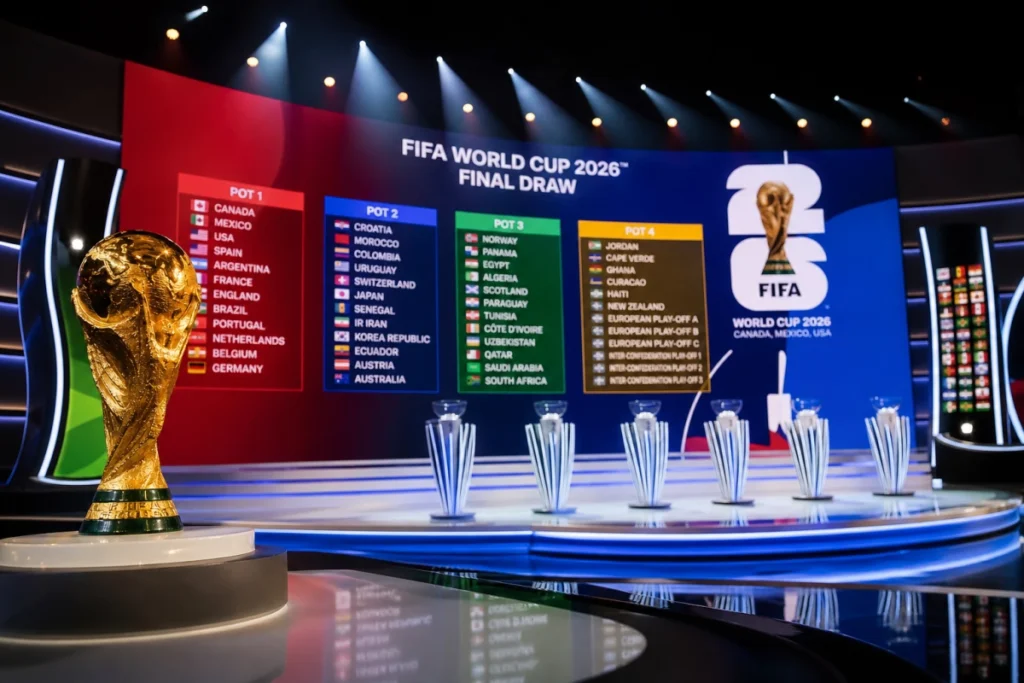
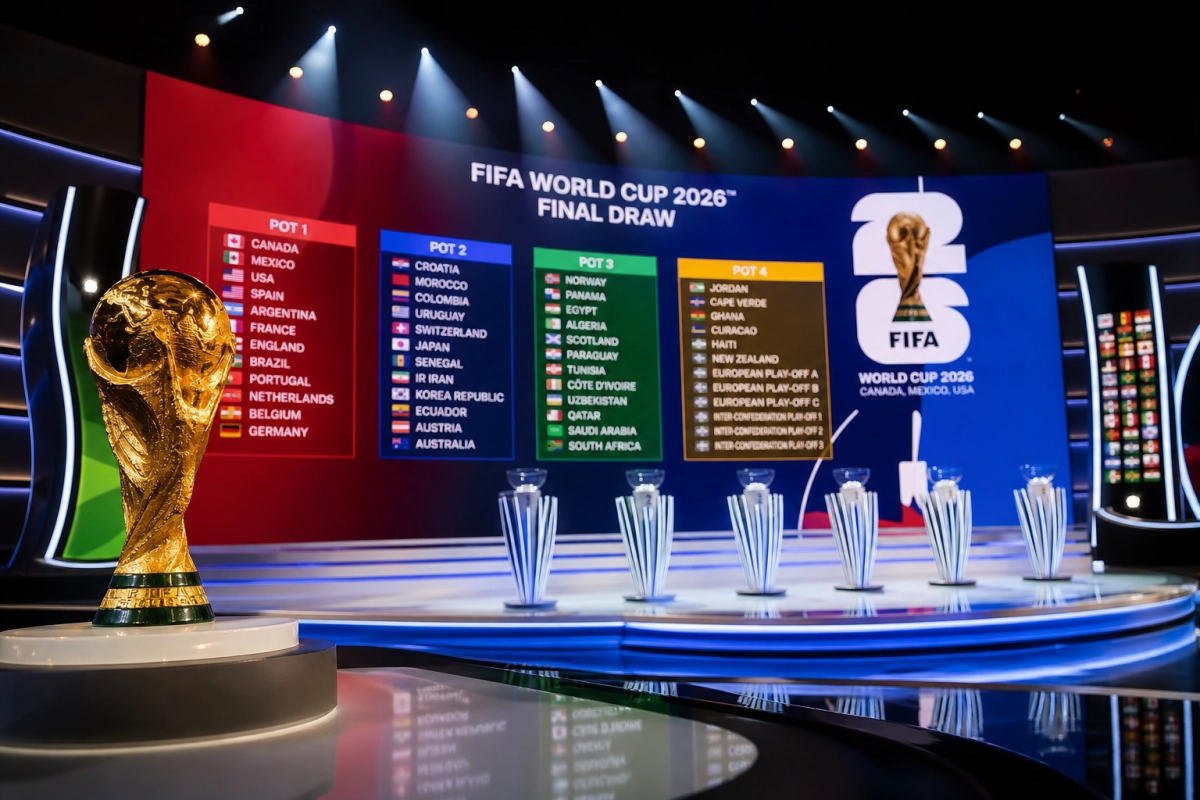
The 2026 World Cup will feature 48 teams divided into 12 groups of four. Rather than placing every team into one large pool, FIFA separates the qualified nations into pots before the draw begins. The draw then selects teams from each pot and assigns them to the groups.
In a normal group, one team is taken from each pot. This helps create a broad competitive balance, although the final difficulty of each group can still vary considerably. A group may contain a highly ranked favourite, a strong second seed and two teams capable of causing an upset.
The draw is conducted in a fixed sequence. Officials select a team, place it in the next available group position and check whether that placement follows the tournament rules. If a selection would break a restriction, the process moves to another eligible group. This prevents an invalid group from being created.
What Are the World Cup Pots?
The pots are ranking-based groups used to organise the draw. For the 2026 tournament, the qualified teams are largely allocated according to the FIFA Men’s World Ranking issued on 19 November 2025. Higher-ranked nations are generally placed in earlier pots, while lower-ranked teams are placed in later pots.
The main purpose of seeding is to avoid putting too many of the strongest teams together in the same group. It does not guarantee an easy schedule, because a team’s position in a pot is only one part of the draw. Confederation rules, host arrangements and available group positions also affect the final outcome.
- Pot 1: includes the leading seeded teams and the three host nations.
- Lower pots: contain teams with progressively lower ranking positions among the qualified nations.
- Unconfirmed qualifiers: may be represented by placeholders if the draw takes place before every qualification route is complete.
How FIFA Rankings and Host Nations Affect Placement
FIFA rankings matter because they influence which opponents a team can meet in the group stage. A strong ranking can place a national team in a favourable seeding position, while a lower ranking may lead to a group containing several highly rated opponents.
The three co-hosts—Canada, Mexico and the United States—are placed in Pot 1. Their opening group positions are also fixed: Mexico is assigned to A1, Canada to B1 and the United States to D1. These arrangements reflect their hosting responsibilities and help establish the tournament’s opening schedule.
Group restrictions then become important. A group generally cannot contain more than one team from the same confederation. The exception is UEFA, which can have up to two teams in one group. For example, two African teams cannot share a group, while a European team may be drawn alongside another European nation.
These rules mean the draw is not simply random. Once pots, rankings, host positions and confederation limits are applied, fixture order and the possible knockout route begin to take shape.
How Teams Are Assigned to Groups and Fixtures
After a team is selected from a pot, it is assigned to an available group position that satisfies the draw conditions. The letter and number in a position show both the group and the order in which the team is listed. A nation placed in a group’s first position may receive a different fixture sequence from a team drawn into the second, third or fourth position.
This matters because the schedule is not created separately from the draw. Once the group positions are confirmed, FIFA can set the match order, venues and dates while considering travel, stadium availability, broadcast plans and tournament logistics. Hosts are given prominent opening fixtures, while the wider schedule is arranged to make the competition practical across the three host countries.
For supporters, the order of matches can be almost as important as the opponents themselves. A team that faces its strongest rival first may need a result immediately, whereas another nation may have time to build confidence against a less highly rated opponent. Rest periods and travel between venues can also influence preparation, recovery and squad rotation.
Why Confederation Restrictions Make the Draw More Complex
Confederation restrictions are checked throughout the process rather than only after all teams have been selected. If a group already contains an African, Asian or South American team, another nation from that confederation cannot normally be placed there. UEFA’s special allowance means that a group can include two European teams, but not three.
These limits can create a chain reaction. A team may appear eligible for several groups at the beginning, but fewer options may remain as the draw continues. If placing a team in one group would leave a later selection with no valid destination, officials must revise the allocation and use another available position. This is why the draw procedure follows a carefully defined order instead of relying on a simple random shuffle.
The same principle applies to qualification placeholders. If a play-off winner has not yet been confirmed, the placeholder is treated according to the confederation or qualification pathway it represents. Once the team qualifies, its identity can affect the practical difficulty of the group, even though the original draw position remains unchanged.
How the Draw Shapes the Route to the Knockout Stages
The expanded 2026 format sends the top two teams from each group through to the knockout phase, along with the eight best third-placed teams. This gives more nations a route forward than the traditional 32-team format, but it does not remove the importance of every group-stage result.
A team’s final group position can influence its first knockout opponent and the side of the bracket it enters. Finishing first may produce a different route from finishing second, while qualifying in third can lead to an even less predictable pairing. The ranking of third-placed teams may also matter, because only the strongest eight advance.
Consequently, teams are competing not only to qualify but also to secure the most favourable position. Avoiding an early meeting with another major contender, reducing travel or gaining a preferred bracket path can all become strategic objectives. The draw cannot determine the eventual winner, but it establishes the framework in which those opportunities and challenges will develop.
The Draw Sets the Stage for the Tournament
The World Cup draw is more than a ceremonial event. It creates the competitive framework for the group stage, influences travel and scheduling demands, and gives each team an early sense of the challenge ahead. Once the pots, restrictions and fixtures have been settled, preparation can move from qualification to execution, with every nation knowing that its route through the tournament has begun.