World Cup Expansion: What It Means for Tanzania and East Africa
World Cup expansion and what readers will learn
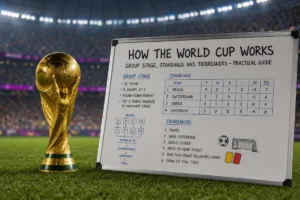
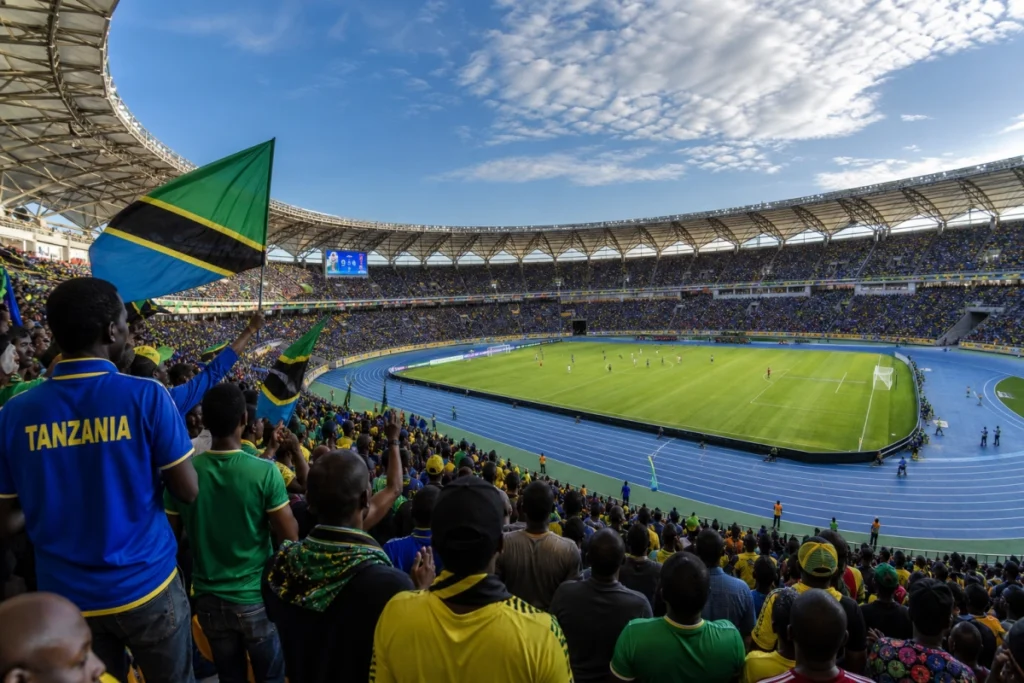
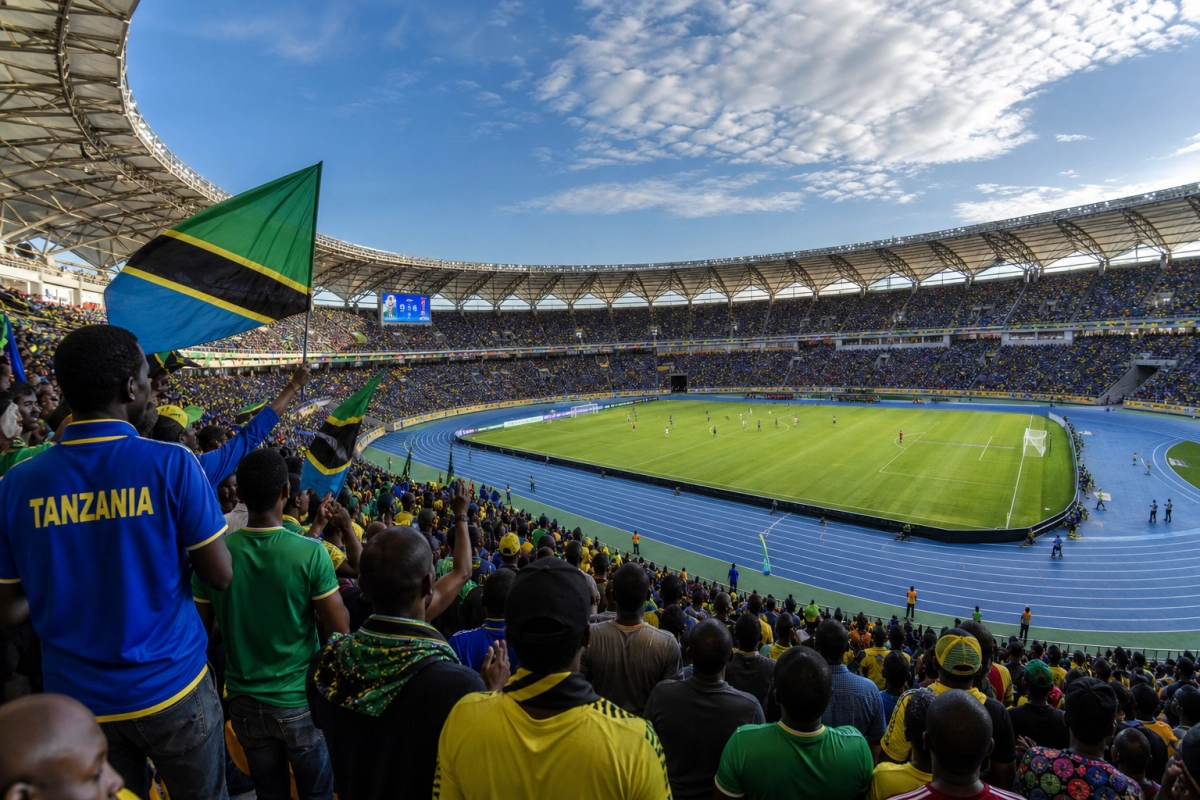
The World Cup has grown to 48 teams and that changes opportunity for Tanzania and East Africa. This article explains how the expanded tournament alters qualification routes and the calendar, which competitions national teams and clubs must prioritise now, and practical short‑term steps federations, clubs, coaches, players and fans can take to improve qualification chances. Later sections will lay out longer‑term reforms and a fan‑friendly calendar.
How the new qualification landscape affects East Africa
FIFA’s expansion to a 48‑team World Cup increases African representation and makes qualification more realistic for nations outside the traditional continental powerhouses. For Tanzania and neighbouring countries, the key changes are greater margin for error and more slots available via direct qualification or intercontinental playoffs.
Basic route to the World Cup under the expanded format
- Preliminary rounds: lower‑ranked CAF nations usually play early knockout or mini‑group ties to reach the main phase.
- Main group phase: national teams enter group stages across FIFA international windows; group winners (and in some cycles best runners‑up) qualify directly.
- Playoffs: additional intercontinental or continental playoffs decide final berths — a realistic pathway for teams finishing close to the top of their groups.
Qualification normally runs across two to three years of FIFA windows (typically March, June, September, October and November). The 2026 cycle used windows from 2023–2025; future cycles are expected to follow a similar timetable, so federations should plan multi‑year schedules rather than single tournament campaigns.
Immediate competitions Tanzania and East Africa must prioritise
Not every match carries equal value. Prioritising the right competitions creates momentum and prepares squads for World Cup qualifiers.
Top competitions to focus on now
- World Cup qualifiers: The primary route — every window matters. Use qualifiers to build consistent lineups and gain points early.
- Africa Cup of Nations (AFCON): AFCON provides high‑intensity competitive matches and exposes tactical weaknesses. Strong AFCON performances improve rankings and confidence.
- Regional tournaments (CECAFA): Tournaments like the CECAFA Cup are ideal for testing fringe players, experimenting with systems and developing cohesion without the full pressure of qualifiers.
- Club competitions (CAF Champions League/Confederation Cup): Regular continental club football raises player standards and match sharpness for internationals.
Federations should coordinate national team windows with domestic leagues so top players are available, and use friendly matches in FIFA windows against similarly ranked nations to simulate qualifier conditions.
Short‑term, concrete steps for federations, clubs, coaches, players and fans
Immediate, realistic actions can improve odds of qualifying before longer reforms take effect.
- Federations: schedule competitive friendlies in FIFA windows, fast‑track coaching licences, improve logistics for away qualifiers, and prioritise scouting of diaspora players.
- Clubs: agree on player release policies, invest in sports science, and use CAF fixtures to give players high‑pressure experience.
- Coaches: stabilise core tactics, integrate youth gradually, and keep a 30–35 player national pool to cover injuries and club commitments.
- Players: maintain fitness through club-season planning, accept national duty in key windows, and focus on versatility (multiple positions increase selection chances).
- Fans: expect more qualifiers across FIFA windows, support rebuilding phases, and use regional tournaments to learn about emerging players.
These short‑term steps are practical and inexpensive compared with stadium projects or federation restructuring, but they require coordination and discipline across the game. In the next part we will detail long‑term structural reforms, a step‑by‑step club and federation action plan, and a clear calendar fans can follow to track Tanzania’s World Cup chances.
Long‑term structural reforms for sustained World Cup competitiveness
Short‑term fixes buy time, but real change requires systemic reform over 5–10 years. Tanzania and East African football should pursue interlocking investments that turn occasional good squads into consistent contenders.
- Youth development networks: mandate and support U‑13 to U‑20 academies tied to clubs and schools, plus a national U‑17/U‑20 league. Regular age‑group competitions create a pipeline and reduce late technical catch‑up.
- Coach education and retention: fund CAF/UEFA‑aligned licensing bursaries, create masterclasses with experienced international coaches, and reward licensed coaches with clear career pathways and better pay to reduce turnover.
- Club licensing and professionalisation: enforce basic financial, medical and facilities standards for top‑tier clubs. Professional clubs should have sports science staff, youth coaches and structured scouting systems.
- Data, scouting and diaspora integration: build a centralised scouting database, invest in video analysis tools and formalise diaspora scouting — easy wins that broaden player pools and inform selection objectively.
- Facilities and medical capacity: prioritise a handful of regional high‑performance centres for recovery, injury prevention and referee training rather than scattered stadium projects that seldom serve grassroots needs.
- Governance and transparency: adopt clear performance targets, independent audits and stakeholder representation so federations make footballing choices rather than short‑term political ones.
A practical multi‑year action plan for federations and clubs
Translate reforms into an actionable timeline with measurable targets. Below is a compact, realistic three‑phase plan federations and clubs can adopt.
- Year 1 (foundations): establish a 30–35 player national pool, schedule 4 competitive friendlies in FIFA windows, require top‑tier clubs to appoint at least one certified youth coach, and kick off a national U‑17 championship.
- Years 2–3 (capacity building): roll out coaching bursaries, implement club licensing for top divisions, open one regional high‑performance centre, and integrate data/analysis staff into the national team setup. Aim for AFCON qualification and use CECAFA to test wider squads.
- Years 4–6 (consolidation): strengthen academy coaching, expand scouting networks (including the diaspora), secure sustainable commercial partnerships, and make the national team competitive enough to target direct qualification or playoff spots consistently.
Key performance indicators to track: percentage of clubs meeting licensing criteria, number of licensed coaches, youth players progressing to senior squads, and FIFA ranking progress. Regular reviews keep the plan practical and politically durable.
A fan‑friendly qualification calendar and what to expect
Fans need clarity to support the team effectively. Here’s a simple cycle to follow so supporters know when the moments that matter arrive.
- Pre‑season / domestic season (Aug–May): watch club form and CAF competitions to judge player fitness and chemistry.
- FIFA windows (typically Mar, Jun, Sep, Oct, Nov): expect World Cup qualifiers and key friendlies; these windows decide group standings, so prioritize availability and attendance where possible.
- AFCON windows (odd‑year summer/winter depending on scheduling): a major form indicator — deep runs boost confidence and rankings; early exits highlight tactical and squad gaps.
- Regional tournaments (CECAFA): usually interspersed between qualifiers — great opportunities to see emerging talent affordably.
Sample cycle for a three‑year qualification campaign: Year 1 starts qualifiers and friendlies; Year 2 combines AFCON qualifiers/tournament with more group matches; Year 3 settles final group games and potential playoffs. Fans should follow youth teams and club competitions between windows, buy tickets early for key qualifiers, and use federation channels for travel and squad updates. Realistic expectations—celebrate milestones like first competitive wins, improved rankings and a playoff berth—will keep momentum and community support strong.
Moving forward: turning possibility into progress
The expanded World Cup has created new possibilities. Turning possibility into progress will depend on steady, collective effort: aligned planning from federations, deliberate professionalisation from clubs, patient systems‑building from coaches, disciplined preparation from players, and sustained support from fans. Progress is measured across cycles, not single matches, so realistic expectations and long‑term commitment matter.
Success will come from simple, consistent actions repeated over time: transparent decision‑making, predictable calendars, investment in youth and coaching, and a culture that rewards development as much as short‑term gains. When stakeholders coordinate around clear milestones and hold each other accountable, small gains compound into genuine competitiveness.
How to stay engaged
- Attend or follow qualifiers and regional tournaments to build atmosphere and revenue for the game.
- Support and promote youth programmes and local clubs—volunteering or sponsoring youth competitions makes a tangible difference.
- Encourage and expect transparency from federations; reward progress with continued backing and constructive critique.
- Keep watching domestic leagues and youth fixtures between windows to track emerging talent and momentum.
Now is the time for consistent, coordinated action. With patience and persistence, Tanzania and its East African neighbours can convert the expanded World Cup opportunity into real, lasting progress on the pitch and off it.