Modern Football Technology: VAR, Goal-Line Technology and SAOT Explained
How Technology Has Reshaped Modern Football
Modern football now combines officials with smarter technology
Modern football technology has changed how you watch matches, understand decisions and judge team performances. In this guide, you will learn how VAR, goal-line technology, semi-automated offside decisions, player-tracking data and five-substitution rules have reshaped refereeing, coaching and the fan experience.
The aim is not to remove human judgment from football. Instead, these systems give referees and coaches more information when a decision is difficult or a match is moving at high speed. For fans following Premier League scores, Champions League results, CAF competitions or the NBC Premier League, technology has become part of the match story.
However, greater accuracy has also created new debates. You may celebrate a goal and then wait while an incident is reviewed. A correct decision can still feel frustrating if the explanation is unclear or the delay interrupts the emotion of the game.
What VAR changed in modern football
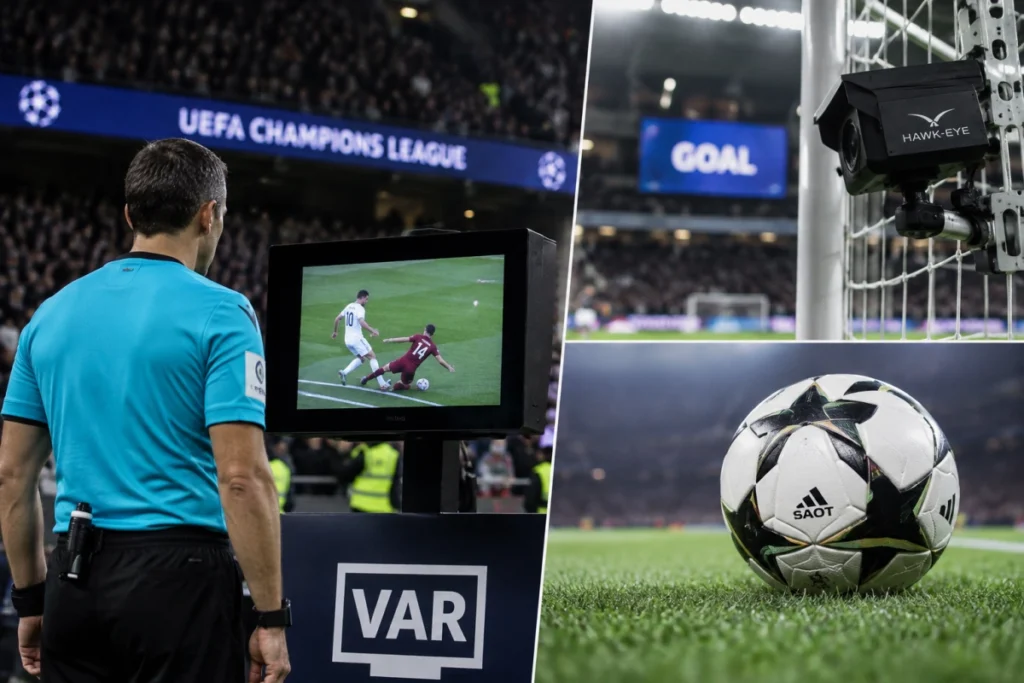
Video Assistant Referee technology supports the referee in four main situations: goals and offences leading to goals, penalty decisions, direct red cards and mistaken identity. The VAR team watches video footage from several camera angles and contacts the referee when there may be a clear and obvious error or a serious missed incident.
The referee remains the final decision-maker. Depending on the competition and the incident, the referee may accept the VAR recommendation or review the footage on a pitch-side monitor. This process is especially important when a small detail changes the meaning of an attack, such as a handball, a foul before a goal or an offside position.
Why VAR has improved accuracy
- Important goals can be checked for fouls and offside offences.
- Penalty decisions can be reviewed from different angles.
- Serious disciplinary mistakes are less likely to go unnoticed.
- Referees can correct decisions that may affect the result.
VAR has also changed coaching. Managers now remind players to defend carefully inside the penalty area and avoid unnecessary challenges. Attackers continue movements until the assistant referee signals, because a close decision may be checked later.
How goal-line technology delivers a quick answer
Goal-line technology focuses on one question: did the whole ball cross the line? Cameras and tracking systems monitor the ball’s position, then send a signal to the referee’s watch when a goal has been confirmed. In FIFA systems, the decision can reach the referee within about one second.
This is different from VAR. Goal-line technology is designed for a precise, automatic decision rather than a long video review. It is useful when the ball is blocked by defenders, saved on the line or cleared immediately after crossing it.
For you as a supporter, the benefit is simple: a disputed goal can be settled quickly, without relying only on the referee’s view or television replays. Even so, the system depends on approved equipment and competition resources, meaning its availability can differ between major international tournaments, elite leagues and some African competitions.
Offside decisions create a more complex challenge, which is why semi-automated technology has become the next major development in modern football.
How semi-automated offside decisions speed up difficult calls
Semi-automated offside technology helps officials judge whether an attacker was beyond the second-last defender when the ball was played. Cameras track players and the ball, while artificial intelligence identifies the relevant body positions and the moment of the pass. The system then sends an alert to the VAR team, which checks the information before the referee confirms the decision.
This technology does not remove the offside law or the need for human review. A player may be in an offside position without committing an offence, and officials still need to decide whether that player interfered with an opponent or gained an advantage. In many competitions, the system creates a three-dimensional animation to show supporters why a goal was allowed or disallowed.
The main change is speed and consistency. Very close decisions can be examined using the same tracking process rather than depending entirely on a manually selected video frame. That can reduce the time needed for a review, although complex incidents may still cause delays. The technology also makes coaching more demanding, as attacking movements must be timed precisely and defenders are encouraged to hold their line with greater confidence.
How player-tracking data has changed coaching and performance
Player-tracking systems use cameras, sensors or a combination of both to record movement across the pitch. Coaches can study distance covered, sprint speed, acceleration, positioning, pressing intensity and the spaces a team creates or leaves open. This information adds detail to what staff see during the match and in training.
A coach may discover that a winger is making repeated high-speed runs but receiving the ball too late, or that a midfielder is covering less ground after an intense period of pressing. Analysts can compare these patterns with possession, chances and defensive actions. The result is a more evidence-based approach to substitutions, match plans and recovery work.
Tracking data has also influenced recruitment. Clubs can assess whether a potential signing fits a particular tactical system, rather than judging the player only through goals, assists or reputation. However, numbers need context. A player’s positioning may reflect specific instructions, while fatigue, weather and the quality of the opposition can affect physical measurements.
How five substitutions have changed the rhythm of matches
The move from three substitutions to five has given coaches more ways to manage demanding fixtures. Substitutes can refresh a tired press, protect a lead, change the shape of the attack or replace players carrying minor injuries. In congested seasons, this rule can also help teams distribute minutes and reduce physical overload.
For supporters, the final stages of a match can now contain several tactical changes. A team may introduce a faster forward against tiring defenders, add an extra midfielder to control possession or switch to more defensive players while protecting a narrow advantage. The rule has therefore made benches more important and increased the value of squad depth.
There are trade-offs. Frequent changes can interrupt momentum, and wealthy clubs with stronger benches may gain an advantage. Younger players may also receive more opportunities, but not every substitution improves the spectacle. The match can become more tactical, with coaches using planned changes to influence its pace and shape.
Finding the right balance between technology and the human game
Technology will continue to influence football, but its value depends on how thoughtfully it is used. Accurate tools should support officials, not obscure the laws or weaken the authority of the referee. Clear communication, sensible review times and consistent competition standards are essential if supporters are to trust the process.
The strongest future for football combines better information with the emotion, uncertainty and judgment that make matches compelling. As systems develop, leagues and governing bodies must ensure that innovation improves fairness while preserving the pace, drama and shared experience at the heart of the sport.