Modern Football Tactics: High Pressing, Positional Play and Flexible Roles
How modern football tactics shape the game
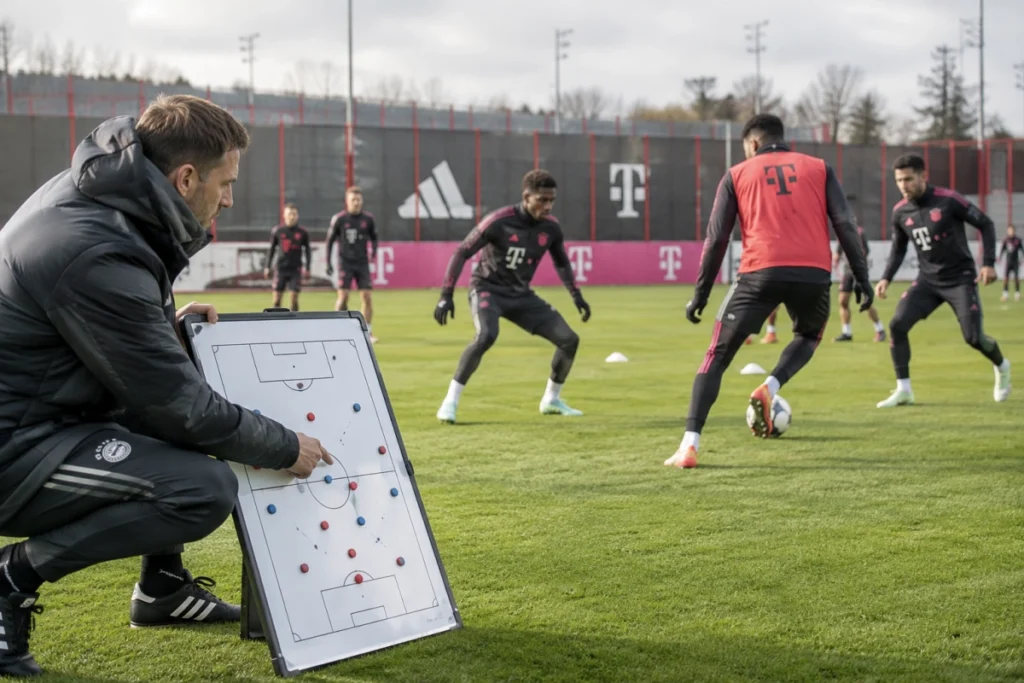
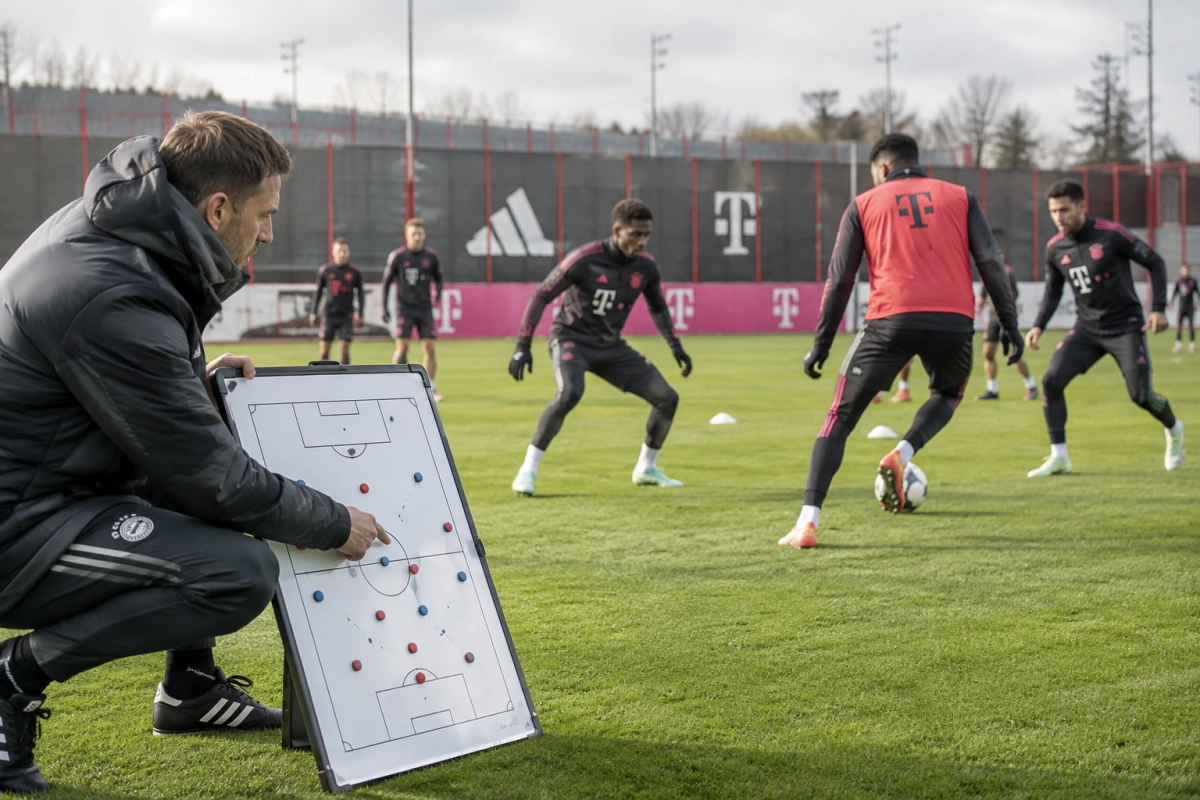
Modern football tactics are built around more than a team’s starting formation. High pressing, positional play and flexible player roles influence how a side defends, moves the ball and creates chances. Understanding these ideas helps you see why teams can look very different in possession and out of it, even when they begin with the same formation.
For fans in Tanzania and across East Africa, these patterns are useful to watch in local competitions as well as major European and African tournaments. A side may press aggressively to win the ball near the opponent’s goal, then quickly spread out to attack. Another may keep possession patiently, moving players into spaces that make it easier to pass through or around a defence.
These approaches are connected. Pressing can create attacking chances, while good positioning helps a team keep the ball and avoid being trapped. Coaches also ask players to change their responsibilities as the match develops. The key is not simply where a player starts, but how they respond to the situation around them.
How a high press turns defence into attack
A high press is a coordinated attempt to challenge the opponent close to their goal. Rather than waiting deep, a team moves forward together to limit passing options and encourage a rushed decision. If the press works, the team can regain possession in a dangerous area, close to goal.
Players do not usually sprint at the ball without a plan. They look for pressing triggers: moments when the opponent is more likely to struggle, such as a backward pass, a poor first touch or a pass towards the touchline. One player may close down the ball-carrier while teammates block nearby passing lanes. This is how a press can guide an opponent into a crowded area.
The approach has risks. If the opponent passes through the first line of pressure, there may be open space behind the pressing players. A long pass can also bypass the press and leave defenders facing runners in space. Teams therefore need good timing, communication and fitness, as well as a clear plan for what to do if the ball is not won immediately.
When you watch a match, notice whether the whole team advances together or whether only one or two players chase the ball. A coordinated press can force errors; an isolated challenge can make it easier for the opponent to play forward.
How positional play creates space and passing options
Positional play is a way of arranging players across the pitch to provide useful passing options and stretch the opposition. Players aim to occupy different areas rather than all moving towards the ball. This can create space for a teammate to receive, turn and advance, or draw defenders away from the area where the team wants to attack.
Teams may use rotations, where players briefly exchange positions, to unsettle defenders. For example, a midfielder can move wide while a full-back advances into the middle. These movements can create an overload: more attacking players in a particular area than the opposition has defenders ready to cover. The aim is not possession for its own sake, but possession that helps the team progress.
However, a well-organised defence can still close those spaces, and careless positioning can leave a team exposed to a counterattack. That is why players must adjust their roles from one phase to the next—a shift that leads into the changing duties of full-backs, midfielders and goalkeepers.
How full-backs move between defence and midfield
Full-backs now often have different jobs depending on whether their team has the ball. They may overlap on the outside to give a winger room to move infield, or step into central midfield to offer a short passing option. Moving inside can also help a team keep control if it loses possession, because more players are already positioned to challenge for the ball in the centre.
These choices depend on the players around them. If a full-back moves centrally, a winger may stay wide to stretch the defence, while a midfielder covers the space left behind. Another team might send its full-back forward and ask a holding midfielder to protect the defensive line. The same player can therefore help build attacks, support a press and defend against counterattacks—but not all at once.
Watch what happens after a full-back advances. If a teammate moves across to cover, the team is sharing the risk. If nobody fills the space, an opponent may be able to attack down that side when possession changes.
Why midfielders and forwards exchange responsibilities
Midfielders and forwards also switch roles to make marking more difficult. A forward might drop deeper to receive the ball, drawing a centre-back away from the defensive line. A midfielder can then run into the space behind, giving the team a way to attack beyond the defence. The movement works best when teammates recognise it and time their runs to create options rather than crowding the same area.
These exchanges can also support a press. If a forward moves into midfield, they may help block a passing route or challenge an opponent receiving the ball. Meanwhile, a midfielder can push higher to pressure a defender. The roles have changed, but the team still needs to stay connected: if players move forward without covering one another, the opponent may find space to play through.
For viewers, it can be useful to follow a player rather than focus only on the ball. Notice whether they hold their position, drop to help build play or make a run beyond the defence. Those choices show how a team is trying to create an advantage.
How flexible roles depend on the match situation
Flexible roles are not simply a matter of players roaming wherever they choose. Coaches set guidelines about which spaces need to be occupied and who covers them when someone moves. A goalkeeper, for instance, may come forward to help circulate the ball and give defenders an extra passing option. When possession is lost, they must be ready to protect the space behind the defence.
Teams may also adjust these responsibilities as the match changes. A side protecting a lead might ask its full-backs to advance less often, while a team chasing a goal may send more players forward. Fatigue, substitutions and the opponent’s shape can all influence those decisions. The tactical challenge is to gain an attacking benefit without leaving gaps that are easy to exploit.
The tactical game keeps evolving
Football tactics are never fixed: ideas change as coaches experiment, players adapt and opponents find new ways to respond. That constant exchange is part of what makes the game compelling.
Look beyond the ball and the starting formation, and each match becomes a live contest of decisions—one that can shift with a single movement, adjustment or moment of recognition.