World Cup 2026 Venues by Country: Stadiums in USA, Canada, Mexico
How a tri-nation World Cup changes where you’ll watch the games
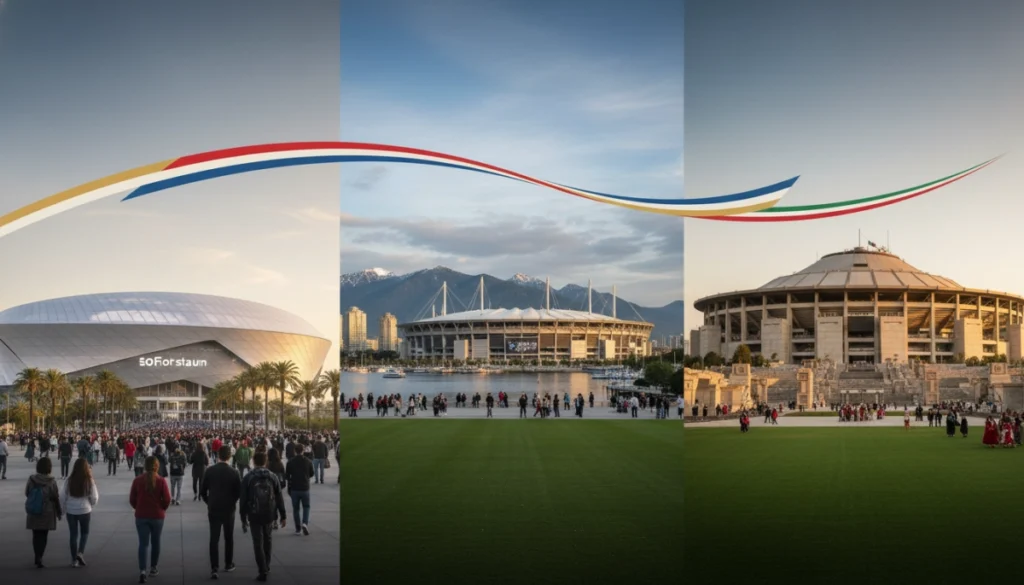
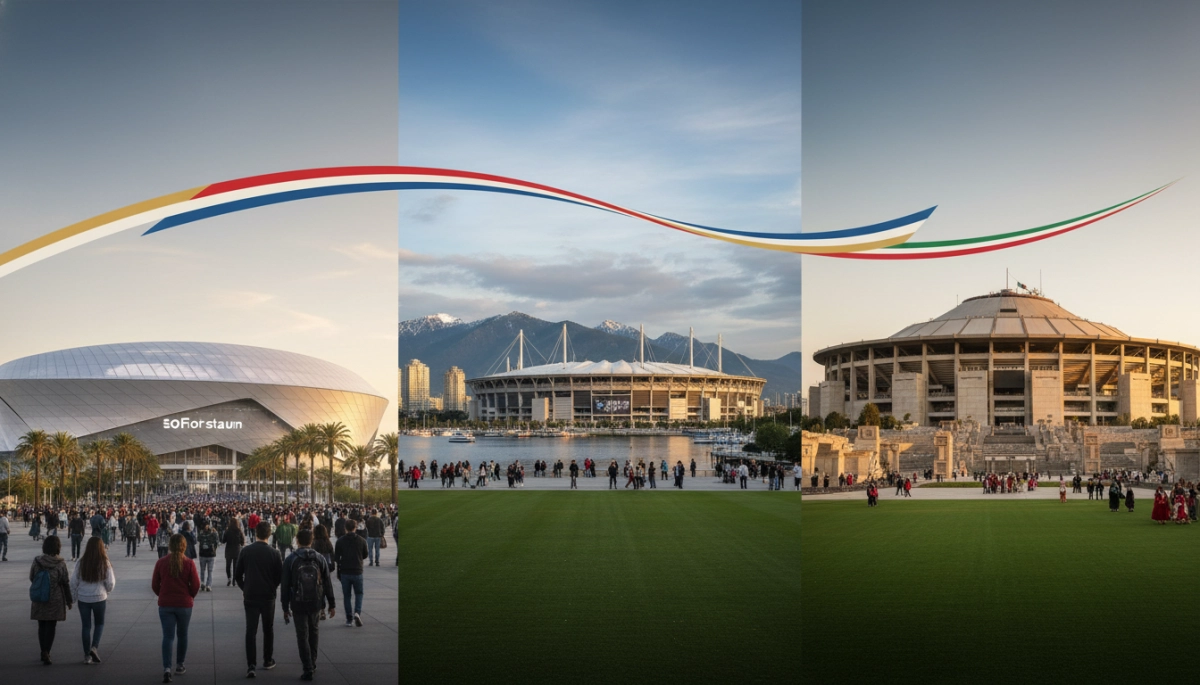
The 2026 FIFA World Cup will be held across three countries for the first time in modern tournament history. That setup affects everything you care about as a fan: where matches are played, how far you’ll travel between games, and the kinds of stadium atmospheres you’ll experience. You’ll find venues that range from massive NFL arenas in the United States to historic Azteca-style sites in Mexico and modern Canadian stadiums adapted for international soccer. Understanding the venue distribution early helps you plan tickets, travel, and which matchday experiences to prioritize.
How venues are distributed among the USA, Canada, and Mexico
The allocation of stadiums reflects population, infrastructure, and FIFA requirements. The United States hosts the majority of venues, Canada contributes several key cities, and Mexico offers both large-capacity icons and passionate local atmospheres. You should expect the following high-level pattern:
- USA: The largest share of stadiums, concentrating many knockout-stage-capable venues with capacities often above 60,000.
- Canada: Several stadiums in major metropolitan areas, chosen for modern facilities and fan accessibility.
- Mexico: Fewer venues but include historic and high-capacity stadiums with deep soccer traditions.
Because the USA supplies most of the host sites, many early- and mid-stage matches are scheduled in American cities. Canada and Mexico will host group-stage games and selected knockout matches, giving you a mix of North American stadium types and fan cultures to experience.
What the stadiums themselves mean for your matchday plans
When you evaluate venues, focus on three practical factors: capacity and sightlines, surface and configuration, and transport/accessibility. These affect ticket availability, viewing comfort, and travel logistics.
- Capacity and atmosphere: Many U.S. venues are large—NFL stadiums converted for soccer—so you’ll often find crowd sizes that create a festival feel. Mexican stadiums may offer denser, more vocal sections due to steeper stands and soccer-focused layouts.
- Pitch and seating configuration: Some stadiums are purpose-built for soccer, while others are adapted from other sports. That influences sightlines and how close you feel to the action.
- Transport and fan infrastructure: Look at public transit links, parking, and nearby accommodation. Major U.S. and Canadian host cities generally provide extensive transit options; in Mexico, some historic stadiums can present unique travel challenges on matchday.
Knowing these differences will help you prioritize which stadium experiences matter most—whether you want ear-splitting local passion, a tourist-friendly modern arena, or a high-profile knockout venue with maximum capacity.
Next, you’ll get a country-by-country breakdown of the confirmed stadiums, starting with the United States and a closer look at the cities and grounds selected to host World Cup 2026 matches.
United States: big stadiums, big logistics
The U.S. hosts the lion’s share of venues, and that scale shapes how you’ll plan. Expect converted NFL arenas and multi-purpose domes—MetLife in the New York/New Jersey area, SoFi in Los Angeles, AT&T Stadium in Dallas-Fort Worth, Mercedes‑Benz Stadium in Atlanta, Levi’s in the Bay Area, and others—most with capacities well above 60,000. Those sites are built for high attendance and media demand, which makes them ideal for group-stage clusters and the deeper knockout rounds.
For fans this means a few practical realities: ticket demand will be intense (especially for marquee matchups), matchday transit needs careful planning (many stadiums rely on park-and-ride, heavy rail or shuttle services), and seat quality varies between soccer-specific layouts and retrofitted bowl configurations. Travel distances are also a factor—cross-country flights between coasts are common if you chase multiple matches, and time-zone changes can affect scheduling and recovery. When choosing a U.S. match itinerary, weigh the draw of a big-name knockout venue against the extra time and cost of long-distance travel.
Canada: compact, modern soccer hubs
Canadian hosts are concentrated in major metropolitan centers known for accessible transit and soccer-friendly facilities: BMO Field in Toronto, BC Place in Vancouver, and Edmonton’s Commonwealth Stadium are the likely focal points. These stadiums are smaller than many U.S. mega-arenas but offer tighter sightlines and a more intimate soccer atmosphere—BMO Field, in particular, is soccer-specific and provides excellent proximity to the pitch.
From a planning perspective, Canada’s advantages are straightforward: strong public transit to downtown stadiums, a compact city layout that eases hotel-to-stadium logistics, and a fan environment well suited to both domestic and visiting supporters. However, remember international travel considerations—crossing the U.S.-Canada border requires valid travel documents and potentially extra time for customs, so build buffer days into itineraries that link Canadian and U.S. matches. Also, expect ticket allotments to be smaller per stadium, which raises the importance of early planning for highly sought games.
Mexico: history, altitude and electric atmospheres
Mexico brings a different flavor—fewer venues, but ones heavy on history and atmosphere. Estadio Azteca in Mexico City is the standout: colossal, iconic, and at high altitude, which can affect team performance and spectator comfort. Monterrey’s Estadio BBVA and Guadalajara’s Estadio Akron offer modern facilities and passionate regional followings, combining good sightlines with boisterous, soccer-first fan cultures.
Matchday logistics in Mexico tend to focus on navigating dense urban centers and anticipating fervent local support. Mexico City’s altitude and size mean you should plan extra time for transit and consider how elevation might impact players and fans (especially those planning to attend multiple matches across different altitudes). As with Canada, domestic flights are often the fastest way between host cities; schedule travel with time for security checks and local transit. Finally, embrace the local matchday rituals—chants, banners and a level of intensity that make Mexican venues must-see stops for any World Cup traveler.
Tickets, travel and timing
- Register early for official ticketing windows and beware high fees on resale platforms; set alerts for key sale dates.
- Book flights and hotels well in advance, and build buffer days around international travel to handle customs, time zones, and possible itinerary changes.
- Consider multi-city passes or regional travel hubs to reduce transit time—domestic flights will be the fastest way between many host cities.
- Purchase travel insurance that covers delays and cancellations, and keep digital and printed copies of important documents (passports, tickets, vaccination records if required).
Stadium access, comfort and local support
- Check stadium-specific policies (bags, prohibited items, entry gates) ahead of matchday to avoid delays at security checkpoints.
- Use public transit when possible—host cities have enhanced matchday services—and scout nearby amenities (food, restrooms, first aid) to make the experience smoother.
- Learn a few local phrases and customs; even small gestures go a long way with hosts and fellow fans in Canada, Mexico and the U.S.
- Look for official fan zones and community events in host cities to enjoy matches beyond the stadium and to meet other supporters.
Make the most of 2026
Whether you chase knockout drama in a U.S. mega-stadium, soak up the intimacy of a Canadian soccer ground, or dive into the electric traditions of Mexico’s venues, planning and flexibility will let you enjoy the tournament on your terms. Prioritize the matches and experiences that matter most to you, keep travel logistics realistic, and stay updated on official information and schedules. For authoritative updates, ticketing and host-city details, consult the FIFA World Cup 2026 official site.