World Cup 2026 Draw Results: Groups, Fixtures & Reaction

Why the 2026 World Cup draw matters to you
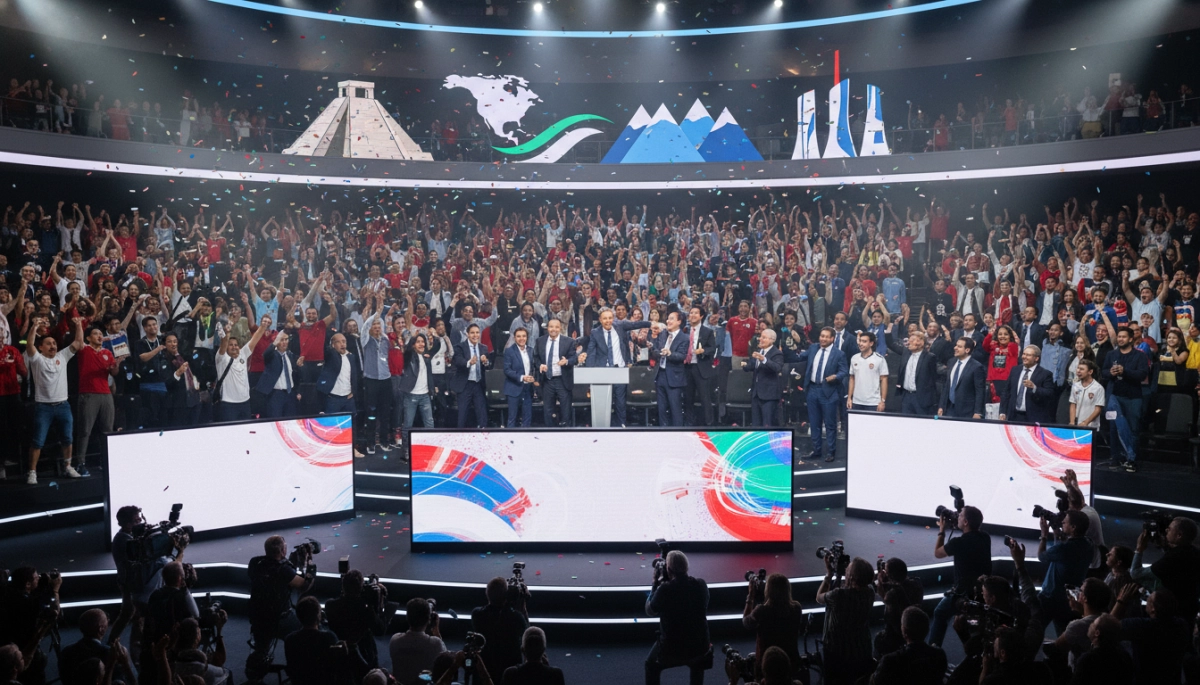
You’re watching a fundamentally different World Cup unfold. The 2026 tournament expands to 48 teams and relocates primary hosting duties across the USA, Canada and Mexico — changes that reshuffle competitive balance, travel logistics and how you follow every match. The draw is the moment the long lead‑up becomes concrete: it tells you who your team will face in the group phase, where they’ll play, and which matchdays will define qualification hopes.
Understanding the draw isn’t just for analysts. It helps you plan viewing parties, anticipate travel routes if you’re attending, and set realistic expectations for knockout progression. The mechanics of this expanded draw also determine scheduling constraints and competitive fairness, so the immediate headlines often focus on groups that look particularly stacked or unusually favorable.
How the draw format shapes groups, fixtures and fairness
Expanded field and group composition
With 48 teams, the tournament uses 16 groups of three teams each. From each group, the top two advance to create a 32‑team knockout bracket. Because each group contains only three matches (one match per team against the other two), every group game carries heightened importance — you have less room for mistakes than in a four‑team group.
- Seeding and pots: Teams are placed into pots based on FIFA rankings and regional considerations; hosts are typically seeded to ensure home matches and to distribute host nations across groups.
- Confederation rules: The draw enforces limits on how many teams from the same confederation can appear together, which affects potential matchups and perceived group difficulty.
- Knockout path: The draw fixes the Round of 32 matchups early, so group-stage outcomes immediately shape potential routes to the final.
Fixture timing, travel and competitive balance
You should pay attention to where group matches are assigned. Because games are hosted across multiple cities and time zones, travel and recovery become strategic factors, especially for teams and supporters moving between venues. The three‑team group structure also raises two practical issues:
- Rest and scheduling inequality: One team might play earlier or later than its rivals, creating different recovery windows between matches.
- Strategic dynamics in final group games: With fewer matches, the final group fixture often decides qualification, and there’s a greater chance of scenarios where teams can advance depending on a single result.
When you scan the full draw results, look beyond headline pairings. Check exact match dates and kickoff times for each group, note which venues are clustered geographically, and identify where simultaneous scheduling (used historically to discourage tactical match manipulation) is or isn’t possible.
These early details frame everything that follows: which groups become “groups of death,” which teams get favorable host scheduling, and where surprise qualifiers might emerge — and they set the agenda for immediate reaction from managers, players and pundits. In the next section, you’ll get a group‑by‑group breakdown of the draw results with the opening fixtures and the first wave of reactions from stakeholders.
Group-by-group roundup: opening fixtures and the matchups to circle
Rather than list every pairing (you can find the full table on the official site), here’s how to read the draw on a group‑by‑group basis and which opening fixtures will matter most for qualification psychology and fan planning.
Groups fall into three broad categories this time: heavyweight clusters with multiple former champions or top‑10 sides; balanced groups featuring one clear favourite and two competitive challengers; and host‑anchored groups where a home nation’s schedule and venue give an edge. For each group, the key early questions are the identity of the likely frontrunner, the head‑to‑head opener, and which fixture is scheduled last — that final match often becomes decisive because of the three‑team format.
- Opening fixtures that set the tone: The first match in a group frequently establishes momentum. If a top seed faces a strong outsider on Matchday 1, an upset immediately complicates the knockout picture. Conversely, a modest opener between two underdogs becomes a golden opportunity for an early points buffer.
- Timing and venue implications: Take note of which teams play back‑to‑back in distant stadiums. A group that places all fixtures in the same city benefits recovery; one that spreads matches across multiple time zones forces managers to juggle travel days and rotation.
- Last‑day dynamics: Because groups have only three fixtures, the last game can produce dramatic permutations — a draw might be enough to advance, or a particular goal margin could be decisive. Check whether the final group games are scheduled simultaneously; if not, the team playing later can tailor strategy knowing earlier results.
For spectators: prioritize the opening fixture for your team when buying tickets or scheduling watch parties. For neutral fans: identify groups with multiple marquee names early — those matchups are likely to carry extra broadcast slots and higher demand for in‑stadium tickets.
Immediate reaction: managers, players and pundits break it down
The first wave of responses after the draw split along predictable lines. Managers of seeded teams expressed relief at avoiding other heavyweights, while coaches whose sides landed in congested groups warned that “there are no easy games.” Players alternated between excitement for favourable travel templates and frustration at long flights or compressed rest between fixtures.
Pundits focused on three recurring themes. First, the potential for surprise qualifiers — smaller nations drawn against one powerhouse and one mid‑tier opponent can adopt pragmatic, defence‑first plans and try to steal points. Second, the host advantage: commentators dissected which host fixtures best protect home teams with shorter travel and favourable kickoff times. Third, the knockout road: analysis immediately mapped out which second‑round routes look most forgiving and which quarters might contain multiple heavyweights.
On social media and in fan forums the conversation split between celebration and concern — supporters of teams drawn with continental rivals were happy to avoid unfamiliar styles, while others debated whether their nation received a “group of death” label unfairly. Expect more pointed reaction once kickoffs, kick‑offs times and specific stadia for each fixture are published — those details often shift the narrative from abstract difficulty to concrete logistics and opportunity.
What happens next
With the groups confirmed, the calendar now tightens around a few concrete next steps that will shape how fans and teams prepare:
- Official match schedules and stadia assignments — check for exact dates, kick‑off times and which group matches are clustered by city.
- Ticketing phases and hospitality packages — priority sales windows for host‑nation supporters and travel groups will open in stages.
- Broadcast and streaming lineups — networks will lock in marquee fixtures and simultaneous slots, affecting viewing plans worldwide.
- Team preparations — coaches will finalize pre‑tournament friendlies, squad selection and travel logistics based on the draw and venues.
- Fan travel and safety planning — factor in travel distances, accommodation availability and local entry requirements across three host countries.
Final word
The draw has set dozens of storylines in motion — from potential upset bids to host‑nation advantages — and now the focus switches to scheduling details, ticketing and tactical preparation. Stay tuned to official updates for match times and venue confirmations; for the latest authoritative information, visit the FIFA World Cup 2026 official site. The groups are decided, but the tournament’s drama is only beginning — plan, pick your key fixtures, and get ready for a very different World Cup experience in 2026.