World Cup 2026 Fixtures Calendar: Printable Match Schedule
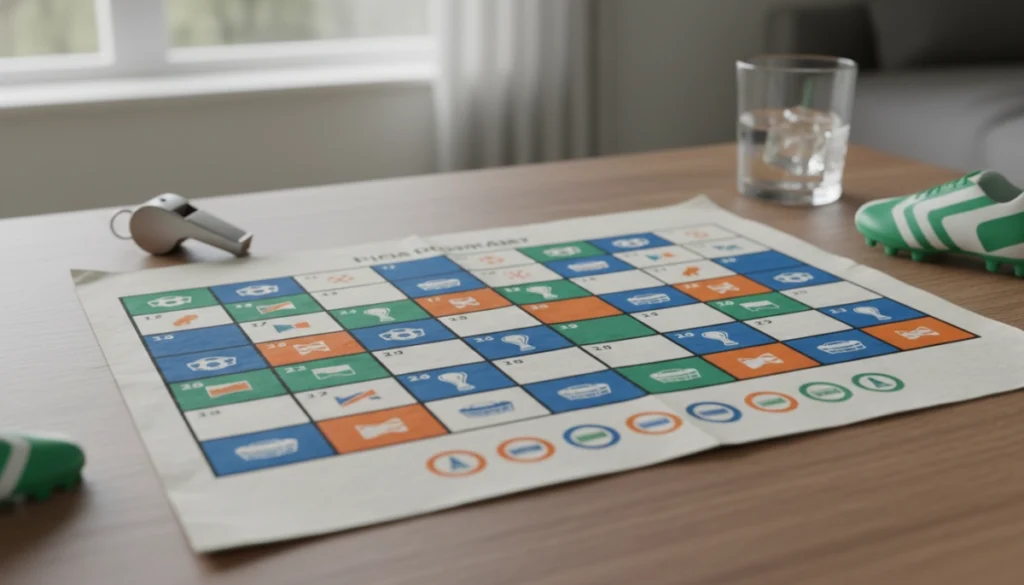
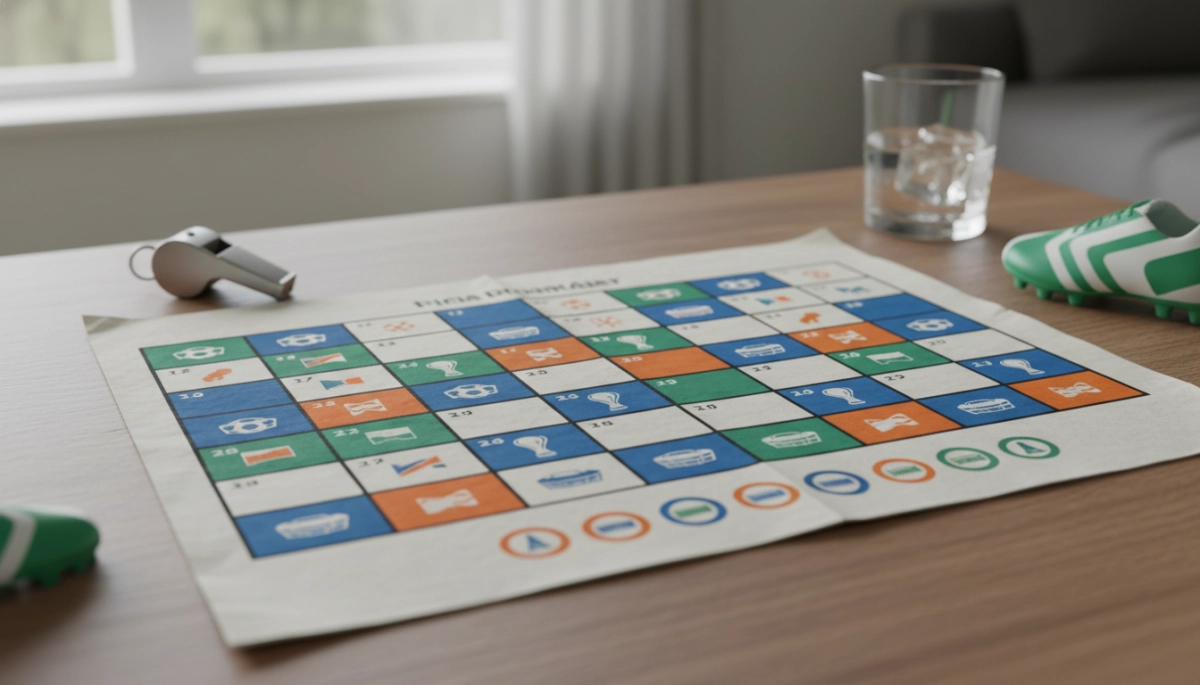
Plan Your World Cup 2026 Viewing with a Printable Fixtures Calendar
You’re about to follow the largest FIFA World Cup to date, played across multiple cities and time zones. A well-designed printable fixtures calendar helps you keep track of match dates, kick-off times, and venues without switching between websites or apps. In this part you’ll learn what to expect from the official schedule format, why a printable sheet is useful, and the simple steps to prepare a version that matches your viewing habits.
Why a printable schedule still matters in a digital age
Even if you rely on live alerts and streaming guides, a physical schedule adds clarity and reliability. You can:
- See an entire matchday at a glance, which is especially useful when multiple matches overlap.
- Pin fixtures to a wall, fridge, or office board so friends and family know where to gather.
- Highlight matches you don’t want to miss and annotate notes for travel, viewing parties, or recording.
- Keep a reference that won’t change with app updates, accidental notifications, or connectivity issues.
What the printable match schedule typically includes and how to read it
The fixtures calendar you’ll print should present clear, consistent information so you can plan ahead. Expect the schedule to list:
- Match date and day of week — important when matches span several weeks.
- Local kick-off time and the stadium or host city — useful for travel planning and determining local viewing windows.
- Teams playing, often with group or round identifiers (group stage, knockout round, etc.).
- Optional notes such as broadcast windows, rest days, or stadium capacity restrictions.
When you read the calendar, first confirm whether times are shown in local stadium time, a chosen time zone, or in Coordinated Universal Time (UTC). If you live in a different time zone than the host city, converting times before printing will prevent missed kick-offs.
Preparing to print: layout choices, paper size, and customization basics
Decide how much detail you want on each printed page. For a compact wall chart, use landscape orientation with multiple matches per row. If you prefer a pocket-sized reference, choose portrait layout and larger fonts. Standard tips include:
- Use A4 or Letter size depending on your region and where you’ll display the calendar.
- Print in color to differentiate groups or rounds, or use high-contrast black and white for easy photocopying.
- Include a small time zone legend if you’re printing times converted to your local zone.
- Add checkboxes beside each match so you can mark games you watched or recorded.
With these elements in place, you’ll be ready to produce a clean, usable fixtures calendar. Next, you’ll find the full printable fixtures layout and step-by-step instructions to convert it into PDF, sync matches with your digital calendar, and print copies for friends and family.
Printable fixtures layout: a ready-to-use template you can adapt
Use a simple, consistent grid so each match entry is scannable at a glance. A flexible layout works well for both single-matchday sheets and multi-week wall charts. Key columns and elements to include:
- Header row: tournament name (World Cup 2026), page range (e.g., Page 3 of 10), and the time zone used on the sheet (e.g., Times shown in ET).
- Date & day: full date and weekday (Mon 15 Jun) to avoid confusion when scanning quickly.
- Kick-off time (2 columns recommended): local stadium time and your chosen/display time zone. Use 24-hour or 12-hour consistently and label AM/PM if needed.
- Match pair: home/away or Team A vs Team B formatted in bold with optional country flags or two-letter country codes for compactness.
- Stage & venue: group/round label and stadium/city on one line beneath the teams in smaller type.
- Notes/checklist column: small boxes to tick for “Watched/Recorded” and a short field for broadcast channel or streaming link shorthand.
Layout variants to consider:
- Wall chart (landscape, A3 or A4): two to four match rows per page, larger font for readability across a room, color-coded group bands.
- Pocket schedule (portrait, A4 folded or Letter half): condensed rows, 10–12pt font, minimal venue info — ideal for on-the-go reference.
- Full tournament overview (multiple pages): one matchday per page or a week-at-a-glance format so overlapping kick-offs are visible together.
Design tips: keep margins at 0.5 in (12–15 mm) for printers, use a clean sans-serif font (e.g., Arial, Roboto) and set a clear hierarchy — header 14–16pt, match rows 10–12pt, subtext 8–9pt.
Step-by-step: convert the template to PDF, sync matches to digital calendars, and print
Follow these steps to turn your layout into a sharable PDF and synchronize fixtures with your devices.
- Create the schedule file: build the grid in Google Sheets, Excel, or a page layout app. Enter official fixtures and confirm kick-off times (note whether times are local).
- Apply time-zone conversion: add a formula column to convert local stadium times to your time zone (Google Sheets: use TIME and DATE with the known offset, or use the new TZ functions where available). Double-check around daylight-saving transitions.
- Set print area and export: adjust page breaks, set page size (A4/Letter) and orientation, preview on-screen, then export to PDF. Use “Fit to page” only if it doesn’t reduce legibility.
- Sync to digital calendars:
- Export fixtures as CSV (date/time, title, location, description). Most calendar apps (Google Calendar, Outlook, Apple Calendar) accept CSV or iCal (.ics).
- Import the CSV/ICS into a dedicated “World Cup 2026” calendar so you can toggle visibility and assign colors/notifications.
- Set event reminders (e.g., 30 minutes before) and add streaming/broadcast links in the event description.
- Print settings and bulk copies: choose high-quality print mode for color charts, select double-sided if creating booklets, and print a test page to verify alignment. Consider lamination for a reusable wall chart.
Share, personalize, and distribute your printed schedules
Once you have a PDF and synced calendar, it’s easy to distribute tailored copies for different groups:
- Personalized versions: create copies with highlighted matches for a country, coach’s notes, or watch-party times. Add checkboxes and a small notes area for travel or recording instructions.
- Event handouts: make single-sheet pocket schedules for guests, or produce a larger poster for communal viewing areas. Print in batches or use a local print shop for larger runs.
- Accessibility and language: offer high-contrast or large-print versions and, if needed, translate key labels for multilingual groups.
With a clear template, synced calendars, and a few printed copies, you’ll be ready to follow every match of World Cup 2026 with minimal fuss and maximum enjoyment.
Ready to Print and Enjoy
Before you print your fixtures calendar, double-check official sources for any schedule updates and local kick-off confirmations. For the most reliable, up-to-date match listings, consult the FIFA World Cup 2026 schedule.
Final tips
- Confirm the time zone shown on your sheet and, if needed, add a conversion legend for household members in other zones.
- Print a single test page to verify fonts, margins, and legibility before running multiple copies.
- Consider laminating a wall chart for reuse and quick note-taking with a dry-erase marker.
- Sync a digital copy to your calendar and set reminders so you never miss a kick-off.
- Share personalized pocket schedules with friends and family so everyone knows when to gather for the big matches.
With a clean printable layout, a synced calendar, and a couple of printed copies for the group, you’ll be set to make the most of every moment of World Cup 2026. Enjoy the games!