World Cup 2026 Ticket Release Dates & Tips for Buying
What to expect from World Cup 2026 ticketing patterns
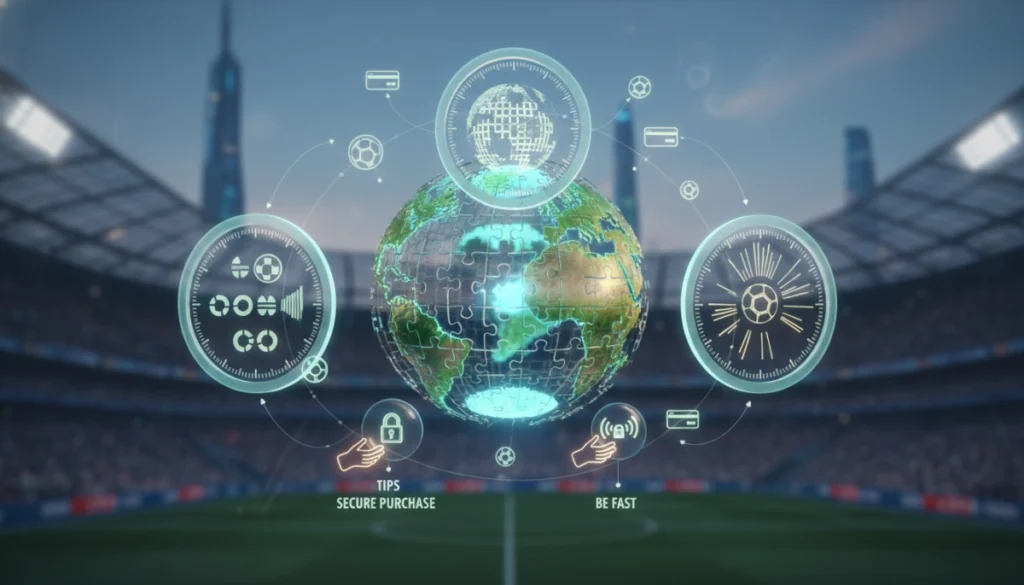
When you prepare to buy World Cup 2026 tickets, understanding how FIFA stages its sales is the first advantage. FIFA and the local organizing committees normally run multiple ticketing phases rather than a single release day. That means some tickets are allocated through application windows or lotteries, others are first-come, first-served sales, and a controlled resale platform is opened later for returned or transferred tickets.
For a tournament hosted across three countries (USA, Canada, Mexico), expect extra complexity: stadium capacities vary, some cities will host marquee matches, and local allocation rules (national priority sales, hospitality packages) will influence availability. You should treat the ticketing process as a multi-step project: register early, verify your account, plan preferred match lists, and set payment methods in advance.
Why registration and account setup matters
Most FIFA ticket releases require you to have an account and to register or apply before tickets go on sale. Registration windows can open months ahead of public sales and are often required for participation in a lottery phase. Completing your profile early reduces friction when the sales windows open and ensures you receive official communications about release dates and any updates.
Early ticket release phases and how to prepare
FIFA typically divides sales into phases. Knowing these phases helps you prioritize actions and choose the right strategy for the matches you want.
- Application/Lottery phase: You apply for tickets to specific matches or match packages. If demand exceeds supply, tickets are allocated by random draw. You should list multiple match options and be flexible on dates/venues.
- First-come, first-served phase: Remaining tickets are sold in real-time—acting quickly with pre-filled payment details is crucial here.
- Team-specific and venue allocations: Host federations sometimes reserve allocations for their home fans, which affects availability for neutral supporters. If you follow a particular team, track team sale windows.
- Hospitality and travel packages: These often go on sale separately and can be easier to buy but cost significantly more; they include premium seats and bundled services.
- Official resale: After initial sales, an official resale platform opens for secure transfers—this is safer than third-party marketplaces but inventory may be limited and prices can be higher.
Practical preparation checklist
- Create and verify your FIFA ticketing account now; enable two-factor authentication if offered.
- Have multiple match preferences and alternate dates to increase your allocation odds.
- Store a secure, ready-to-use payment method and ensure your billing address matches your card details.
- Research venue capacities and which cities host high-demand matches (openers, host nation games, knockout rounds).
- Bookmark official ticketing pages and subscribe to alerts from FIFA and the local organizing committees.
Now that you understand the typical phases and have a checklist to prepare, the next section will walk through likely release windows, realistic timelines to watch for, and concrete tactics to increase your chances when sales go live.
Anticipated release windows and realistic timelines to monitor
FIFA typically staggers ticket releases over a period of months and sometimes years leading up to the tournament. Expect at least three broad waves: an early application/lottery window, one or more first-come, first-served drops, and a controlled resale period closer to the event. For World Cup 2026 you should watch the months and quarters ahead of the tournament rather than a single launch day—major announcements (registration openings, ticket draw results, and sale dates) can arrive in advance through FIFA and host federation communications.
Practical timing cues to watch for:
- Registration/application windows: often open many months before tickets are allocated. Apply to as many matches or match groups as reasonable.
- First-come, first-served phases: these are commonly scheduled after the lottery results are announced; they may occur in multiple tranches with limited inventory released each time.
- Team/host sales: national federations may run their own priority sales tied to team qualification—keep an eye on federation websites and mailing lists.
- Official resale and last-minute drops: these usually arrive closer to the tournament (weeks to days out) when returned tickets are released or when hospitality inventory changes.
Set calendar reminders for registration deadlines, expected sale windows, and any announcement events (FIFA press releases or local organizing committee updates). Time zone differences across the USA, Canada and Mexico mean sale start times can come at odd hours—confirm the exact local and UTC times for each sale.
Tactics to increase your chances during live sales
When tickets move from a queue to a live checkout, speed and preparation make the difference. Treat live sales like a coordinated operation:
- Use multiple devices/browsers: have two or three browsers or devices ready (desktop + phone). Log into your FIFA account on each and be ready to refresh at the sale time.
- Optimize connectivity: use a wired Ethernet connection if possible and close bandwidth-heavy apps. Wifi can work but is less reliable during high-traffic moments.
- Pre-fill payment details and billing info: use browser autofill or saved payment methods in your FIFA profile. Confirm the billing address matches the card to avoid declines.
- Choose seat categories, not specific seats initially: select preferred categories (price band, stand) to move through checkout faster; refine later if allowed.
- Stay flexible on matches and dates: have second and third choices pre-selected so you don’t waste time when your top pick sells out.
- Plan for cart timeouts: add items to your cart quickly and be prepared to retry; if a session drops, switch to another device rather than repeatedly refreshing the same one.
- Use official apps and verified links only: bookmark the official FIFA ticket page and the host federations’ ticket portals to avoid phishing redirects or scams.
Official resale, backups and common pitfalls to avoid
If you miss the initial phases, the official resale platform is the safest fallback. Resale inventory is limited and prices may be higher, but transactions come with transfer guarantees and venue entry validation. Monitor resale drops closely—these often happen in the weeks leading up to the event as returned tickets and hospitality changes are processed.
Backup options to consider:
- Hospitality or travel packages coordinated by accredited sellers—costlier but more reliable.
- National federation allocations and member channels—if you support a particular team, federation sales can include prioritized access.
- Reputable tour operators bundled with tickets and travel—helpful if you prefer an all-in package.
Common pitfalls: buying from secondary marketplaces with no official transfer mechanism, ignoring ID or entry requirements (many venues check ticket-holder identity), and waiting until the last minute without a verified backup payment method. Always verify ticket transfer rules and delivery method (digital wallet, mobile barcode, or physical pick-up) before purchasing so you don’t get stranded at the stadium gates.
Match-day logistics and on-site tips
A few final practical checks can make match day smooth and stress-free. Run through this short list before you travel to a venue.
- Have your digital ticket(s) ready on your phone or the approved app and confirm any required credential (ID, photo matches) ahead of time.
- Check the venue’s bag and security policy—many stadia restrict bag size or require clear bags.
- Plan arrival time and transport: expect heavy traffic and security queues for high-profile matches, so arrive earlier than you normally would.
- Keep copies of purchase confirmations and resale transfer receipts accessible in case venue staff need to verify authenticity.
- Dress for the weather and review stadium food/water policies; small personal items like a portable charger and a reusable water bottle (if allowed) help the day go smoother.
Final preparations and next steps
Stay ready: keep your account details current, set calendar reminders for sale windows, and monitor official channels so you won’t miss drops or resale opportunities. When purchasing, use only verified platforms to protect your money and access. For official sale dates and ticketing procedures, check the FIFA ticket portal: FIFA Tickets.
With preparation, flexibility, and attention to official updates, you’ll maximize your chances of securing the tickets you want—and enjoy the tournament experience when match day arrives. Safe travels and enjoy the games.