World Cup 2026 Stadiums: Capacity, Location & Fan Info
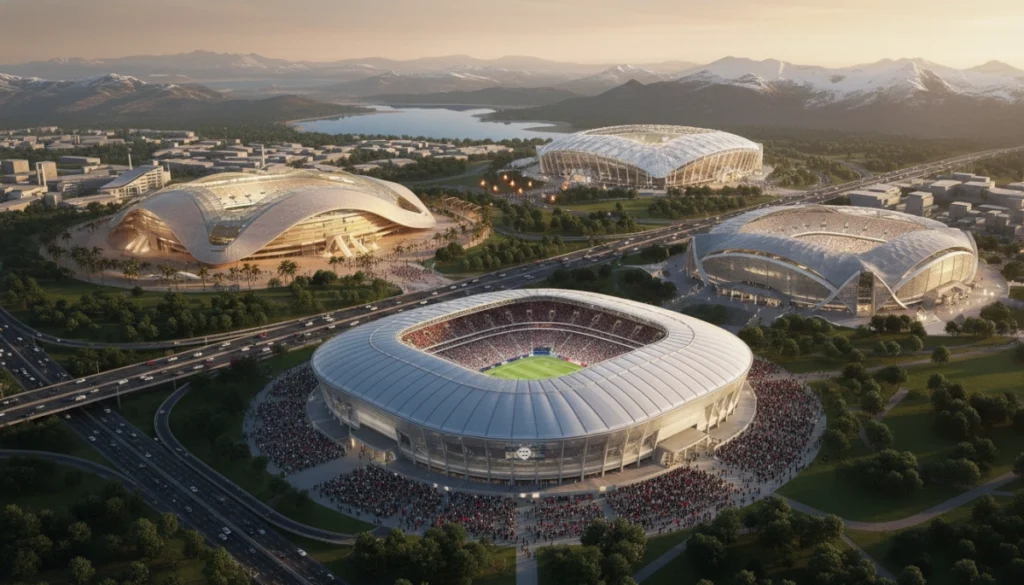
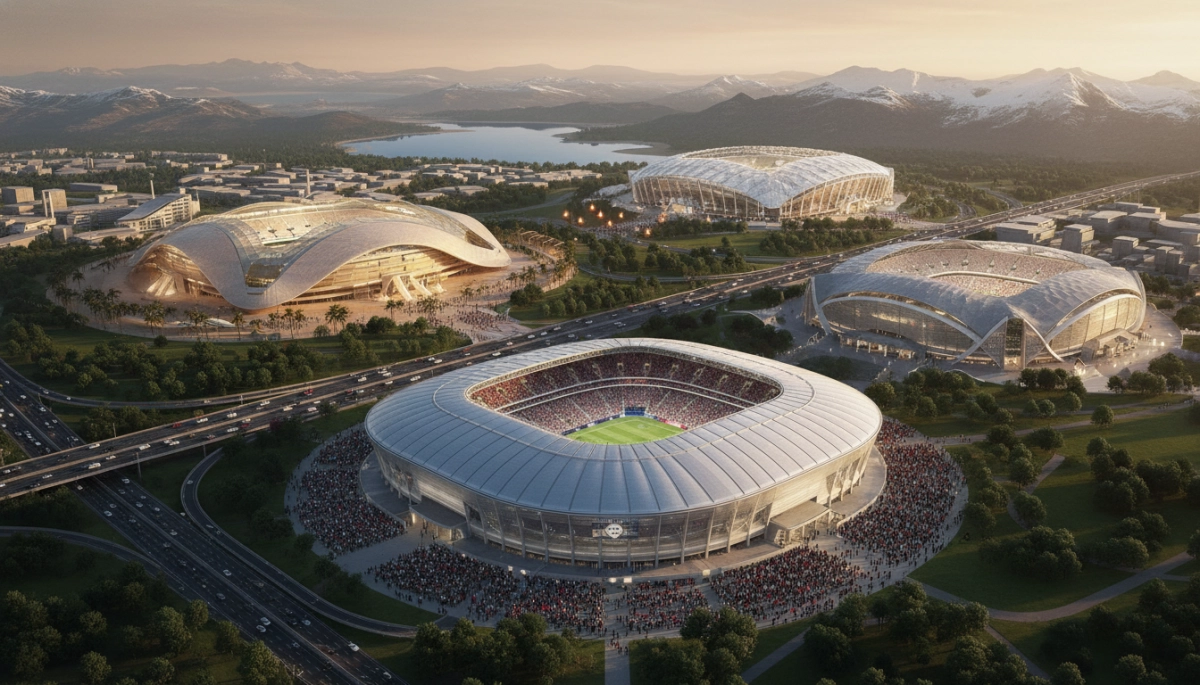
How the 2026 World Cup stadium map affects your match plans
You’re looking at the first 48-team World Cup, spread across three countries: the United States, Canada and Mexico. That multi-nation footprint changes everything about travel, match scheduling and the types of venues you’ll visit. Rather than a compact tournament where fans base themselves in one city, you’ll likely move between regions, cope with longer transit times and experience a wider variety of stadium sizes and layouts.
For planning purposes, treat the tournament as a mix of large-capacity NFL and MLS venues plus several renovated soccer- and multi-purpose stadiums. That influences ticket availability, sightlines, hospitality options and local transport access — all of which you’ll want to consider before you buy tickets or book accommodation.
Where the stadiums are and what their capacities mean for you
The 2026 venues are concentrated in major metropolitan areas across three countries, so you’ll find a spectrum of stadium types and seating capacities. Knowing the likely crowd size helps you anticipate ticket demand, noise levels and the availability of general-admission vs. assigned seating.
- Capacity ranges: Expect stadiums from roughly 40,000 up to near 90,000 seats. Smaller venues (40k–50k) offer more intimate atmospheres and often better close-up sightlines; larger venues (70k–90k) create massive, festival-style experiences but can dilute the close-quarters soccer feel.
- Examples to note:
- Iconic large venues in the U.S. — typically NFL stadiums — will host high-profile matches and have very high capacities and extensive hospitality areas.
- Canadian and Mexican host stadiums include renovated national venues and soccer-specific grounds that balance capacity with soccer-first sightlines.
- Seating types: You’ll encounter a mix of numbered seats, corporate boxes, and general admission sections. If you value proximity to the pitch, look for soccer-specific or renovated stadiums; if you want the atmosphere of a roaring crowd, larger multi-purpose stadiums will deliver.
What capacity implies for tickets, prices and atmosphere
When a stadium holds 70,000+ fans, ticket demand for marquee matches skyrockets and resale prices can spike. Conversely, 40k–50k stadiums may feel more accessible and vocal but sell out fast for important fixtures. Consider these practical takeaways:
- Higher capacity = more tickets overall, but also more international demand, which can push prices up.
- Smaller capacity = louder, more intense fan experience; prioritize these if atmosphere matters most to you.
- Corporate and hospitality areas mean premium options; if you want comfort and amenities, budget accordingly early.
Now that you understand the distribution and what stadium size means for your match-day experience, the next section will walk you through city-by-city stadium details, exact capacities and the practical travel and transit tips you’ll need to get to each match.
Selected host stadiums — capacities and what the seating feels like
Below are several high-profile venues you’ll likely plan around, with their commonly cited capacities and a quick note on what to expect from sightlines, ticketing and atmosphere. Capacities are the stadiums’ standard seating figures (some venues can expand for special events).
– MetLife Stadium, East Rutherford — ~82,500 seats. A true NFL bowl: steep upper decks, wide concourses and many corporate sections. Expect long entry lines for big matches and excellent hospitality options; sightlines from lower bowl seats are generally the best soccer experience here.
– Rose Bowl, Pasadena — ~88,500 seats. Historic and enormous, the Rose Bowl delivers a festival vibe. Rows are long and the pitch can feel distant from high seats; for proximity, aim for lower-level or reserved sideline tickets.
– SoFi Stadium, Inglewood — ~70,000 (base capacity; expandable). Ultra-modern with premium clubs and a tightly configured bowl. Sightlines are strong throughout; tech-forward amenities speed up food and cashless purchases but expect premium pricing.
– AT&T Stadium, Arlington — ~80,000 (expandable). Very large, retractable roof and massive video boards. The space creates a big-event atmosphere; lower sideline sections give the most authentic soccer feel, while upper decks are better for fans chasing the spectacle.
– Estadio Azteca, Mexico City — ~87,000. Iconic, intense and notoriously loud. Steeper stands and a passionate crowd produce a classic soccer atmosphere; be prepared for dense, vocal sections and strong local customs toward chants and tifos.
– BMO Field, Toronto — ~30,000 (planned temporary expansion for major tournaments). A soccer-specific venue with intimate sightlines and the kind of fan proximity many purists prefer. Smaller capacity means fast sellouts for big matches.
– BC Place, Vancouver — ~54,500. A mid-to-large dome with good sightlines and compact lower tiers. Generally easy access to public transit and a balance between crowd noise and visibility.
Use these capacity cues when choosing tickets: larger stadiums give you more options but may slice up the crowd; smaller venues prioritize proximity and intimacy but sell out quickly.
City-specific travel, transit and match-day logistics
Match-day success is less about the stadium seat and more about how you get there and back. Practical tips for major host-city types:
– Mega-metropolitan hubs (New York metro, Los Angeles, Dallas, Mexico City): Airports are major and frequent, but city traffic can double journey times on match days. Book accommodation near a reliable transit line or within walking distance of the stadium if you want to avoid road congestion. Allow 2–3 hours buffer for international arrivals and stadium security queues.
– Transit-friendly cities (Toronto, Vancouver, many U.S. host cities with light rail): Buy day passes in advance and aim for off-peak arrivals. Trains and trams will be your fastest option; organizers often run extra services before and after matches, so check schedules and station exit plans — some stadiums funnel thousands through a single gateway.
– Car-centric venues (suburban NFL stadiums): Parking will be plentiful but expensive and early; pre-book official lots when possible. Rideshare pick-up/drop-off zones are typically set away from main entrances — factor in a 10–20 minute walk after drop-off. Post-match traffic can back up for over an hour.
– International travel across borders: If you plan to attend matches in the U.S., Canada and Mexico, double-check visa and entry requirements well in advance. Border crossings and flights add time; cluster matches regionally to minimize back-and-forth.
– Match-day policies: Expect strict bag rules, security screenings and some stadiums banning professional cameras or large banners. Check each stadium’s official site before you pack. Bring a compact clear bag if you want to move quickly through entry lines.
– First-time fans: Arrive at least 60–90 minutes early to soak up fan zones, pick up tickets (if using will-call), and secure food/drink before long lines form. After the final whistle, pause 10–15 minutes to let the initial exodus clear; immediate exits can mean long waits for transit or rideshares.
Planning tip: map your stadium’s nearest transit stop, the official taxi/rideshare zone and one alternate route. That preparation will save time and stress when you’re navigating match-day crowds across three countries.
Final tips for fans on the move
Traveling between cities and countries for the 2026 World Cup will be part logistics exercise and part adventure. Stay flexible, build time buffers into your plans, and rely on official sources for last-minute changes — for schedules, stadium policies and travel advisories consult the FIFA official site. Above all, prioritize safety and comfort so you can focus on the matches and the moments that make the tournament memorable.
Before you go
- Verify tickets only through official sellers or accredited resellers to avoid scams.
- Confirm passport validity, visa requirements and any entry restrictions for the U.S., Canada and Mexico.
- Book accommodation near reliable transit links or within easy walking distance of the stadium when possible.
- Check each stadium’s bag, camera and prohibited-items policy before packing.
- Purchase travel insurance that covers trip disruption and medical needs across borders.
Match-day essentials
- Arrive early to enjoy fan zones, clear security, and secure good concessions without rush.
- Map one primary and one alternate route to and from the stadium (public transit, taxi zone, parking lot).
- Carry a compact clear bag, a charged phone, and a small emergency plan with meeting points if you’re in a group.
- Respect local customs and fellow fans — enthusiasm is welcome, but safety and courtesy keep the experience positive for everyone.