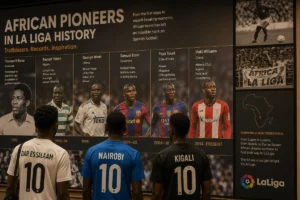
La Liga history and records tied to African players — pioneers, landmark seasons and early milestones
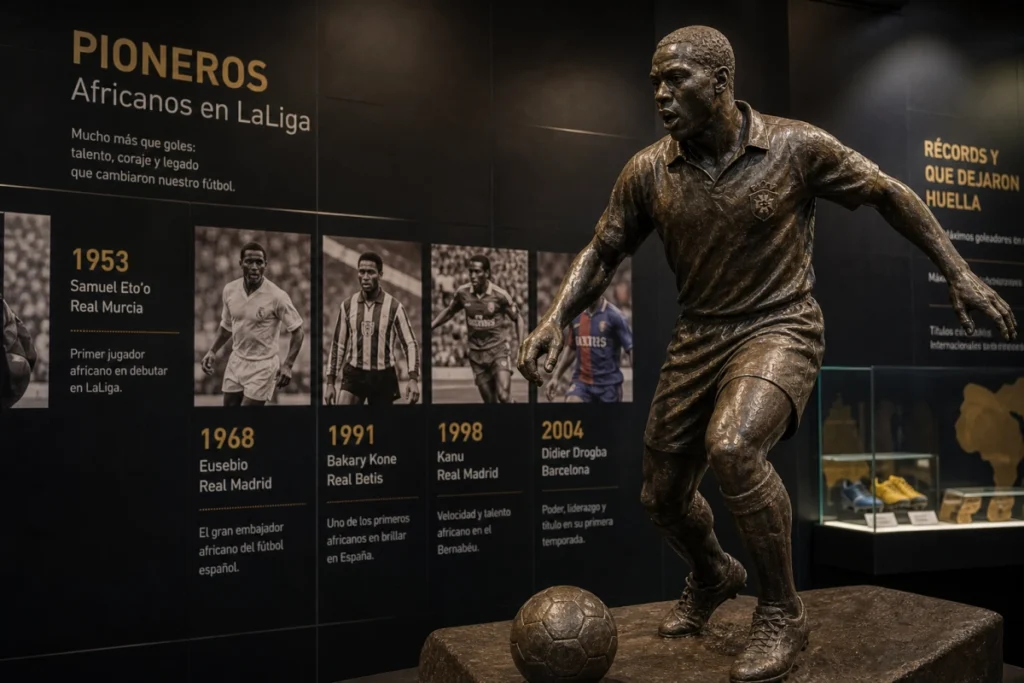
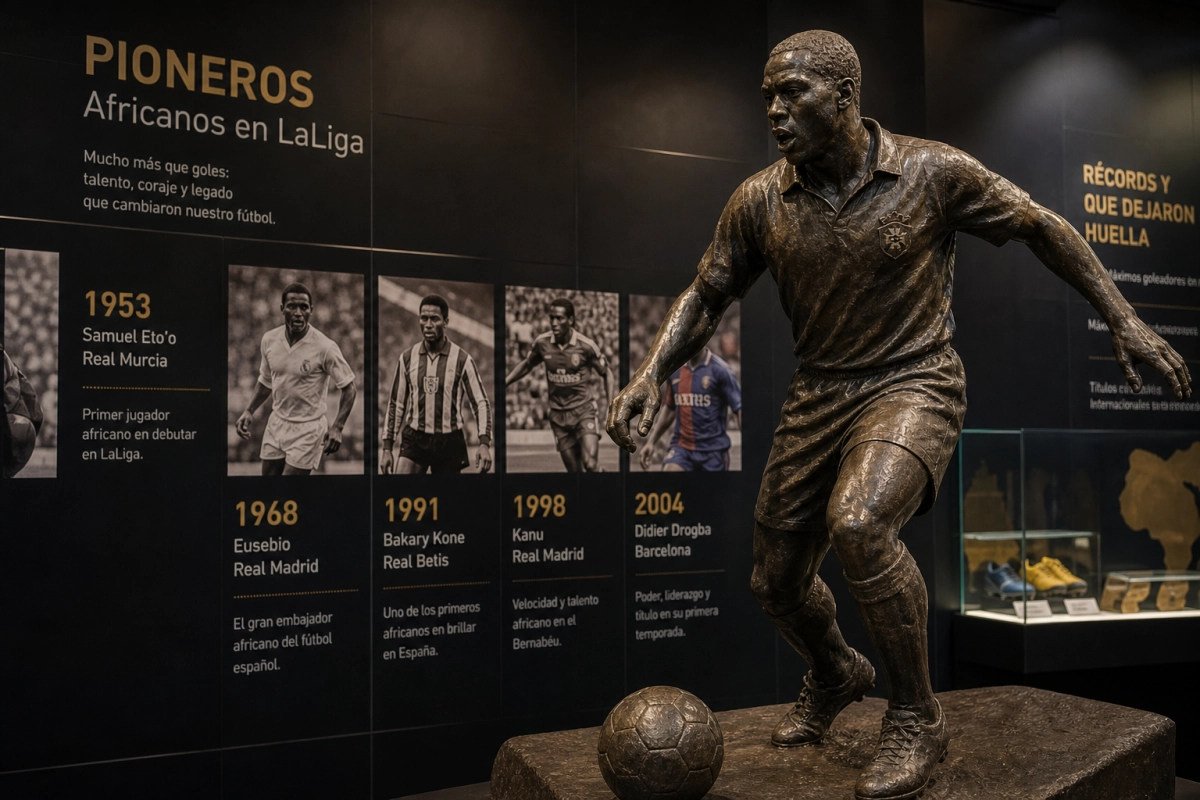
African influence in La Liga: what this guide covers
This guide to La Liga history and records focuses on African players and milestones. Readers in Tanzania and across East Africa will learn who the early pioneers were, which seasons marked turning points, and how those developments shaped player pathways from Africa into Spain. Part 1 sets the scene with early milestones and the first wave of African impact in Spanish top-flight football.
Early African pioneers who changed the Spanish game
La Liga’s connection with African football stretches back farther than many fans realise. North African talent arrived in Spain in the mid-20th century and created the first clear evidence that African players could compete at the highest level in Europe.
Larbi Ben Barek: the first African star in post-war La Liga
Morocco’s Larbi Ben Barek is widely remembered as La Liga’s first standout African figure. Playing for Atlético Madrid across the late 1940s and early 1950s, Ben Barek earned continental acclaim for his skill and creativity. He was nicknamed the “Black Pearl” and became a reference point for clubs and young players across Africa who aspired to Europe’s top leagues.
Gradual growth from North Africa to sub-Saharan Africa
After Ben Barek, the flow of players from North Africa continued, while sub-Saharan African representation in La Liga grew more noticeably from the 1980s and then sharply in the 1990s and 2000s. The change came from improved scouting, more frequent club transfers, and European clubs turning to African talent as a source of pace, athleticism and technical variety.
Landmark seasons and early records that signposted a shift
Several seasons and player moves signalled that African players were moving from isolated stars to a steady presence in Spanish football. These milestones did not only produce headlines — they changed how clubs recruited and developed talent.
- Breakthrough seasons: The late 1990s saw more Africans establish themselves in top squads. Players who arrived in that period often used La Liga as a platform to showcase their ability before moving to bigger clubs or winning major European trophies.
- Club firsts: Several Spanish clubs recorded notable “firsts” — first African goal scorers, first African starters in key cup finals, and first African players to captain their teams — milestones that confirmed African players were integral, not peripheral.
- European success and recognition: When African players helped Spanish clubs win Champions League and UEFA Cup titles in the 2000s, it reinforced the idea that recruiting from Africa could deliver tangible success on the biggest stages.
Examples such as Samuel Eto’o (Cameroon), who rose through Mallorca before starring for Barcelona, and Frédéric Kanouté (Mali), who became a key figure at Sevilla during their UEFA Cup-winning period, illustrate how individual seasons and transfers created lasting pathways from African football into La Liga squads.
Part 2 will examine the concrete La Liga history and records — top goal scorers, assist providers and appearance leaders among African internationals — and explain how those statistics shaped club strategies and player development across Spain.
Top goalscorers and landmark scoring records by African internationals
When discussing La Liga scoring records tied to African players, one name consistently heads the conversation: Samuel Eto’o. His breakthrough seasons at Mallorca and his trophy-laden years at Barcelona established a clear benchmark for what an African forward could achieve in Spain’s top flight. Eto’o combined clinical finishing with intelligent movement, and his regular goal returns helped change the perception of African strikers from occasional imports to potential leading scorers for elite clubs.
Beyond Eto’o, several other forwards left unmistakable marks on the scoring charts in their spells in Spain. Frédéric Kanouté’s time at Sevilla coincided with the club’s most successful continental run in the 2000s, and his goals in La Liga and cup competitions made him a central figure in a team that demonstrated how African scorers could be both reliable and decisive in key matches. Similarly, players who joined smaller clubs — using La Liga as a springboard — highlighted a pattern: clubs outside the very top often found value by recruiting African forwards who combined athleticism with technical maturity, and those goals helped these teams punch above their weight.
Important scoring records are not only about totals. They include landmark firsts that shifted club and fan expectations: first African to score in particular derbies or cup finals, first to reach double-digit league goals for mid-table clubs, and crucial late-season goals that preserved top-flight status or qualified teams for Europe. Those moments created tangible narratives for scouts and sporting directors. Where clubs had once hesitated, a string of high-profile scoring performances from African players encouraged more proactive recruitment and stronger scouting ties with African countries.
Appearances, assists and the tactical value African players brought to La Liga
Appearances and assists paint a complementary picture to the headline-grabbing goal records. Longevity in La Liga — sustained seasons of starts, minutes and influence — demonstrated that African players could adapt to Spanish tactical and technical demands over time. Players who accumulated many appearances showed Spanish clubs that African recruits could fit into a possession-oriented league, not just succeed through raw athleticism.
Assists are an underrated part of the African influence. While some Africans arrived as out-and-out finishers, others offered creativity from wide areas or from advanced midfield roles, providing the chance-creation that underpins sustained team success. Those assist contributions made clubs more open to signing African midfielders and wingers who could deliver the final pass as reliably as they could offer athletic intensity.
The tactical lesson for Spanish clubs was clear: African players added versatility. Managers integrated pacy wingers to stretch defences, mobile strikers to exploit counterattacks, and robust midfielders to balance technique with physicality. The statistical evidence — regular appearances, consistent assist numbers and match-winning contributions — encouraged long-term scouting investments, youth partnerships and the occasional transfer fee that reflected a player’s proven La Liga adaptability rather than speculative potential alone.
In short, goals, assists and consistent appearances by African internationals did more than fill score sheets: they altered recruitment logic. Clubs began to see African talent as a durable pipeline, one that could supply both immediate impact and longer-term squad depth, reshaping Spanish football’s approach to scouting, development and cross-continental relationships.
Legacy and future pathways
The story of African players in La Liga is a continuing one: records and landmark moments have opened routes, but the long-term legacy depends on sustained infrastructure, fair opportunity and reciprocal partnerships between clubs and African football systems. Rather than resting on past milestones, the focus now shifts to building durable pathways that support talent from discovery through professional maturation and life after football.
A call for sustained partnership
Clubs, federations and development programmes must align scouting, coaching and welfare to ensure young players make the transition to Spain with clear support. This means investment in local academies, education on dual-nationality choices, transparent transfer practices, and post-career planning that respects players’ rights and ambitions.
What this means for players, clubs and supporters
- For players: continued professional development, cultural adaptation support and role models make top-level Spanish football an achievable, sustainable career path.
- For clubs: long-term scouting and partnership models reduce risk, deepen talent pools, and create social as well as sporting returns when done ethically.
- For supporters: embracing diverse backgrounds and celebrating milestones fosters a richer football culture and a clearer appreciation for how international talent shapes domestic leagues.
Final reflections
Records and firsts are important markers, but their true value is measured by the systems they inspire. When milestones translate into better training, fairer pathways and stronger ties between Spain and African football, the influence of African players on La Liga will be measured not only in goals and appearances but in opportunity, representation and lasting collaboration.