World Cup 2026: Key Dates, Format and What East African Fans Must Know
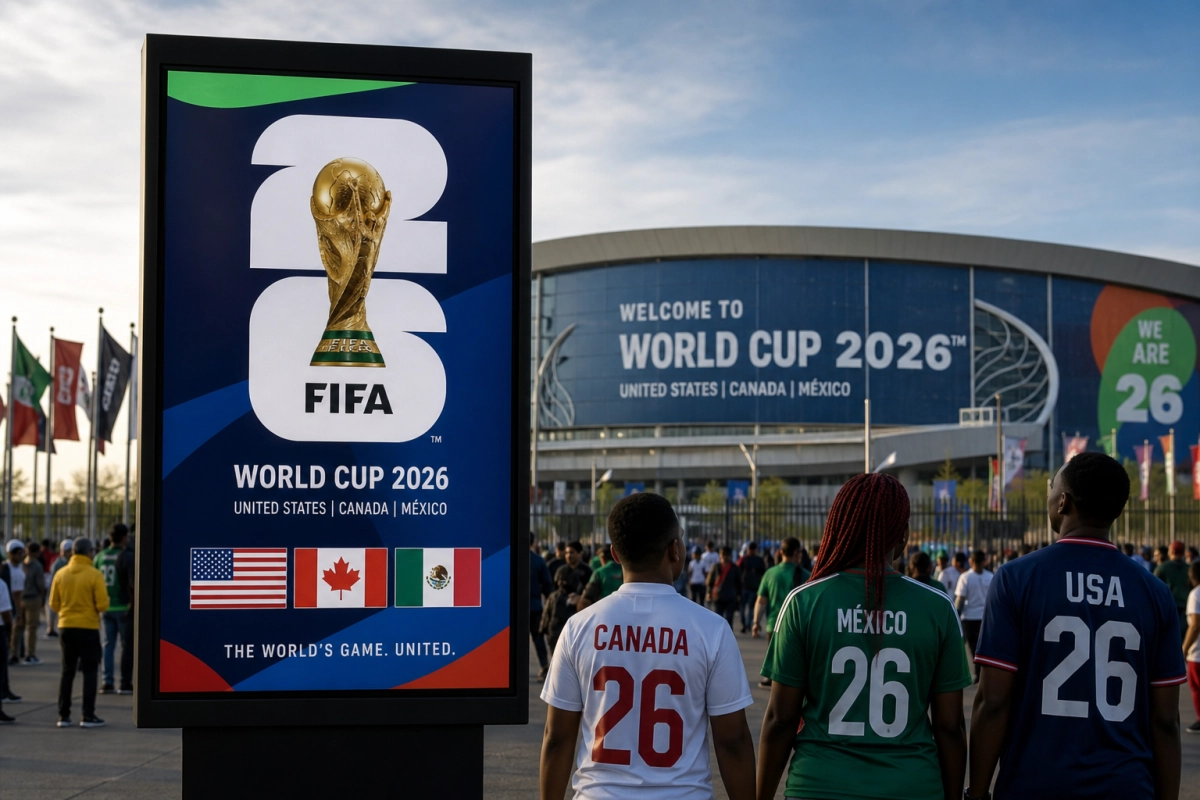
World Cup 2026: What East African fans need to know first
This guide explains the confirmed World Cup dates, the approved 48-team format, and the immediate implications for fans across Tanzania and East Africa. Read on to learn the tournament’s schedule basics, how match times will fit East Africa Time (EAT), what to expect from broadcasters and which regional teams and players to follow as qualifiers progress.
Confirmed schedule and tournament format
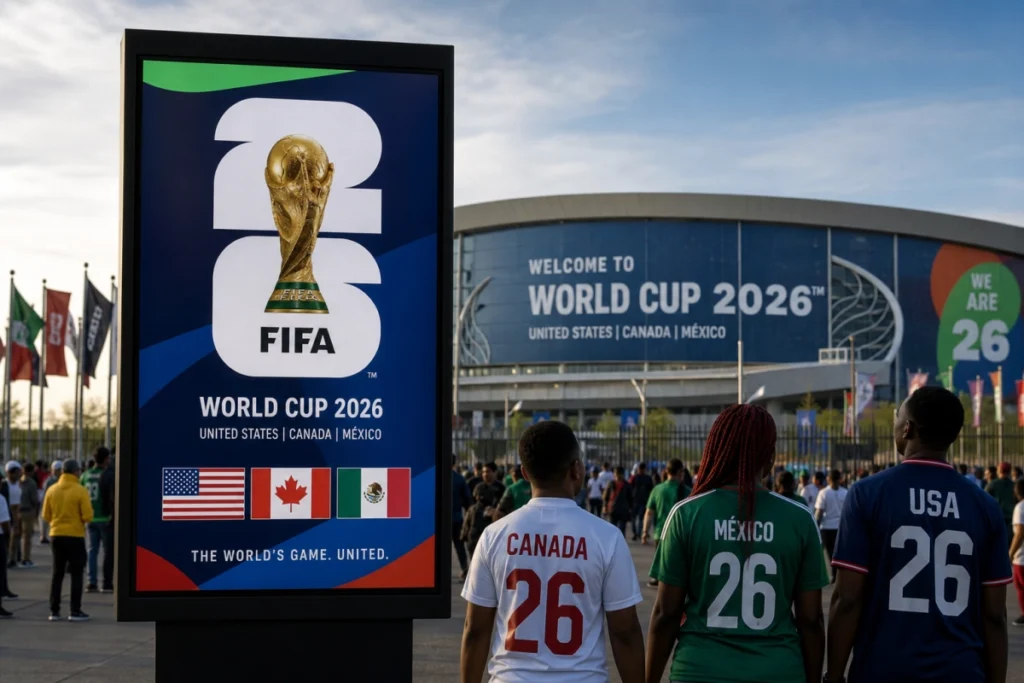
FIFA has confirmed the main dates and structure for the World Cup 2026:
- Tournament window: 11 June – 19 July 2026 (opening match on 11 June, final on 19 July).
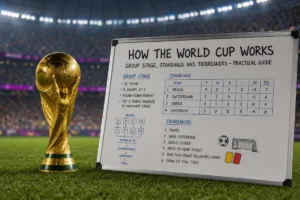
- Expanded format: 48 teams, arranged in 16 groups of three; the top two teams from each group advance to a round of 32 knockout stage.
- Hosts: Matches will be staged across cities in the United States, Canada and Mexico, creating multiple time zones to consider when planning viewing.
Because of the 48-team layout, the group stage will be denser than previous tournaments and includes an extra knockout round. Expect more matches each day and a longer early-round schedule — useful for fans following live score updates and multiple fixtures.
Practical viewing and regional impact for East Africa
Time zones and how match windows will work for EAT (UTC+3)
With most matches in North America, kick-off times will spread across several windows in East Africa. General patterns to expect:
- Early local kick-offs in the US (afternoon ET) often fall in the late evening or night in EAT.
- Prime-time US matches (evening ET) commonly move into late-night or early-morning EAT.
- Daytime North American games can provide comfortable morning and early-afternoon viewing in East Africa — ideal for live-scores and breakfast watch parties.
Plan viewing parties around morning/afternoon fixtures and use live-score services and push alerts for late-night matches to catch highlights if full attendance isn’t possible.
Broadcast and streaming: what fans should watch for
Broadcasters for the 2026 World Cup will be confirmed by rights holders and national broadcasters in the months before the tournament. For East African viewers this typically means a mix of:
- Regional pay-TV sports networks (historically major rights in sub‑Saharan Africa have gone to big sports package providers).
- National free-to-air partners for selected matches in some countries.
- FIFA’s own streaming platforms and official digital coverage options for additional matches and highlights.
Actionable tip: subscribe to a reliable live-score app now and check national TV guides in early 2026. Expect broadcasters to announce packages and streaming windows by late 2025 or early 2026.
Which East African nations and players to follow early
All East African national teams will follow CAF qualifying pathways toward the World Cup. Key points for fans today:
- Tanzania, Kenya, Uganda, Rwanda, Burundi and Ethiopia will contest qualification ties and regional tournaments — follow qualifying fixtures and squad announcements closely.
- Pay attention to East African players performing in strong leagues (South Africa, Europe, and North Africa); their club form will influence national call-ups and transfer interest.
- Local league schedules (Tanzania Premier League and neighbours) may be adjusted around international windows — clubs could lose key players during late 2025 and mid‑2026 transfer windows.
Next, this guide will list the full match schedule converted to East Africa Time, confirm broadcasters and streaming partners once announced, and provide practical fantasy, viewing‑party and transfer tips for the World Cup 2026.
Full match windows in East Africa Time (EAT) — how to read the schedule and a quick conversion guide
FIFA will publish every match with the local kick-off time in the host city. For East African viewers it’s easiest to convert those local times to EAT (UTC+3) so you can plan viewing, parties and fantasy moves in advance. Rather than listing every fixture here, use these practical rules and sample conversions to anticipate most match windows during the tournament.
- Quick conversion rule: North American time zones in June 2026 observe daylight saving. Use these offsets as a guide: Eastern Time (ET) +7 hours = EAT; Central Time (CT) +8 hours; Mountain Time (MT) +9 hours; Pacific Time (PT) +10 hours. So a 13:00 ET kickoff = 20:00 EAT; a 20:00 ET kickoff = 03:00 EAT (next day).
- Typical EAT viewing windows:
- Morning/late-morning (06:00–12:00 EAT): common for West‑coast and Mexico afternoon fixtures — great for breakfast watch parties.
- Afternoon (12:00–18:00 EAT): comfortable daytime matches, ideal for public screenings or family viewing.
- Evening/late night (18:00–03:00+ EAT): most East Coast evening fixtures fall here; plan for late finishes and next‑day commute impacts.
- How to keep it simple: subscribe to FIFA’s official match calendar (it auto-converts to your phone’s timezone), add key matches to your Google/Apple calendar in EAT, and set match reminders 30–60 minutes before kick-off. Use a reliable world-clock or timezone converter app if you’re organising group meet-ups across cities.
- Sample planning tip: if you’re hosting a weekend viewing party, pick mid-day EAT fixtures for the group stage (they’re predictable and family-friendly), and reserve late-night showings for knockout games when atmosphere counts.
Practical tips for fans: fantasy squads, viewing parties and tracking transfers
With the tournament overlapping many leagues’ calendars and the expanded 48-team format creating compressed fixtures, a little planning will make the difference between stress and enjoyment.
- Fantasy football tips
- Monitor official squad lists and final line-ups — late injuries and travel issues are common. Lock transfers only after squad confirmation window closes for each group stage match day.
- Prioritise players who play regular minutes at their clubs (especially midfielders with set-piece duties and forwards who take penalties). East African players performing in Europe, South Africa or North Africa can be differential picks if they start.
- Watch the fixture congestion: rotate goalkeepers and defenders after a flank of late kick-offs to avoid players who may be rested for recovery.
- Viewing‑party and watch‑group advice
- Pick venues with reliable satellite or fibre internet and test streaming access before match day. Have a secondary device (mobile hotspot or TV stream) ready in case your primary feed drops.
- Schedule watch times around local habits: morning fixtures for family-friendly meet-ups, evening fixtures for pub-style atmospheres. Provide simple food and drinks and consider early‑start menus for morning games (breakfast buffets or samosas work well).
- Know broadcast blackout rules in your country and buy official access if required — unofficial streams risk poor quality and legal issues.
- Following transfers and local-team impacts
- Expect increased transfer activity around June–August 2026. East African talents who impress at the tournament may attract mid‑season offers; follow trusted transfer trackers and club announcements rather than rumours on social media.
- For domestic league fans: check club communications for adjusted fixtures and player release notices. Clubs sometimes negotiate delayed releases for late knockouts — that can affect early domestic-season matches.
- Supporters tracking national prep should follow friendly schedules (announced by federations), player fitness reports and diaspora-based players’ club commitments — these signals predict final squad stability and form going into qualifiers and regional tournaments after the World Cup.
Get ready: final preparations for World Cup 2026
The World Cup will bring busy schedules, big moments and new opportunities for East African supporters. As details continue to land — broadcasters, final fixtures, squad lists and transfer moves — use the coming months to prepare practically and to enjoy the build-up. Below are a few concrete steps to make the most of the tournament for you, your club and your local football community.
Practical checklist for fans
- Subscribe to the official FIFA match calendar and add standout fixtures to your phone calendar in EAT.
- Watch for national broadcaster announcements and secure any necessary streaming or pay-TV access early.
- Follow your federation’s squad and friendly schedules; note release dates for players and any impacts on domestic fixtures.
- Plan viewing parties around reliable internet access and backup streams; test equipment before match day.
- Create a fantasy strategy tied to confirmed line-ups and rotate players around congested fixture windows.
- Track transfer news from trusted sources and encourage clubs to communicate clearly about player availability.
- Get involved locally: support youth events, organise community watch groups, and celebrate regional talent when it shines.
A final word to supporters
Expect drama, surprises and moments that matter — and remember that fans shape the atmosphere. Whether you’re cheering for a debutant nation, backing a familiar rival, or following a breakout East African star, your planning and passion will make this tournament enjoyable and meaningful. Stay informed, stay flexible, and most of all, enjoy the football.