Key Skills Every Modern Footballer Needs To Succeed On The World Cup Stage
You must master a blend of technical proficiency, tactical awareness, and mental resilience to excel as a footballer on the world stage. The World Cup showcases the highest level of competition, where every player is expected to deliver their best under intense pressure. Skills such as quick decision-making, effective communication, and fit physique are not merely advantageous but vital for navigating the fast-paced dynamics of international play. Those who can adapt and bring creativity to their game stand a much better chance of achieving glory.
Technical Skills
Every modern footballer must master a suite of technical skills that enhance individual performance and contribute to team dynamics. These abilities not only shape the player’s style but also influence match outcomes at the highest level, particularly in World Cup scenarios where every detail counts.
Ball Control
Exceptional ball control allows players to maneuver through tight defenses and execute complex plays. Techniques like the instep drive, trapping, and juggling foster a deeper connection with the ball, resulting in smoother transitions and confidence in high-pressure situations.
Passing Accuracy
Precision in passing accuracy enables a footballer to dictate the pace and flow of the game. Accurate passes create scoring opportunities and maintain possession, which is vital during competitive matches. A player’s ability to deliver the ball within a narrow margin can be the difference between a goal and a lost chance.
In World Cup tournaments, stats reveal that teams with passing accuracy over 80% tend to dominate possession and dictate the rhythm of play. Marquee players often boast a passing accuracy rate exceeding 90%, directly correlating to their teams’ success in creating effective attacks. Techniques like layering passes, using various surfaces of the foot, and quick-release distribution aid in achieving these impressive statistics. Establishing a strong rapport with teammates enhances understanding of positioning and intent, further improving overall passing effectiveness.
Tactical Awareness
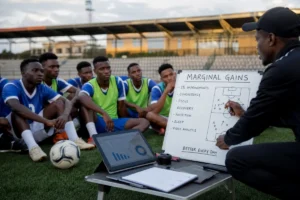
Tactical awareness encompasses a player’s understanding of game strategy and the ability to anticipate opponents’ moves. Success on the World Cup stage demands sharp analytical skills, allowing players to make quick decisions under pressure. Recognizing patterns in opponent behavior and adapting to changing dynamics on the pitch can significantly impact a match’s outcome. This skill not only enhances individual performance but also benefits team cohesion and strategy execution.
Reading the Game
Reading the game involves the ability to perceive and interpret the flow of play, recognizing shifting momentum and opportunities. Players with strong situational awareness can discern the tactical adjustments required as a match evolves, allowing them to adjust their positioning and decisions swiftly. This skill is vital for effective ball distribution, defensive organization, and exploiting weaknesses in the opposition.
Positioning
Effective positioning directly influences a player’s impact on the field, providing tactical advantages in both attack and defense. Players must constantly evaluate their location relative to the ball, teammates, and opponents. By occupying key spaces, they can create scoring chances or thwart attacks. For instance, a midfielder who consistently positions themselves between the lines can exploit pockets of space, facilitating swift transitions. Proper positioning also prevents overcommitting to tackles, which can leave defensive gaps, ultimately enhancing team structure and flexibility during high-stakes matches like the World Cup.
Physical Fitness
Modern footballers must possess exceptional physical fitness to endure the demands of high-stakes matches and intense tournaments like the World Cup. Conditioning is not merely about being fit; it involves a comprehensive understanding of how to optimize endurance, strength, and agility to outpace opponents and recover swiftly. Players engage in tailored training regimens, focusing on cardiovascular workouts, strength training, and mobility exercises that enhance performance on the field. With fitness levels peaking during crucial moments, understanding these components is vital for every athlete striving for World Cup glory.
Endurance
Endurance determines a player’s ability to maintain high performance throughout the match. With matches lasting 90 minutes or more, players must sustain their energy levels while executing tactical movements, sprinting, and engaging in physical contests. Incorporating varied cardio exercises, such as long-distance running and interval sprints, helps enhance aerobic capacity and stamina. Athletes often aim to achieve a balance of training that supports both explosive energy bursts and sustained effort, ensuring they can maintain peak performance until the final whistle.
Strength and Agility
Strength and agility are foundational elements for success on the pitch. Players require explosive power to tackle opponents and maneuver into scoring positions, demanding a dedication to strength training that focuses on key muscle groups. Agility allows for quick changes in direction, crucial for evading defenders and creating space. Those with strong agility often exhibit better coordination and footwork, crucial attributes for both offensive and defensive roles in football.
Effective training for strength and agility combines weightlifting with plyometric exercises, emphasizing explosive movements that translate to on-pitch performance. For instance, integrating drills like box jumps and agility ladders can boost a player’s ability to swiftly navigate through tight spaces, enhancing their effectiveness in high-pressure situations. Additionally, the use of resistance bands during training can increase muscle stability, allowing for sharper cuts and quicker reflexes. Elite players who prioritize these aspects often find themselves excelling, particularly in World Cup scenarios where every second counts.
Mental Toughness
Mental toughness separates elite footballers from the rest, particularly on the World Cup stage where pressure reaches unprecedented levels. Players must not only excel technically but also navigate high-stakes moments with poise and determination. The ability to withstand setbacks, embrace challenges, and maintain composure allows athletes to perform at their peak even under immense stress.
Resilience
Resilience enables footballers to recover quickly from setbacks, be it a lost match or a missed opportunity. Elite athletes often face considerable adversity, such as injuries or public scrutiny. Those with high resilience bounce back swiftly, turning failures into learning experiences and maintaining their focus on long-term goals.
Focus and Concentration
The ability to maintain focus and concentration during intense moments can dictate the outcome of high-stakes matches. Top players filter out distractions, whether from the crowd, game pressure, or personal expectations, to remain fully engaged. This mental clarity often translates into better decision-making on the field.
Statistics highlight the importance of concentration in critical situations; for instance, players who can focus consistently are 30% more likely to make effective passes and tackles in the final minutes of a match. Techniques such as visualization and mindfulness training are commonly utilized by athletes to enhance focus, allowing them to immerse themselves in the present moment and read the game effectively. Implementing these practices not only sharpens skills but also builds confidence during tournament play.
Teamwork and Communication
A successful footballer on the World Cup stage must excel in teamwork and communication. These skills enhance both on-field performance and overall team cohesion, serving as the backbone of effective gameplay. The best teams demonstrate seamless coordination, leading to breakthroughs against formidable opponents. Players must not only understand their roles but also anticipate their teammates’ movements, fostering an environment where strategic collaboration thrives.
On-field Communication
Effective on-field communication is vital to maintaining fluidity during matches. This includes verbal cues, non-verbal signals, and even body language, constantly conveying tactical shifts. Players adept at signaling their intentions with concise phrases or gestures can quickly adapt to changing game dynamics. Successful teams often utilize a shared lexicon of strategies, ensuring each member stays informed and can effectively execute pre-planned plays.
Understanding Team Dynamics
Mastering team dynamics involves grasping the unique strengths and weaknesses that each player brings to the squad. Awareness of diverse playing styles and personal relationships helps forge a cohesive unit. Top-tier players cultivate this understanding during training, where they regularly engage in drills that promote synergy. This deep empathy among teammates significantly influences their ability to react under pressure, leading to more adaptive and resourceful play during high-stakes matches.
Developing a strong grasp of team dynamics goes beyond just knowing individual skill sets; it encompasses fostering trust and camaraderie. Teams that engage in bonding activities off the pitch often cultivate better on-field relationships. Notably, during the 2014 and 2018 World Cups, successful teams showcased undeniable chemistry, as seen with Germany’s disciplined structure and France’s fluid attacking style. Such examples underscore the necessity for players to align their individual visions with the collective goal, ensuring every member is not just a contributor but an integral part of the team’s success.
Adaptability and Versatility
Adapting to various roles and situations defines modern football, especially on the world stage. Players who can seamlessly fit into different formations and strategies provide immense value. This flexibility enhances team dynamics, allowing coaches to make tactical adjustments in response to in-game developments. As global football evolves, embracing adaptability is non-negotiable for anyone aspiring to compete at the highest level.
Playing Multiple Positions
Footballers who can effectively play multiple positions significantly increase their utility to the team. For instance, a defender who can also fill in as a midfielder offers tactical options, enabling managers to experiment with formations. This adaptability allows teams to adjust to injuries or tactical needs without sacrificing performance. In international tournaments, depth and versatility often separate championship contenders from the rest.
Adjusting to Opponents
Successful players keenly analyse their opponents, adjusting their game plans in real-time. This analytical mindset allows them to exploit weaknesses, making rapid strategic shifts vital during matches. Modern training includes simulations where players practice these adjustments, ensuring they can pivot at a moment’s notice. Understanding opponents’ playing styles, key players, and tactical tendencies becomes vital for achieving success on the world stage.
Adjusting to opponents involves a combination of observation, prediction, and execution. For example, a midfielder facing a highly physical defensive line may choose to play quicker passes or shift to wide areas to create space. This situational awareness, often honed through meticulous study and experience, can turn the tide in crucial moments. Players who excel in this area often achieve standout performances, influencing the match’s outcome and showcasing their value on the international stage.
To wrap up
Drawing together the key skills necessary for success at the World Cup, modern footballers must excel in technical abilities, tactical awareness, and physical fitness. Adaptability and mental resilience are equally important, enabling players to respond effectively to high-pressure situations. Strong communication and teamwork skills foster cohesive play, while a deep understanding of game strategies can significantly enhance performance. In the highly competitive environment of the World Cup, these attributes collectively contribute to a player’s ability to shine on the international stage.
FAQ
Q: What technical skills are important for modern footballers competing in the World Cup?
A: Modern footballers need exceptional ball control, dribbling, and passing accuracy. They must also demonstrate proficiency in shooting techniques and set pieces, as these abilities significantly impact game outcomes.
Q: How important are physical fitness and conditioning for players at the World Cup level?
A: Physical fitness is vital for players to cope with the demands of high-intensity matches. Endurance, speed, agility, and strength all contribute to a player’s effectiveness and ability to stay competitive throughout the tournament.
Q: What role does mental resilience play for footballers during the World Cup?
A: Mental resilience allows players to handle pressure, maintain focus, and bounce back from setbacks. This psychological strength is important for making quick decisions and performing consistently in high-stakes situations throughout the tournament.