Behind The Scenes: What Modern Football Teams Do Differently To Prepare For The World Cup?
Football teams today employ a variety of innovative strategies to maximize their chances of success in the World Cup. From advanced analytics that analyze player performance to tailored nutrition plans enhancing physical condition, these preparations extend beyond traditional training methods. Teams invest in cutting-edge technology for injury prevention and recovery, ensuring players are at their peak. Mental resilience is fostered through sophisticated psychological training, allowing players to handle the pressures of the tournament effectively. This comprehensive approach sets modern teams apart in their quest for glory on the world stage.
Evolution of Training Methods
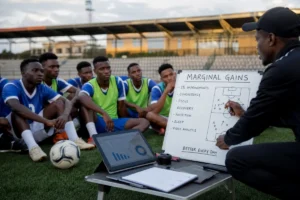
Modern football teams have dramatically transformed their training methods to optimize player performance. Traditional drills have been replaced by focused, tailored sessions that consider individual fitness levels, strengths, and weaknesses. Periodization, which varies training intensity and volume, allows players to peak at the right time, ensuring they are in optimal condition for the World Cup. Incorporating recovery protocols such as active rest days and physiotherapy plays a significant role in preventing injuries and enhancing overall player longevity.
Technological Advances
Enhanced training environments leverage cutting-edge technology like VR simulations, motion capture, and wearable fitness trackers. These innovations facilitate a deeper understanding of player biomechanics, enabling coaches to refine techniques and maximize efficiency. For instance, motion capture systems analyze movement patterns, while fitness trackers provide real-time data on player exertion and recovery, allowing for personalized training adaptations.
Data Analytics in Performance
Data analytics has emerged as a game-changer in assessing player performance and team tactics. Teams use metrics from every facet of the game, including positioning, passing accuracy, and player fatigue levels, to formulate strategies. This sophisticated analysis enables detailed opponent scouting and informs training decisions.
Advanced analytics employ tools like expected goals (xG), heat maps, and possession statistics to evaluate performance trends and predict outcomes. For example, teams can pinpoint which formations yield the highest goal-scoring probabilities against specific opponents. The integration of these insights into training regimes has heightened competitiveness, with clubs leveraging analytics to streamline player development and strategic planning, demonstrating a profound change in how football is approached at every level.
Mental Preparation Techniques
Mental preparation plays a vital role in a football team’s success at the World Cup. Teams utilize various strategies, including visualization exercises and tailored relaxation techniques, to enhance players’ focus and confidence. Players visualize scenarios on the pitch, mentally rehearsing their actions and decisions, which boosts performance under pressure. Moreover, teams engage in mindfulness practices that promote mental resilience, allowing athletes to remain composed during high-stakes matches.
Psychological Coaching
Psychological coaching has become a key aspect of modern training. Teams hire specialized psychologists who work with players individually and in groups, addressing mental blocks and fostering a positive mindset. Techniques like cognitive behavioral therapy help athletes develop coping strategies for anxiety and stress, ensuring they are prepared not just physically but also mentally for the challenges of the World Cup.
Team Bonding Activities
Team bonding activities foster a sense of unity and trust among players. These activities range from casual outings to structured team-building exercises that challenge players to work together outside of the pitch. The goal is to break down barriers and create lasting connections, which can enhance communication and collaboration during games.
For example, many teams participate in off-site retreats where players engage in activities such as obstacle courses, team sports, and problem-solving challenges. These experiences encourage camaraderie and help players develop a deeper understanding of each other’s personalities and strengths. This enhanced team cohesion translates to improved performance on the pitch, as players feel more comfortable relying on one another during critical moments of a match. Teams like Germany and France have successfully implemented these strategies, contributing to their World Cup victories, showcasing the importance of strong interpersonal relationships in achieving collective goals.
Nutrition and Health Regimens
World Cup contenders increasingly rely on tailored nutrition and health regimens to enhance player performance and longevity. Beyond basic meal plans, teams now employ sports nutritionists to optimize hydration, macronutrient ratios, and recovery strategies. These regimens often encompass personalized supplements and performance snacks available during training and matches, ensuring players peak at the right moments.
Dietary Strategies
Teams implement specific dietary strategies focusing on carbohydrate loading, protein timing, and micronutrient optimization. For instance, many players consume a high-carb meal 48 hours before competition to maximize glycogen stores, while protein timing around training sessions helps promote muscle repair. This tailored approach aims to enhance energy levels and recovery.
Injury Prevention Protocols
Injury prevention protocols have evolved into a science-driven approach, leveraging advanced movement screening, strength training, and conditioning routines aimed at minimizing risk. Teams utilize wearable technology to assess player workloads, helping to identify potential injury risks before they become realities.
Utilizing tools such as GPS trackers and heart rate monitors, sports scientists analyze real-time data on player movements, allowing for adjustments in training intensity and recovery periods. Additionally, many teams conduct regular neuromuscular training sessions to enhance strength and balance, focusing on reducing injuries common in high-stakes tournaments, which can disrupt team dynamics and performance. By addressing these factors proactively, teams foster a culture of resilience that supports athletes long-term. This robust focus on injury prevention has contributed to teams achieving significant decreases in injury rates over recent international competitions.
Tactical Innovations
Modern football teams leverage tactical innovations to gain competitive advantages in World Cup preparations. Advanced analytics and data science drive game strategies, enabling coaches to craft specific plans tailored to opponents. By integrating video analysis, teams can dissect gameplay patterns and identify vulnerabilities, allowing for more dynamic and adaptable game management.
Formation Adaptations
Formation adaptations are central to a team’s approach, shifting from traditional setups to more fluid systems. The rise of the 3-5-2 or 4-2-3-1 formations reflects a trend towards maximizing player versatility and adapting defensive and offensive lines as needed. This flexibility allows teams to counter diverse rivals while enhancing their structure and creating numerical advantages in critical areas of the pitch.
In-Game Strategy Adjustments
In-game strategy adjustments have become increasingly sophisticated, with real-time analytics informing decisions. Coaches utilize on-field data to implement systematic changes, which may involve tactical switches, player substitutions, or altering team shape during matches. Utilizing tools like AI-driven apps, coaching staff can quickly assess player performance and opposing tactics, leading to immediate recalibrations aimed at exploiting weaknesses and seizing momentum.
For instance, during the 2018 World Cup, teams such as France demonstrated adaptability by altering formations mid-game based on opponent tactics. With precise data analysis, they executed timely substitutions and formation shifts that disrupted opponent strategies, showcasing how real-time insights can directly influence match outcomes. Players are trained to respond to these tactical shifts seamlessly, allowing their teams to maintain strategic coherence while adapting to the dynamic flow of play.
International Collaboration
Modern football teams actively engage in international collaboration, recognizing the importance of shared knowledge and strategies across borders. By fostering partnerships with foreign clubs and associations, teams can tap into diverse methodologies, enhancing their preparation for the World Cup.
Exchange Programs
Exchange programs allow players and coaching staff to immerse themselves in different football cultures, providing insights into varied training techniques. These programs often include player loans, where athletes can gain invaluable experience in different leagues, fostering adaptation and growth.
Learning from Global Best Practices
Analyzing and incorporating global best practices has become standard for teams aiming for excellence. By studying the successes of teams like France, which emphasized youth development with their Clairefontaine academy, or Germany’s rigorous performance analysis techniques, coaches can innovate their approaches effectively.
For example, Germany’s methodical focus on data-driven performance analysis has set a benchmark in the football world. They implemented a detailed tracking system to analyze player movements, providing insights that refine training regimens and tactical setups. Such practices contribute to overall team effectiveness, highlighting the significance of adapting to and learning from the best while striving to achieve new successes on the world stage.
Fan Engagement and Support
Modern football teams recognize that fan engagement significantly influences morale and performance. Organizations invest resources into creating immersive experiences that connect fans to the team, thereby building a sense of community that extends beyond match days. From fan festivals to exclusive team merchandise, clubs seek to enhance the emotional ties between supporters and their players, creating a vibrant atmosphere that can elevate team spirit during high-stakes tournaments like the World Cup.
Building a Loyal Fanbase
Fostering a loyal fanbase requires consistent interaction and recognition of supporters’ contributions. Initiatives such as loyalty programs, fan voting on team jerseys, and meet-and-greet opportunities enable fans to feel valued and integral to the club’s success. This approach not only amplifies their connection to the team but also stimulates ongoing support, ensuring dedicated backing during crucial matches.
Utilizing Social Media
Social media platforms serve as a vital link between teams and their fanbase, fostering real-time communication and engagement. By sharing behind-the-scenes content, player interviews, and game highlights, clubs create an interactive environment where fans can participate in conversations, enhancing their investment in the team.
Leveraging social media effectively can transform fan engagement metrics. For instance, clubs like FC Barcelona have amassed millions of followers across platforms, allowing for direct outreach to a global audience. An analysis showed that posts during match days can generate up to 200% more interactions compared to off-season content, emphasizing the importance of timely, relevant communication. Innovative campaigns often encourage fan-generated content, such as hashtag challenges, further enriching the dialogue around the team and strengthening communal ties. Additionally, teams use analytics to tailor their messaging, ensuring that it resonates with specific audience segments, thereby maximizing engagement and support ahead of the World Cup.
Final Words
Taking this into account, modern football teams have significantly transformed their preparation strategies for the World Cup. By integrating advanced analytics, sports science, and cutting-edge technology, they optimize player performance and enhance recovery protocols. The emphasis on psychological readiness and teamwork, along with tailored training regimens, ensures that players are not only physically fit but also mentally prepared for the pressures of the tournament. These innovative approaches exemplify how contemporary methods can lead to improved outcomes, setting new benchmarks in the football world.
FAQ
Q: What innovative training methods do modern football teams use to prepare for the World Cup?
A: Modern football teams incorporate advanced data analytics, virtual reality training, and tailored fitness regimens. Data analytics helps in understanding opponents and optimizing player performance, while virtual reality simulates match situations. Customized fitness programs are designed to enhance player endurance and recovery based on individual needs.
Q: How do sports science and technology influence player selection for the World Cup?
A: Sports science and technology play a significant role in player selection through performance metrics and health assessments. Teams utilize wearable technology to track player fitness levels and injury risks, ensuring that only the fittest and most prepared players make the final squad. Physiological data also informs coaching decisions for optimal team strategy.
Q: What role does psychological preparation play in modern World Cup training programs?
A: Psychological preparation is integral to modern training programs. Teams engage sports psychologists to enhance mental resilience and focus, helping players cope with high-pressure situations. Techniques such as visualization, mindfulness, and tailored mental conditioning exercises are implemented to boost confidence and unify team dynamics before, during, and after the tournament.