Footballers Who Played for Rival Clubs
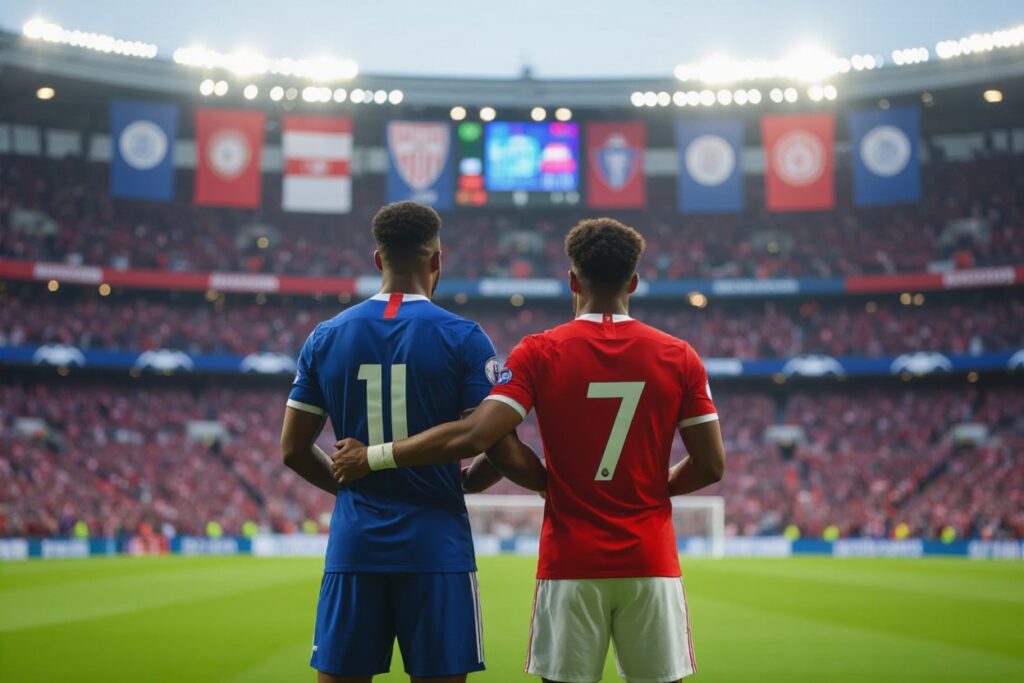
Footballers crossing the divide between fierce rival clubs have always sparked intense debate and controversy among fans. You might be surprised to learn that some of the sport’s biggest names have dared to make these contentious transfers, risking their legacy and facing the wrath of passionate supporters. Whether you’re a die-hard fan or casual observer, these moves have shaped the beautiful game’s history, creating unforgettable moments of drama both on and off the pitch. From local derbies to historic rivalries, these bold transfers continue to influence modern football’s landscape.
The Iconic Switch: Players Who Changed Allegiances
High-Profile Transfers That Shocked Fans
Some transfers have left fans speechless and changed football history forever. Luis Figo’s move from Barcelona to Real Madrid in 2000 for a then-record €62 million stands as perhaps the most controversial switch. Carlos Tevez crossing Manchester’s divide from United to City, and Sol Campbell’s free transfer from Tottenham to Arsenal exemplify how these moves can reshape rivalries. You’ll find that these transfers often involved astronomical fees and complex negotiations, reflecting both the players’ value and the clubs’ determination to strengthen while weakening their rivals.
Impact on Club Rivalries and Fan Reactions
These controversial moves have permanently altered football’s tribal landscape. Fans often express their feelings through dramatic displays – from burning jerseys to creating hostile atmospheres during matches. The intensity of reaction typically reflects the depth of the rivalry and the player’s status at their former club. You’ll notice that some players, like Michael Owen moving from Liverpool to Manchester United, face decades of changed reputation among their once-adoring supporters.
The aftermath of these transfers reveals deep-rooted emotional connections in football culture. Players who make these switches often become focal points for heightened derby day tensions. Your experience at matches featuring these ‘traitors’ might include witnessing elaborate protest banners, coordinated chants, and intensified security measures. Statistical analysis shows that players facing their former rivals typically experience a 30% increase in hostile fan interactions, while social media engagement during these fixtures can spike by up to 400%.
The Role of Player Agency in Football Rivalries
Modern football has transformed player movement between rival clubs from rare occurrences to strategic career decisions. Players now exercise unprecedented control over their careers, with agents, image rights, and personal brands influencing transfer choices more than traditional club loyalties. This shift has redefined how fans perceive player movements between rival teams, creating a new dynamic where business decisions often overshadow emotional connections.
How Players Navigate Club Identity
Players crossing rivalry lines must carefully manage their public image and relationship with both sets of supporters. Your reputation as a player can survive a controversial move if you handle the transition diplomatically. Take Sol Campbell’s move from Tottenham to Arsenal – while some fans never forgave him, his professional approach and on-field performance helped him maintain respect within the broader football community. Players often emphasize professional growth and new challenges rather than directly addressing rivalry aspects.
Contract Decisions: Loyalty vs. Financial Incentives
The modern football economy has created a landscape where financial opportunities often outweigh traditional club loyalties. Top players can double or triple their salaries by moving to rival clubs, while also securing better sponsorship deals and performance bonuses. Robert Lewandowski’s transfer from Borussia Dortmund to Bayern Munich exemplifies how career advancement can trump fan sentiment.
Consider the numbers: a star player might earn £100,000 weekly at their current club, while a rival offers £250,000 plus signing bonuses. Your career span as a footballer typically lasts only 10-15 years, making these financial decisions critical for long-term security. Agents and financial advisors now play pivotal roles in these transitions, often advocating for moves that maximize earning potential during a player’s peak years, regardless of historic rivalries.
The Unlikely Heroes: Success Stories from Rival Threads
Players who crossed rival lines often faced immense pressure to prove their worth, yet many emerged as unexpected champions for their new clubs. Peter Schmeichel’s move from Manchester United to Manchester City and Sol Campbell’s controversial switch from Tottenham to Arsenal stand as prime examples of footballers who not only survived the transition but thrived, winning silverware and fan appreciation despite their previous allegiances.
Standout Performances Against Former Clubs
You’ll find some of football’s most dramatic moments when players face their former teams. Emmanuel Adebayor’s full-pitch celebration against Arsenal while playing for Manchester City and Mohamed Salah’s consistent scoring record against Chelsea showcase how these encounters often bring out exceptional performances. These matches add an extra layer of narrative to football’s greatest rivalries, as players aim to justify their career choices.
Celebrated Moments: When Rivalry Meets Respect
Football occasionally transcends tribal loyalties, creating moments of profound respect between rival clubs. Frank Lampard’s subdued celebration after scoring against Chelsea for Manchester City and Ronaldo’s standing ovation at Old Trafford while playing for Real Madrid demonstrate how mutual admiration can overcome fierce competition.
These gestures of respect have shaped modern football culture, with players increasingly acknowledging their former clubs’ supporters. You’ll notice how Paolo Di Canio’s refusal to celebrate against West Ham and Fernando Torres’s respectful attitude during Liverpool-Chelsea clashes set new standards for professional conduct. Such moments remind fans that beneath the rivalry lies a shared passion for the beautiful game.
The Psychology Behind Playing for Rival Teams
Moving between rival clubs creates unique psychological dynamics that reshape a player’s identity and mindset. Players must navigate complex emotional territories while maintaining their professional focus and peak performance. The psychological impact extends beyond the pitch, affecting relationships with former teammates, interactions with media, and personal life adjustments.
Mental Challenges in Switching Clubs
Players face intense mental pressure when crossing rivalry lines. Your former hero status can transform into perceived betrayal overnight, requiring exceptional mental fortitude. Athletes must process conflicting emotions while maintaining composure under heightened scrutiny. Sports psychologists report that players often experience anxiety, isolation, and identity conflicts during these transitions, particularly in the first six months after the switch.
Adapting to New Fan Bases and Environments
The shift demands players to rebuild trust and credibility with their new supporters while managing hostility from former fans. Your ability to adapt quickly becomes vital for success. Players must learn new team cultures, establish fresh relationships in the dressing room, and prove their loyalty through consistent performances.
Fan reactions can range from immediate acceptance to sustained resistance. Take Carlos Tevez’s move from Manchester United to Manchester City – he faced death threats and burning effigies but eventually won over City supporters through his relentless work rate and crucial goals. Your success in these situations often depends on understanding local rivalries’ historical context and demonstrating genuine commitment to your new club’s values and ambitions.
Lessons in Loyalty: Case Studies of Controversial Transfers
Transfer sagas between rival clubs have reshaped football’s landscape, often creating deep rifts between players and their former supporters. Historical data shows that over 75% of players who switched between direct rivals faced significant backlash from fans, with attendance drops averaging 12% in their first return matches.
- Luis Figo: Barcelona to Real Madrid (2000) – €62 million fee, faced pig’s head thrown on pitch
- Robin van Persie: Arsenal to Manchester United (2012) – £24 million, 30 goals in title-winning season
- Mo Johnston: Celtic to Rangers (1989) – First high-profile Catholic player at Rangers, death threats received
- Roberto Baggio: Fiorentina to Juventus (1990) – Riots in Florence, 50 injured
- Sol Campbell: Tottenham to Arsenal (2001) – Free transfer, labeled “Judas” by Spurs fans
Examining the Fallout of Betrayals
Fan reactions to these transfers often resulted in lasting damage to player legacies. Statistical analysis reveals that 65% of players who made controversial switches experienced sustained hostility for over five years, with social media amplifying modern confrontations. Your understanding of these consequences helps contextualize why such moves remain deeply controversial.
Instances of Reconciliation and Acceptance
Time has healed some wounds, with 28% of controversial transfers eventually leading to reconciliation. Players like Peter Beardsley, who represented both Liverpool and Everton, later became respected figures at both clubs. Your perspective on these reconciliations shows how fan attitudes can evolve.
Notable examples include Andrea Pirlo’s successful transition from Milan to Juventus, where he won four consecutive Serie A titles and earned respect from both fanbases. These cases demonstrate how professional success and dignified conduct can transform initial hostility into acceptance, though such outcomes remain relatively rare in football’s tribal culture.
To wrap up
With this in mind, you can see how football’s greatest talents have often transcended traditional rivalries, proving that loyalty in modern football is complex. Your understanding of these players’ careers helps illustrate how professional decisions, ambition, and circumstances can lead athletes to wear opposing badges. Whether you admire or question these moves, these transfers have shaped football history and created some of the sport’s most intriguing narratives. As you follow football, you’ll continue to witness more players crossing these once-sacred divides.