La Liga vs Premier League: History, Records and Legendary Players
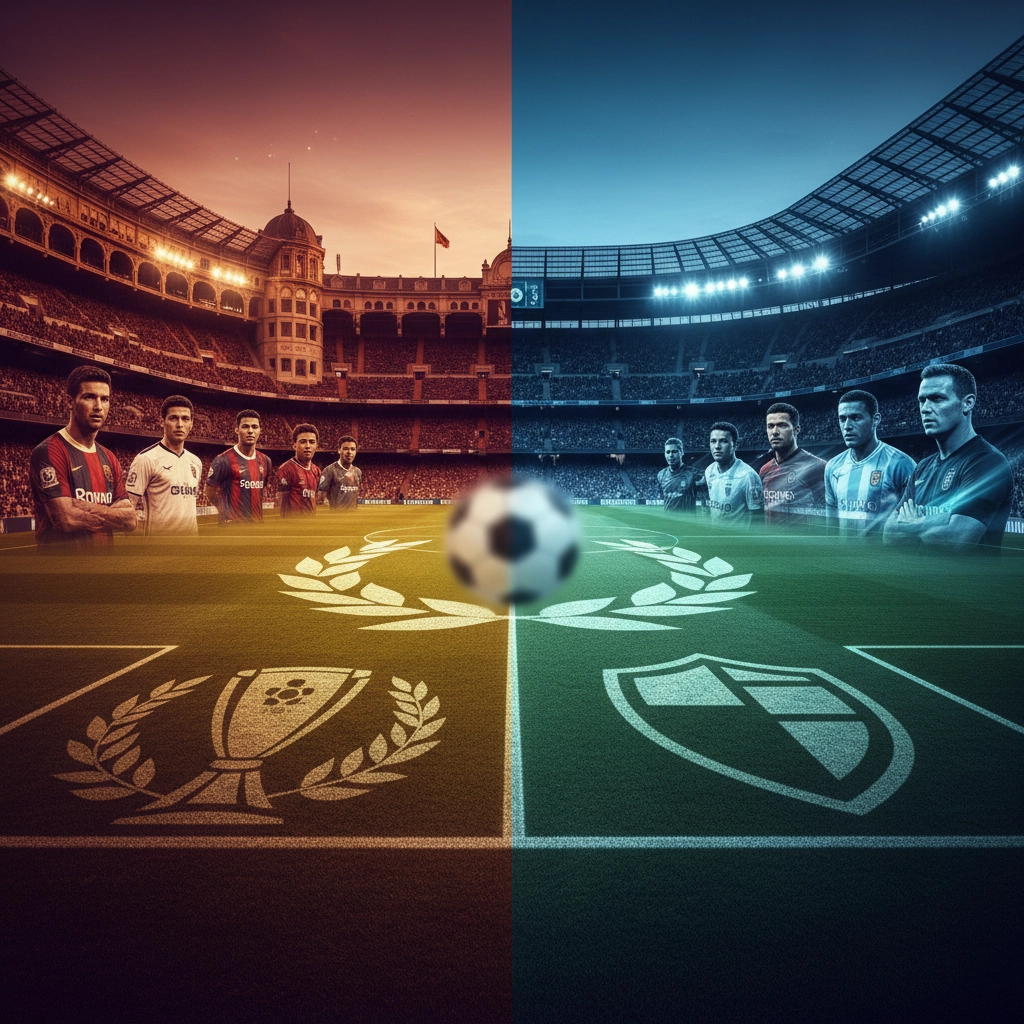
Why La Liga and the Premier League feel so different — a historical snapshot
You may already notice distinct rhythms when watching a match from Spain’s La Liga and England’s Premier League. Those differences trace back to how each competition formed and matured. La Liga, officially established as Spain’s top flight in 1929, grew from regional tournaments and a national desire to crown a single champion. The Premier League, as you know it today, began in 1992 when England’s top clubs broke away from the old First Division to capitalize on new television revenues and modernize the game’s commercial model. But both leagues rest on deeper histories: English professional league football dates to the Football League’s founding in 1888, while Spanish football’s club culture and regional rivalries developed intensively through the early 20th century.
How origins shaped playing styles and fan culture
Because you experience football visually and emotionally, the leagues’ origins help explain why styles diverged. La Liga’s early decades emphasized skill, technical play, and tactical innovation influenced by continental coaches and foreign stars—this fostered a culture that values possession and flair. In England, industrial cities and packed terraces produced a faster, more physical game that prized intensity and directness. When the Premier League era began in 1992, broadcasting money amplified that style globally, attracting international talent while keeping the trademark tempo and competitive unpredictability.
Early landmarks, rivalries, and pivotal moments you should know
To understand the present, you need a few landmark dates and events. Early success in each country established flagship clubs whose rivalries still define the calendar and global attention:
- La Liga milestones: Real Madrid’s dominance in the 1950s—anchored by Alfredo Di Stéfano and Ferenc Puskás—helped elevate Spain’s profile through European Cup triumphs. Barcelona and Athletic Bilbao also built deep local roots and distinct playing philosophies.
- English milestones: The Football League’s 1888 founding set the template; post-war eras saw clubs like Arsenal and Liverpool rise to prominence. The commercialization wave of the early 1990s and the new Premier League structure transformed revenue, stadium investment, and global reach.
- European context: Cross-border tournaments like the European Cup/Champions League solidified reputations. Real Madrid’s early continental success and English clubs’ dominance in the 1970s–80s (followed by the Heysel ban and later resurgence) were decisive in shaping perceptions of each domestic league.
How clubs and early stars built lasting legacies
Clubs became symbols for cities and nations; players became icons. You’ll encounter names such as Alfredo Di Stéfano and Johan Cruyff in Spain’s narrative—figures who influenced tactics and identity—while English football’s early legends, from Dixie Dean to Sir Bobby Charlton and later George Best, helped elevate the domestic game and its storytelling. These players and clubs set the stage for modern rivalries, transfer strategies, and fan devotion that you see packed into today’s fixtures.
With that foundation in place, you’re ready to move into the records and the individual legends whose statistics and highlights further distinguish La Liga and the Premier League.

Records that still define each league
When you glance at record lists, you see how each competition rewarded different kinds of greatness. In the Premier League, longevity and seasonal consistency stand out: Sir Alex Ferguson’s Manchester United accumulated the most Premier League titles since 1992, while Alan Shearer’s 260 goals remain the highest individual tally in the competition’s history. Gareth Barry’s appearance total is another emblem of the league’s physical demands and rotation across long careers. The Premier League also retains a cultural milestone in Arsenal’s 2003–04 “Invincibles” — a single season that captured the imagination of fans by going unbeaten.
La Liga’s records underline technical excellence and continental conquest. Lionel Messi’s all-time La Liga scoring record redefined what a career in Spain could look like, and Cristiano Ronaldo’s La Liga haul kept the pressure high during their defining rivalry. Real Madrid’s success in European competition — unmatched in the Champions League era — bolstered La Liga’s reputation as a stage for the very best to shine internationally. Appearance and goalkeeper records in Spain (names like Andoni Zubizarreta appear repeatedly) also point to eras when single clubs built long-term dynasties, supported by youth systems and tightly held tactical identities.
Off the pitch, records of transfer fees and broadcast revenues tell a parallel story: modern market forces have pushed both leagues into new financial regimes, with record transfers and global broadcasting deals reshaping club strategies. Those commercial records feed back into the on-field ones, enabling sustained title challenges and the assembly of star-studded squads.
Legendary players and the eras they shaped
Statistics give you one view; players give you the stories. In La Liga, Johan Cruyff’s influence at Barcelona transcended goals and assists — his ideas spawned a playing philosophy later epitomized by Xavi, Andrés Iniesta and then Lionel Messi. Messi himself combined an unprecedented scoring rate with playmaking that redefined the attacking midfielder/forward hybrid. Other Spanish icons — Raúl, Puyol, and Sergio Ramos — symbolized club loyalty, defensive leadership and clutch performances in decisive matches.
The Premier League’s legends often symbolize grit, adaptability and moments that altered club trajectories. Alan Shearer defined the archetypal Premier League striker: powerful, clinical and consistent across clubs. Thierry Henry brought continental elegance to the English game and helped Arsenal lift their level; Ryan Giggs and Paul Scholes represented homegrown consistency that underpinned Manchester United’s dominance. In the modern era, players like Cristiano Ronaldo (whose Manchester United spell preceded his La Liga supernova), Mohamed Salah and Kevin De Bruyne have shown how global talent can fold into the league’s high tempo to produce new kinds of records and highlight-reel moments.
Across both leagues, the most memorable figures changed how teams played — shifting formations, pressing styles, and even youth development priorities. Their influence is chronicled in record books, but it’s the matches, rivalries and tactical legacies they left behind that continue to shape La Liga and the Premier League today.
Both leagues continue to adapt — from analytics and youth development to global broadcasting and transfer market shifts — but what remains constant is their capacity to create compelling narratives: surprise champions, transcendent talents and matches that define generations. That evolving mix of tradition and change ensures La Liga and the Premier League will keep offering fertile ground for new records, fresh rivalries and unforgettable moments.
The Rivalry’s Next Chapter
The coming years will be shaped by how clubs, governing bodies and fans respond to financial pressures, calendar demands and technological change. Whether through a tactical revolution, a new generation of superstars, or governance reforms, both competitions will keep proving that football’s appeal lies as much in its unpredictability as in its history. For official fixtures, standings and league news, see the LaLiga official site.
Frequently Asked Questions
What are the main stylistic differences between La Liga and the Premier League?
La Liga has often been associated with technical, possession-based play and a strong continental (Champions League) presence, while the Premier League is known for a faster tempo, physical intensity and tactical variety introduced by a mix of domestic and international managers and players.
Which legendary players are most closely linked to each league?
In La Liga, Johan Cruyff, Xavi, Andrés Iniesta, Lionel Messi, Raúl and Sergio Ramos are central figures. In the Premier League, icons include Alan Shearer, Thierry Henry, Ryan Giggs, Paul Scholes, Cristiano Ronaldo (for his early United spell) and modern stars like Mohamed Salah and Kevin De Bruyne.
How do finances and broadcasting deals affect competitiveness in both leagues?
Large broadcast revenues and record transfer fees enable top clubs to assemble star-studded squads, often widening gaps between giants and smaller clubs. At the same time, savvy youth development and smart recruitment can offset financial disparities, allowing surprise challengers to emerge despite market imbalances.