Controversial VAR Moments That Changed Football Matches
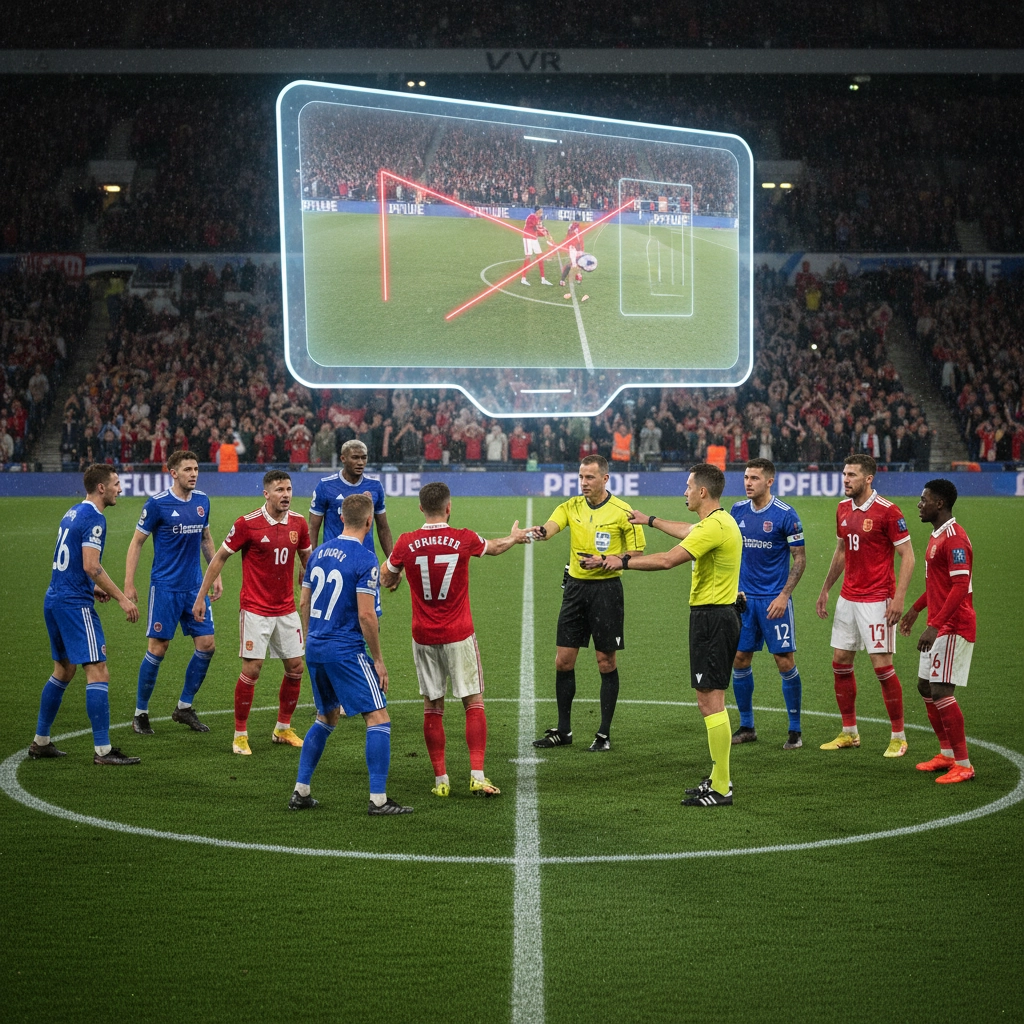
When VAR Arrived: What you should understand about its disruptive effect
You probably noticed that VAR (Video Assistant Referee) didn’t arrive quietly. When major competitions began using it, you saw matches stop, replays appear on big screens, and decisions that once stood suddenly overturned. VAR was meant to reduce clear errors—offside goals, missed penalties, and mistaken red cards—but its introduction changed more than a handful of match results. To follow the debates you read and hear, it helps to know how VAR works and which types of decisions it influences.
At its core, VAR is a review mechanism. You watch as referees consult pitch-side monitors or get advice from a video room; then a decision is confirmed, overturned, or refined. That process brought new clarity to some moments and new controversy to others. You’ll see that controversies usually cluster around a few predictable areas: marginal offside calls, subjective handball interpretations, and the amount of time spent reviewing incidents. Understanding those categories will help you judge whether a VAR intervention felt justified or if it unduly altered the flow and outcome of a game.
Early VAR controversies and the types of match changes you’ll keep seeing
How major tournaments set expectations—and sparked debate
When VAR made its high-profile debut at major tournaments and top domestic leagues, matches were frequently decided by reviews. The 2018 World Cup marked the first time many fans worldwide saw VAR in action on the biggest stage; it corrected clear errors but also showed you how replay technology can interrupt momentum. In subsequent seasons, top European competitions adopted VAR and you began to notice patterns: teams won or lost based on tiny offside margins; goals stood or fell after lengthy checks; and penalty calls were alternately awarded or rescinded after slow-motion review.
Common categories of game-changing controversies
- Marginal offsides: Fractional lines on replay often decide whether a goal stands. You might agree a goal was wrongfully ruled out, or feel that pixel-perfect precision undermines the spirit of the game.
- Handball interpretation: VAR intensified debates over intent versus outcome. You’ve seen goals disallowed for very brief or accidental contact, shifting results late in matches.
- Penalty and red card reversals: Reviews have both corrected and created contentious match turning points—sometimes awarding a penalty after a long delay, sometimes removing one already celebrated by fans.
- Delay and momentum loss: Even when a decision seems correct, the interruption itself can change the dynamic: teams lose rhythm, fans get agitated, and coaches adjust tactics to a new reality.
These early controversies did more than decide individual games—they altered how referees managed matches, how coaches prepared, and how fans experienced live football. In the next section, you’ll get a closer look at specific high-profile VAR incidents, the precise calls that changed results, and what those moments taught the sport about technology, fairness, and interpretation.
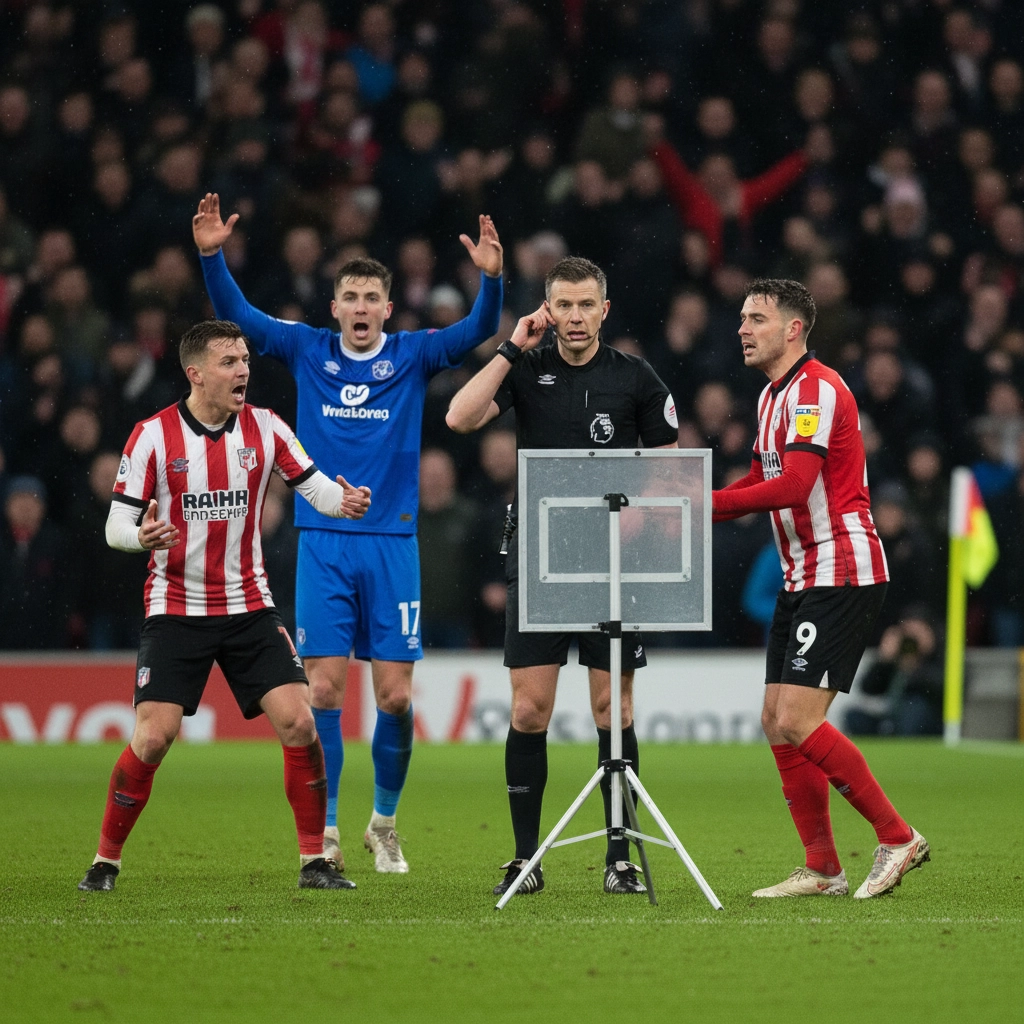
Iconic VAR incidents that swung nights—and trophies
When you think of VAR’s most talked-about moments, you probably picture late stoppages, stadium screens going silent, and players pleading for clarity. Across tournaments and domestic leagues, a handful of dramatic reviews did more than change a result; they shifted narratives. For example, at a World Cup match early in VAR’s rollout, a penalty was awarded after a pitch-side review for a handball that many fans had missed in real time—turning a tight knockout game into a headline about technology’s reach. In continental club competitions you’ve seen last-gasp equalisers chalked off for offside by an imperceptible margin, leaving players and supporters to debate whether millimetres should decide the emotional high points of football. And in decisive title races, a VAR-intervened penalty or overturned red card has sometimes altered a season’s finishing order.
Those incidents share a common structure: a big moment, a long review, and an outcome that splits opinion. What makes them “iconic” isn’t always that the VAR call was obviously wrong, but that it forced everyone—fans, pundits, and sometimes governing bodies—to ask deeper questions. Was the technology applied consistently? Should marginal offsides be adjudicated with such precision? Did the referee’s interpretation of handball follow the spirit or the letter of the law? Each high-profile case became a teaching moment, prompting rule clarifications, heated arguments on television, and countless social-media disputes that outlived the match itself.
What those moments taught the game—and how stakeholders reacted
From the controversies came changes. Refereeing bodies and competitions didn’t simply shrug and keep going; they refined protocols. You’ve seen more precise wording around what counts as “clear and obvious” error, incremental tweaks to handball guidance, and experiments with semi-automated offside technology to cut down review time and human ambiguity. Leagues standardized how much information VAR teams can communicate publicly, and some competitions started showing the replays and lines on stadium screens to improve transparency.
Clubs and coaches adapted too. Managers began to plan for the stoppages—practicing set-piece routines that could be delayed, training players to manage momentum loss, and changing substitution strategies when reviews threatened to eat into added time. Players altered behavior as well; attackers learned to anticipate offside decisions and deflectors, while defenders adjusted to a higher likelihood that close handballs would be scrutinized. Fans, meanwhile, developed new rituals: collectively holding breath during a check, refreshing social feeds for replays, and debating whether VAR’s intervention felt like justice or intrusion.
Ultimately, those watershed VAR calls forced the sport into an ongoing balancing act. The technology has proved capable of correcting clear mistakes, but it also compelled football to wrestle with how much precision it wants, how transparent decisions should be, and how the human drama of the game should coexist with replay-driven accuracy. The next part of this article will look at how governing bodies continued to respond—and what that means for the future of refereeing and the fan experience.
Governing bodies didn’t stop at initial tweaks. In recent seasons you’ve seen pilot programmes for semi-automated offside, clearer written guidance on handball and “clear and obvious” thresholds, and tighter communication rules between VAR rooms and match officials. Those changes have aimed both to speed reviews and to give everyone—from coaches to casual viewers—a better sense of why a decision was made.
The road ahead for VAR
VAR’s role in football will keep evolving as technology, rules and expectations converge. The goal is not to eliminate human judgment but to support it—reducing unmistakable errors while preserving the flow and emotion that make the game captivating. Success will depend on consistent application of protocols, better communication with fans, and ongoing investment in referee education and technology. For an authoritative source on how the laws and protocols are being updated, see the IFAB VAR protocol.
Frequently Asked Questions
Has VAR made refereeing more accurate?
VAR has corrected many clear errors—especially obvious offsides, missed penalties and mistaken red cards—but accuracy gains come with trade-offs (longer stoppages, disputes over marginal calls). The article highlights that while VAR reduces some types of mistakes, it also shifted debate toward how precisely and consistently the technology is applied.
Why do VAR reviews sometimes take a long time?
Lengthy reviews usually stem from the need to assess multiple camera angles, apply nuanced interpretations (for example, handball or deflection), and follow strict protocols to avoid overturning correct on-field decisions. New tools and clearer rules aim to shorten those pauses, but complex or marginal incidents still require careful scrutiny.
Will VAR ever stop controversial moments entirely?
Unlikely. VAR reduces certain clear errors, but controversy will persist because football involves subjective judgments, borderline incidents and emotionally charged contexts. The evolving focus is on transparency, consistency and minimizing unnecessary interruptions rather than erasing all dispute.