Preparing For The World Cup 2026: Tips For Fans Planning The Ultimate Soccer Experience
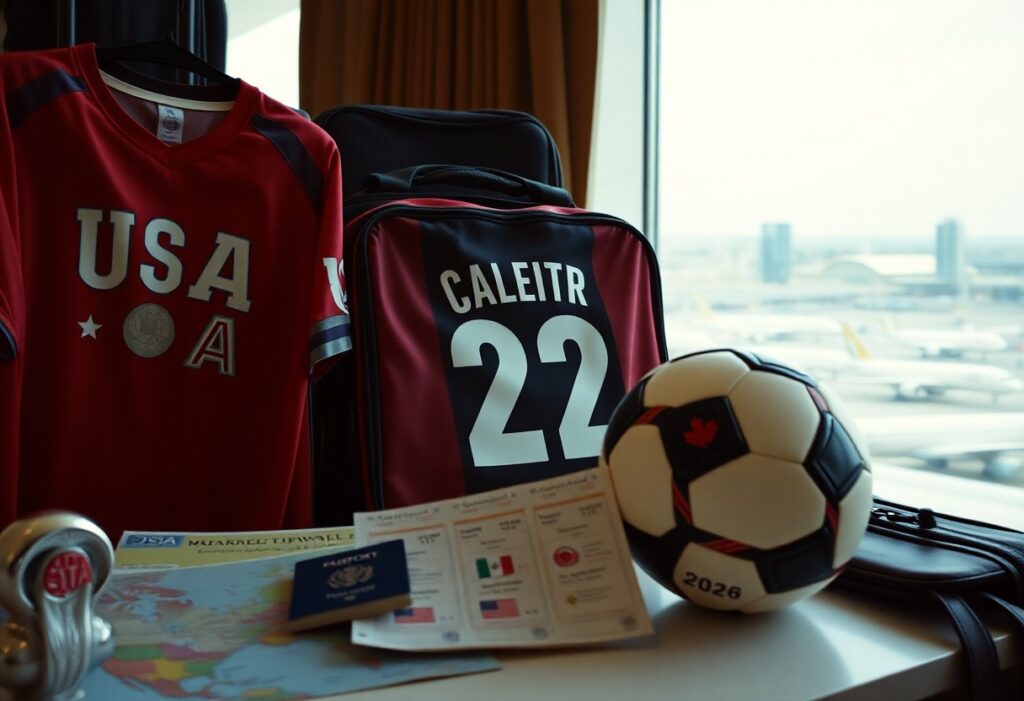
Just months away, the World Cup 2026 demands meticulous planning to secure a seamless fan experience: lock verified tickets and confirm accommodation early, map reliable transport and local logistics, and build an itinerary that balances match days with cultural exploration. Prioritize safety measures and awareness of scams or overcrowding while leveraging official apps and fan zones to maximize access to unforgettable matches and authentic local connections.
Understanding the World Cup Experience
Across the 16 host cities in the United States, Canada and Mexico, the 2026 tournament will deliver wildly different matchday atmospheres, climates and logistical demands. Expect a mix of stadiums from 40,000-80,000 seats, an expanded 48-team format producing 104 matches, and travel legs that range from short regional hops to cross-border trips – plan itineraries around match schedules, local transit, and altitude or heat differences to avoid fatigue and wasted time.
History of the World Cup
Since the inaugural 1930 tournament in Uruguay, the World Cup has grown into a global spectacle: Brazil leads with five titles, iconic moments include Pelé’s emergence in 1958 and Maradona’s 1986 run, and matches like Germany’s 7-1 win over Brazil in 2014 remain watershed events. Attendance and broadcast reach surged over decades, turning players into household names and creating traditions that fans still replicate today.
Importance of the Tournament for Fans
For supporters the World Cup is more than sport: it’s a cultural pilgrimage that draws over 3.5 billion viewers worldwide and generates intense local fan communities, flag rituals, and cross-border meetups. Fans invest heavily – time, money and emotion – to follow teams, create matchday traditions and connect with fellow supporters in official fan zones and local bars.
Practical implications include ticketing strategy, accommodation booking and safety planning: secure FIFA tickets through official channels, book refundable lodging early, and factor in transport between cities. Official fan zones offer social atmospheres but can attract large crowds – prepare for long queues, security screenings and increased risk of pickpocketing or heat exposure by carrying minimal valuables, staying hydrated, and knowing nearest medical points.
Choosing Your Destination
Host Cities and Their Attractions
With 16 host cities across the USA, Canada and Mexico (including examples like Los Angeles, Mexico City and Toronto), plan around stadium calendars and nearby attractions such as museums, beaches and renowned food scenes. Expect varied match-day atmospheres: some offer huge fan zones, others focus on boutique local experiences. The best choices balance travel time, local events and safety.
Travel Tips and Logistics
Book tickets and accommodation at least 6-9 months ahead, use official resale channels, and factor in domestic flight times-many cross-country hops run 3-5 hours. Use local public transport or ride-shares to avoid stadium congestion, and note entry policies and bag rules at each venue; pickpocketing spikes in crowded fan zones. The practical win is flexible itineraries with buffer days.
- Tickets – secure via official vendors
- Accommodation – book early near transit
- Transport – expect 3-5 hour flights between distant hosts
The coordination of flights, hotels and match schedules separates smooth trips from stressful ones.
For deeper logistics, load apps like the official FIFA app, Google Maps, and local transit apps; carry digital and printed copies of tickets and passports. Anticipate airport security lines of 30-60+ minutes during peak match days, confirm visa rules for cross-border travel between the three countries, and budget for surge pricing near stadiums-use nearby neighborhoods 10-20 minutes by transit for cheaper lodging. The small buffers you build save hours on match day.
- Apps – FIFA, transit and ticketing
- Documents – digital + printed tickets and ID
- Visas – check entry rules for US/CA/MX
The minute details-apps, backups and border rules-make the difference.
Ticket Purchasing Tips
Plan purchases around official sales windows and authorized resellers to avoid disappointment. Use the official FIFA portal for primary sales, register early, and expect phased releases with priority windows for local fans and registrants. Beware of unverified marketplaces and inflated offers-scams and scalpers can cost you hundreds above face value. Verify mobile delivery and refund policies before paying. Recognizing the difference between legitimate resale platforms and risky listings is vital.
- Register on the FIFA ticketing site before general sale.
- Set alerts for sale windows and authorized resale drops.
- Use authorized resale to ensure valid transfers and buyer protection.
- Avoid scalpers and cash-only deals; insist on official digital transfers and receipts.
How to Secure Tickets
Registering on the official FIFA portal is step one; sign up with a secure email and enable two-factor authentication. During sales, prioritize match bundles and local-fan windows-some allocations open weeks before general sale. Keep payment details ready, use fast internet, and consider hospitality packages if standard tickets sell out. If primary sales fail, monitor the authorized resale platform and official re-releases, which often deploy closer to matchday.
Understanding Ticket Categories and Pricing
Seat categories usually range from Category 1 (best sightlines) to Category 3 (budget), with prices scaling accordingly; expect group-stage tickets to be a small fraction of final-match prices. Stadium size and host-city demand heavily influence price tiers-larger venues often have more lower-tier seats. Official hospitality and VIP packages carry premium pricing and added benefits like lounges and exclusive access.
Prices reflect sightlines, proximity to midfield, and included amenities: Category 1 seats are commonly 2-4× the cost of Category 3, while hospitality can exceed standard rates by 5× or more. Factor in service and delivery fees-typically adding about 10-25% to face value-and check transfer windows for sanctioned resales to avoid ticket invalidation; verify stadium-specific entry rules such as bag limits and mobile-ticket requirements.
Accommodations
Types of Lodging Available
Options range from downtown luxury hotels to neighborhood short-term rentals, budget hostels, converted university dorms and designated fan villages with communal events; expect average hotel rates to spike by 50-200% during match weeks in major host cities. Consider group size, transit time to stadiums and safety in each neighborhood when choosing. The table and bullets below summarize typical trade-offs and use cases.
- Luxury hotels – proximity and service
- Short-term rentals – space and kitchens
- Hostels – lowest cost, social vibe
- University dorms – budget for large groups
- Fan villages – built-in events and security
| Luxury hotels | Best for convenience; higher nightly rates, often within 1-3 miles of stadia. |
| Short-term rentals | Good for families; watch cleaning fees and local regulations. |
| Hostels | Economical-beds from $20-$60/night in many cities; ideal for solo fans. |
| University dorms | Affordable for groups; availability typically during summer term breaks. |
| Fan villages | Organized fan spaces with programming; often sold as bundles with transport. |
Booking Strategies for Best Rates
Lock in refundable or flexible bookings about 120-180 days before match dates, set alerts on two or more platforms, and compare bundled flight+hotel deals; case studies show fans who booked early saved an average of 20-30% versus last-minute purchases. Use credit-card benefits for insurance and baggage, and check city-specific short-term rental rules before committing.
Use a two-stage approach: first secure a refundable reservation to guarantee a base rate, then monitor prices daily and rebook when you see a drop-many booking sites allow free changes up to 48-72 hours before check-in. Leverage loyalty programs and targeted promo codes (example: 10-15% off for members), and consider weekday check-ins to shave 10-25% off nightly rates in large markets. For group travel, negotiating directly with properties can yield bulk discounts or waived fees; fans who combined these tactics commonly reduced total accommodation costs by up to 30%.
Navigating Match Day
Match-day logistics make or break the experience. Plan to arrive 90-120 minutes before kickoff at large venues-MetLife Stadium (≈82,500) and Rose Bowl (≈88,565) often see long queues. Expect metal-detector screening, mobile-ticket turnstiles and clear-bag policies; concessions may be cashless. Set meeting points and a charged phone; designated rideshare and transit routes speed exit and reduce stress.
Pre-Match Activities and Fan Zones
Fan zones typically open 3-4 hours before kickoff with big screens, live music, food trucks and official merchandise-examples include L.A. Live activations and Toronto fan festivals. Supporter marches, face-paint stations and sponsor booths create atmosphere; some zones run youth clinics and autograph sessions. Keep valuables secured-pickpocketing rises in dense crowds-and follow zone maps and staff instructions for safe movement.
Transportation and Entry Protocols
Public transit is often fastest-use commuter rail, subway or shuttle services; MetLife is served by NJ Transit and Meadowlands Rail Line during events. Rideshare pickup/drop zones and official lots are clearly signed; allow an extra 60-90 minutes beyond travel time for long security lines. Most venues enforce clear-bag size limits and ban items such as flares, fireworks and drones.
Buy parking and shuttle passes in advance and confirm drop-off points; park-and-ride reduces downtown congestion. Some stadiums offer expedited lanes for accessibility or pre-screened fans, and mobile-only tickets require a charged device-carry a backup screenshot. Medical exemptions need documentation, and violations of prohibited-item rules can lead to ejection or fines.
Engaging with the Soccer Culture
Tap into local supporter scenes to deepen the World Cup experience: FIFA Fan Fest sites and neighborhood terraces offer live screens, street food stalls, and coordinated chants that vary city to city across the 16 host cities. Expect massive visual displays-flags, scarves and choreographed tifo displays-and plan for noisy, standing sections where atmosphere peaks after goals and at full-time celebrations.
Local Customs and Traditions
In Mexico, lengthy road trips and passionate “barra” chants dominate; in the U.S. tailgating often starts 2-3 hours pregame with grills and supporter meetups; Canada emphasizes scarves, anthems and family-friendly sections at venues like BMO Field. Note that some traditions involve flares or pyrotechnics that are prohibited in many stadiums, so follow venue rules and local policing to stay safe.
Best Places to Experience Soccer Enthusiasm
Head to Estadio Azteca in Mexico City for raw, historic noise; BMO Field in Toronto for compact, vocal crowds; Lumen Field in Seattle for a full-stadium roar; and MetLife in NY/NJ for vast, festival-style match days. Supporter groups to seek out include the Red Patch Boys, Emerald City Supporters, 3252 and American Outlaws-each offers organized chants, pub meetups and pre-match rituals that amplify the match-day buzz.
For practical tips: arrive early to join organized marches and pub processions, use official fan zones for merch and big-screen replays, and attend a local club match or rivalry derby beforehand to gauge supporter behavior. Stadium sizes vary-Estadio Azteca (~87,000), Lumen Field (~69,000), BMO Field (~30,000)-so check transit and exit plans, and be mindful of standing-only areas and pickpocket risks in dense crowds.
Conclusion
Hence planning well ahead ensures the best World Cup 2026 experience: secure tickets and travel, book flexible accommodations near transit, set a realistic budget with contingency funds, obtain travel and health insurance, learn local transport and entry rules, download official apps and digital documents, prioritize safety and rest between matches, and engage with local fan culture to enrich the trip. A disciplined, well-researched approach turns logistics into a seamless, memorable tournament journey.
FAQ
Q: How should I handle tickets, travel, and accommodation for a multi-city 2026 World Cup itinerary?
A: Register on official ticket platforms early and follow sale phases and verified resale channels to avoid fraud. Plan an open-jaw or multi-destination flight to minimize backtracking between U.S., Canada and Mexico venues; check visa/entry requirements and passport validity well in advance. Book flexible or refundable fares and hotels with free cancellation, and reserve at least one full day between matches when crossing time zones or countries. Prioritize lodging near transit hubs or fan zones to reduce commute time on match days, and confirm hotel policies for storing extra luggage if you have long gaps between matches. Buy travel insurance that covers trip interruption, medical emergencies and event cancellations; keep digital and printed copies of tickets, reservations and policy numbers.
Q: What should I pack and what stadium rules should I know before match day?
A: Carry passport/ID, printed and digital tickets, travel insurance details, any needed medications, a charged phone and portable charger, and a small clear bag that meets stadium size rules. Dress in layers for variable weather, bring sun protection and a compact rain jacket, and wear comfortable shoes for long walks and standing sections. Check each stadium’s prohibited items (large bags, professional camera lenses, flags with poles, outside alcohol, etc.) and security procedures-these vary by venue. Arrange electronic connectivity with an international plan or eSIM for maps and mobile tickets, note emergency contacts and your accommodation address, and use stadium accessibility services if needed for mobility or hearing/visual accommodations.
Q: How can I make the most of the fan experience beyond watching matches?
A: Explore official fan zones, live sites and local supporter-club events to soak up atmosphere and meet fellow fans. Reserve city tours, stadium tours and popular attractions ahead of time to avoid sold-out days, and sample local food markets and neighborhood restaurants for authentic cultural experiences. Use public transit passes and mapping apps to plan evenings and non-match days, and set meetup points with your group in case of crowded streets. Support teams respectfully, buy official merchandise from authorized vendors, keep valuables secure in crowded spaces, and pace your itinerary with rest days so you enjoy multiple matches without burnout.