The Evolution Of The Premier League: From Its Origins To Global Dominance
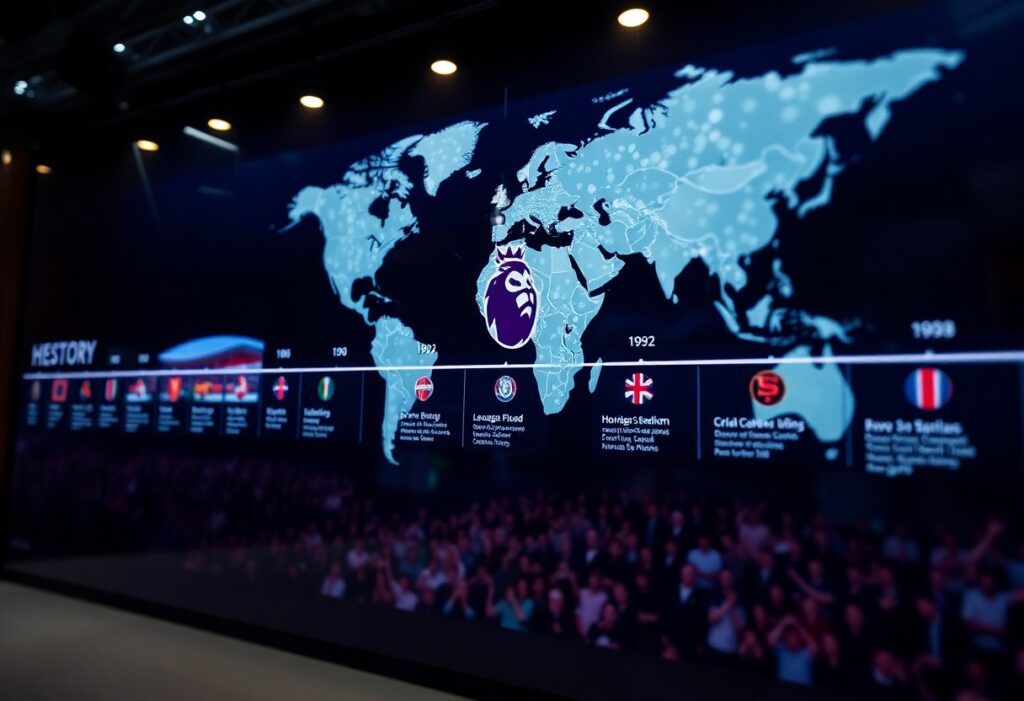
Just as the football landscape transformed in the early 1990s, the Premier League emerged, marking a significant shift in the world of sports. Its founding in 1992 brought a new level of commercial success and international appeal, paving the way for top clubs to attract elite talent and lucrative broadcasting deals. Over the years, the league has evolved into a global behemoth, showcasing thrilling competition and uniting fans worldwide while influencing the structure of football leagues across the globe. This guide explores the fascinating journey of the Premier League from its humble beginnings to its current status as a powerhouse.
The Origins of the Premier League
Born from the need for change in English football, the Premier League emerged in 1992 as a response to economic pressures and rising television revenue. Traditional football clubs sought a more lucrative financial structure that would not only stabilize, but also elevate their competitive standards. The shift marked a departure from the Football League system, aiming for modernity and profitability while showcasing the immense potential of the sport.
Historical Context
By the late 1980s, English football faced challenges, including declining attendances, outdated stadiums, and the aftermath of the Hillsborough disaster in 1989. These events prompted a critical examination of the sport’s structural and operational frameworks, igniting discussions around reform. The English clubs needed to rethink revenue streams and fan engagement, laying the groundwork for a transformative shift.
Formation and Initial Challenges
The inception of the Premier League was marked by significant hurdles. Negotiations involved all 22 top-flight clubs, who had to agree on the new framework. The primary challenge was securing broadcasting rights, which would provide financial support. Initially, some clubs were hesitant, fearing the loss of identity and tradition, while others were enthusiastic about tapping into the commercial potential. Ultimately, consensus was reached, paving the way for a new football era.
In its formative stages, the Premier League faced skepticism and logistical obstacles. Key figures like former Football Association (FA) chairman David Bernstein emphasized the necessity for unity among clubs, often encountering resistance from those who feared the disruption of legacy. The initial broadcasting deal, worth only £191 million over five years, seemed modest compared to later agreements. Nevertheless, it marked the beginning of a new direction, emphasizing commercial viability over mere sporting prowess. Financial disparities between clubs emerged, creating an ongoing conversation about competitive balance-an issue still prominent in discussions surrounding the league today.
Key Types of Changes Over the Years
Changes in the Premier League have primarily revolved around structural, financial, and technological advancements. These key transformations have shaped the league’s landscape, enhancing its professionalism and appeal.
- Structural changes in governance and organization
- Financial growth through sponsorships and revenues
- Technological innovations enhancing gameplay and fan engagement
- Broadcast rights evolution shifting viewership dynamics
- Global outreach and expansion into new markets
After various reinventions, the Premier League stands as a testament to evolution and adaptation.
Structural Changes
The Premier League has undergone significant structural changes since its inception, notably in its governance models and operational frameworks. These transformations have led to increased fan engagement and enhanced competitiveness among clubs, reflecting a more cohesive league identity.
Broadcast and Media Evolution
Broadcasting and media have played a pivotal role in the Premier League’s ascendance, transforming how fans consume football. The introduction of lucrative broadcast deals has amplified the Premier League’s financial clout, with international rights fetching billions. For instance, the 2019-2022 domestic rights deal reached £4.5 billion, illustrating the growing demand. Digital platforms have further diversified viewership, making matches accessible globally. Social media channels like Twitter and Instagram now serve as critical touchpoints for fans, enhancing engagement. As a result, the Premier League’s reach has exponentially expanded, solidifying its position as the leading football league worldwide.
Factors Contributing to Global Dominance
The rise of the Premier League as a global powerhouse can be attributed to several key factors, including international broadcasting rights, player talent, and club heritage. The league’s matchday experience, along with its ability to attract an international fanbase, has cemented its position on the world stage. Additionally, significant investments from foreign ownership have further enhanced its financial capacity and market reach. Perceiving these dynamics allows for a greater understanding of the Premier League’s unparalleled global appeal.
International Investment
A surge in foreign investment has played a significant role in the Premier League’s ascent. Wealthy owners from countries such as the United States, China, and the Middle East have injected billions into clubs, fostering enhanced club facilities and attracting elite talent. The influx of capital not only ensures competitive teams but also elevates the league’s profile worldwide.
Marketing and Branding Strategies
The innovative marketing and branding strategies employed by the Premier League have been central to its global dominance. Initiatives like international tours and strategic partnerships with global brands have expanded its presence in key markets, such as Asia and the Americas. Furthermore, the use of social media platforms to engage fans has enabled clubs to build a loyal following beyond their traditional boundaries.
Marketing efforts include high-profile collaborations and digital campaigns emphasizing accessibility to the league. For instance, the introduction of the Premier League’s official app has created a direct connection between fans and live content, further driving engagement. Each season, tactics such as partnerships with major corporations and tailored merchandise increase visibility across various demographics. These comprehensive strategies ensure that the legacy and allure of the Premier League remain robust, cultivating dedicated fanbases around the globe.
Tips for Understanding Premier League Dynamics
To navigate the intricacies of the Premier League, consider these important tips: prioritize keeping up with player transfers, analyze club rivalries, pay attention to managerial changes, and understand fan culture. Each element plays a significant role in shaping team performances and league outcomes. Recognizing these dynamics will enhance your appreciation of the competition’s depth.
Following Player Transfers
Monitoring player transfers is vital for grasping team strategies. The January transfer window often sees clubs bolstering their squads with new talent, while summer transfers can completely reshape league narratives. High-profile signings, like Jack Grealish’s move to Manchester City, underscore the financial ambitions clubs pursue. The impact of these transfers ripples through team chemistry and performance.
Understanding Club Rivalries
Club rivalries in the Premier League stem from historical, geographic, and competitive factors. For instance, the fiercely contested North West Derby between Liverpool and Manchester United is rooted in regional pride and longstanding competition for dominance. Similarly, the North London Derby ignites the passionate fanbases of Arsenal and Tottenham. These rivalries not only elevate the stakes of individual matches but also fuel league narratives, driving the intensity of the competition across the season.
Step-by-Step Growth of Viewership
| Year | Viewership Growth |
| 1992 | 1 million average viewers |
| 2000 | 4 million average viewers |
| 2010 | 7 million average viewers |
| 2020 | 10 million average viewers |
| 2023 | 15 million average viewers |
Growth in Domestic Audiences
The Premier League has witnessed significant growth in domestic audiences, reflected in escalating television ratings and stadium attendance. The league’s strategic marketing, competitive play, and iconic rivalries drew an increasing number of fans, reaching an average of 15 million viewers in recent years. Key matches often garner record audiences, showcasing the league’s capacity to engage local fandom effectively.
Expansion into International Markets
International viewership for the Premier League has soared due to strategic partnerships and broadcasting rights deals. By tapping into markets in Asia, the Americas, and Africa, the league has expanded its footprint significantly. This growth has been underscored by a focus on local fan engagement and tailored content that resonates with diverse global audiences.
The Premier League has become a dominant force globally, with broadcasting partnerships reaching over 200 countries across six continents. High-profile international matches, promotional tours, and engagement initiatives have fostered loyalty among fans worldwide. In countries like China and India, the league has cultivated vast followings, leading to increased revenue and sponsorship opportunities. Additionally, digital platforms have enabled fans to access content from anywhere, driving viewership to new heights and reinforcing the league’s status as a global entertainment leader.
Pros and Cons of the Premier League’s Evolution
Pros and Cons
| Pros | Cons |
|---|---|
| Increased global viewership | Financial disparity among clubs |
| Enhanced club revenues | Player market inflation |
| Improved facilities and infrastructure | Overemphasis on commercial interests |
| Attracting global talent | Loss of local club identities |
| Heightened competition | Challenges in youth development |
| Technological advancements in broadcasting | Pressure on clubs for instant results |
| Development of a worldwide fanbase | Potential for exacerbating inequalities |
| Engagement through social media | Reduced homegrown talent influence |
Benefits for Clubs and Fans
Clubs have enjoyed significant financial windfalls from increased television rights deals and sponsorship opportunities, allowing investment in player acquisitions and facilities. Fans benefit from greater accessibility to matches via streaming services and international broadcasts, fostering a deeper connection to their clubs. Enhanced infrastructure not only improves matchday experiences, but also boosts overall league quality.
Criticisms and Challenges
While the Premier League’s evolution has brought numerous benefits, it has also attracted criticisms regarding financial imbalances and the potential erosion of traditional club values. The disparity between wealthier and lower-tier teams creates a competitive imbalance, hindering fair competition. Additionally, as clubs strive for global recognition, the focus on commercial interests can overshadow grassroots initiatives and local fan engagement.
The challenges faced by clubs extend beyond simply financial disparities; they include the pressure to achieve immediate success, often at the expense of youth development programs. As teams invest heavily in international players, the opportunities for homegrown talent diminish. Furthermore, the relentless pursuit of commercial growth can lead to a disconnect between clubs and their local communities, with fans feeling sidelined as clubs chase broader global markets. This tension raises serious questions about the sustainability of such rapid evolution within the league.
To wrap up
Ultimately, the Premier League’s journey from its inception in 1992 to its status as a global powerhouse exemplifies the dynamic interplay of sporting excellence, media influence, and commercial strategy. The league’s ability to adapt and innovate has not only captivated audiences worldwide but has also set a benchmark for other leagues to aspire to. As it continues to evolve, the Premier League stands as a testament to the enduring appeal of football, reflecting both the rich traditions of the sport and the demands of a global fanbase.
FAQ
Q: What were the primary reasons for the establishment of the Premier League?
A: The Premier League was established in 1992 as a breakaway from the Football League. Key reasons included the desire for clubs to gain greater control over TV broadcasting rights and ensure increased revenue. This shift aimed to enhance competition and improve the overall quality of football in England.
Q: How has the Premier League achieved global dominance since its inception?
A: The Premier League achieved global dominance through strategic marketing, high-quality football, and the influx of international talent. Its television deals expanded viewership worldwide, while iconic clubs and players attracted attention from diverse markets, making it the most watched league globally.
Q: What impact has the Premier League had on English football and its clubs?
A: The Premier League has significantly transformed English football by increasing financial stability for clubs, improving infrastructure, and elevating the level of competition. It has created a financial model that allows clubs to invest in player development, attracting international stars, and fostering local talent.