The Role Of Technology In Modern Football And Its Impact On The World Cup
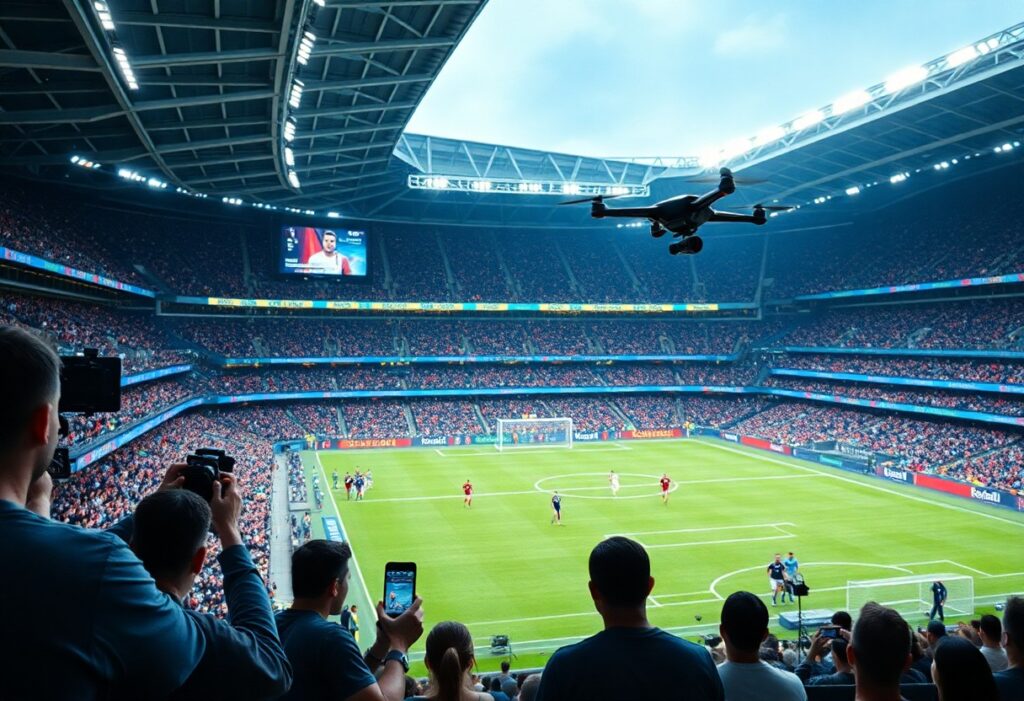
Technology has transformed modern football, enhancing the way the game is played and experienced. Video Assistant Referee (VAR) systems aid in minimizing refereeing errors, while goal-line technology ensures accurate scoring decisions. These innovations aim to provide a fairer playing field, although they sometimes spark debate among fans and players. Additionally, data analytics now influences team strategies and player conditioning, demonstrating technology’s pervasive impact. As we look forward to the upcoming World Cup, the integration of advanced technologies will undoubtedly shape new narratives and outcomes in the sport.
Evolution of Technology in Football
Football’s technological journey began with the introduction of basic tools like chalk lines and wooden goalposts. Over the decades, innovations such as radios for coaches and plastic pitches emerged. Significant milestones include the 1960s emergence of television broadcasts, which revolutionized how fans engage with the sport globally. By the 1990s, the shift into digital technology started affecting training and analysis, setting the stage for the advanced tools utilized today.
Technological Advancements
Recent advancements in technology have dramatically reshaped football’s landscape. From VAR (Video Assistant Referee) systems to goal-line technology, these tools enhance officiating accuracy. Tracking systems with GPS and heart rate monitors optimize player performance, while data analytics transform team strategies. Innovations have also permeated fan engagement, with apps delivering real-time stats and insights.
Technological advancements continue to push the boundaries in football, with increasing reliance on artificial intelligence for player scouting and assessment. For instance, clubs are utilizing AI algorithms to analyze vast datasets, identifying potential talents with unprecedented precision. The use of wearable technology allows for real-time biometric feedback, enabling managers to tailor training regimens to individual player needs. Enhanced viewing experiences through augmented reality apps enrich the fan experience, enabling follower interaction with in-depth analytics during live matches.
Key Technologies Transforming the Game
Technological advancements have revolutionized football, enhancing officiating, player performance, and fan engagement. These innovations not only improve the accuracy of the game’s fundamental aspects but also elevate the overall experience for players and spectators alike. Technologies like Video Assistant Referee (VAR) and Goal-Line Technology are at the forefront, shifting how the game is perceived and ensuring fairness on the pitch.
Video Assistant Referee (VAR)
VAR has become a significant element of modern football, providing referees with video footage to review critical decisions during matches. This technology tackles issues such as penalties, goals, and red cards, aiming for greater accuracy and transparency. Controversies still arise, but VAR’s introduction marks a shift towards enhanced accountability and precision in officiating.
Goal-Line Technology
Goal-Line Technology (GLT) employs sensors to determine whether the ball has fully crossed the goal line. By using high-speed cameras or magnetic fields, it delivers results in real-time, ensuring that goals are accurately awarded. Implemented in major tournaments, GLT has reduced errors that previously led to widespread criticism of referees.
Goal-Line Technology has transformed decision-making in football by providing definitive answers in contentious situations. In the 2014 FIFA World Cup, GLT helped confirm five goals across several matches, eliminating the uncertainty that often plagues pivotal moments of the game. The system operates with less than one second of delay, delivering instantaneous feedback to match officials. Not only has this technology enhanced fair play, but it has also greatly increased the confidence of players and fans in the officiating process.
Data Analytics and Performance Optimization
Data analytics has become integral to modern football, allowing teams to fine-tune their performance through extensive metrics and insights. By leveraging vast amounts of data, clubs can optimize player training regimens and enhance in-game strategies, leading to improved outcomes on the pitch. Advanced technologies such as GPS tracking, wearable sensors, and video analysis systems provide detailed information on player movements, fatigue levels, and individual skill sets, ultimately driving competitive advantage.
Player Performance Tracking
Player performance tracking involves the use of wearable devices and biometric technologies to gather real-time data on athletes during training and matches. This technology measures key metrics such as heart rate, speed, distance covered, and recovery times, helping coaches assess physical condition and optimize individual training. For example, clubs like Manchester City have harnessed these insights to tailor training loads, leading to enhanced player longevity and peak performance during crucial matches.
Tactical Analysis and Game Strategy
Tactical analysis employs data-driven insights to inform coaching decisions and gameplay strategies. Through video analysis and statistical breakdowns, teams can dissect opponent tactics, identify weaknesses, and capitalize on opportunities. Utilizing tools like Opta and STATS, coaches analyze formations, player interactions, and trends in their matches and those of competitors. This strategic approach has allowed teams to implement adaptive tactics, enhancing their chances of success in high-stakes scenarios.
By examining formations and play patterns, coaches can adapt their strategies in real-time. For instance, during the 2018 FIFA World Cup, teams utilized data analytics to scout opponents and adjust tactics accordingly. The adaptability showcased by the French national team allowed them to effectively counter Brazil’s style, ultimately leading to their victory. Through rigorous analysis of prior matches and the identification of key player tendencies, coaches develop strategies that are informed, flexible, and highly effective at the highest levels of competition.
Fan Engagement and Experience
Innovations in technology have significantly reshaped fan engagement, enriching the overall experience for supporters across the globe. Enhanced access to live events, interactive content, and personalized interactions help to forge stronger connections between fans and their teams. From virtual reality experiences to mobile apps that offer real-time updates, technology is setting a new standard for fan involvement.
Enhanced Viewing Experience
Advanced technology allows viewers unparalleled access to every moment of the game. Features such as 4K broadcasts, multi-angle replays, and augmented reality overlays create a captivating environment, keeping fans immersed even from afar. These tools not only clarify pivotal plays but also enhance the emotional connection during thrilling moments like a last-minute goal.
Social Media Integration
Social media platforms have become vital for real-time interaction between fans and teams, fostering a vibrant online community. Live tweets, behind-the-scenes content, and player interactions on platforms like Twitter, Instagram, and TikTok keep users engaged, driving conversation and excitement around matches. Additionally, these digital platforms allow clubs to reach diverse global audiences.
With over 3.5 billion social media users worldwide, clubs are leveraging these platforms for targeted campaigns, live interactions, and fan polls, creating a two-way communication channel. Engaging fans through live Q&A sessions with players or hosting virtual watch parties amplifies the shared experience. Notably, during the last World Cup, the official FIFA account garnered over 30 million followers, demonstrating the power of social media in expanding football’s reach and connecting communities through shared passion for the game.
The Impact of Technology on World Cup Events
Technology has transformed World Cup events, enhancing transparency, efficiency, and fairness. Video Assistant Referee (VAR) systems, introduced in recent tournaments, enable real-time decision-making while minimizing human error. Innovations like electronic performance tracking are providing teams with unprecedented access to data, influencing tactical decisions and player selections. These advancements ensure that not only the best teams compete but also that the outcomes reflect true sporting merit.
Technology’s Role in Recent Tournaments
In the last few World Cups, technology has played a significant role in shaping matches. The introduction of goal-line technology confirmed whether balls crossed the line, preventing contentious disputes. VAR has resolved key moments, such as penalty decisions and offside calls, ultimately impacting match outcomes. Fans are more engaged, experiencing games through enhanced broadcasts and real-time data on player statistics.
Future Implications for World Cups
As technology continues to evolve, future World Cups will likely see a reliance on advancements like artificial intelligence for analyzing player performance and improving coaching strategies. Enhanced fan interaction via virtual reality could transform how supporters experience games, bridging distance barriers and creating immersive environments. The integration of blockchain technology may also streamline ticketing processes, reducing fraud and enhancing security.
Anticipated developments suggest that the integration of technologies like AI and VR will redefine fan experiences, offering new ways to interact with the sport. Enhanced analytics could provide teams with unparalleled insights into opponent tactics, boosting competitive strategies. Furthermore, augmented fan engagement platforms may strengthen connections between global audiences and local teams, promoting a sense of community across borders. Continuous innovation promises significant shifts in how the spectacle of the World Cup is perceived and enjoyed in the future.
Ethical Considerations and Challenges
As technology continues to reshape football, ethical dilemmas emerge, particularly regarding fairness, transparency, and the preservation of the sport’s integrity. Issues related to data privacy for players, potential biases in automated systems, and the implications of heavy reliance on technology in officiating are central to ongoing debates. Striking a balance between innovation and tradition remains a significant challenge for stakeholders.
Technology Access and Equality
The disparity in technology access across various leagues and countries contributes to unequal competition in football. Wealthier clubs and nations can invest heavily in advanced training systems and analytics tools, leaving smaller teams disadvantaged. For instance, while top-tier teams may have real-time performance data, lower division clubs often lack even basic technological support, hindering their ability to compete effectively.
Controversies in Technological Implementation
Instances of controversy have surrounded the deployment of technologies like VAR (Video Assistant Referee), which has sparked debates over its effectiveness and impact on the game’s flow. Criticism has emerged regarding inconsistent decision-making and communication breakdowns during matches, leading to confusion among players and fans alike. High-stakes decisions, such as the disallowed goal in the 2018 World Cup quarterfinals between France and Argentina, highlighted the potential for significant backlash against technological interventions.
Particular matches have ignited widespread criticism concerning the inconsistency and transparency of technological implementation. For example, during the 2019 Women’s World Cup, a contentious VAR decision invalidated a potential U.S. goal, prompting players and fans to question the lack of clarity in the review process. Additionally, the reliance on technology can undermine referees’ authority, leading to divided opinions among purists who believe human judgment should remain at the forefront of the game. As technology evolves, finding a consensus among stakeholders about its role remains a complex issue, with many advocating for improvements in communication and training regarding the use of systems like VAR.
Final Words
The integration of technology in modern football has significantly transformed the dynamics of the World Cup, enhancing accuracy in officiating through VAR and goal-line technology, while also improving fan engagement via digital platforms and analytics. These advancements not only ensure fair play but also enrich the spectator experience, thereby amplifying the global appeal of the tournament. As technology continues to evolve, its influence on performance analysis and player training will likely reshape future competitions, underscoring the importance of innovation in the sport’s ongoing development and its capacity to inspire millions worldwide.
FAQ
Q: How has technology changed the way football matches are officiated?
A: Technology has introduced tools like Video Assistant Referee (VAR) and goal-line technology, allowing referees to review decisions and verify goals with precision. This reduces human error and enhances the accuracy of officiating in matches.
Q: In what ways does technology enhance player performance and training?
A: Technology provides advanced analytics and performance tracking through wearables and video analysis. Coaches and players can monitor metrics such as speed, distance covered, and heart rate, leading to tailored training programs that optimize player fitness and tactics.
Q: What impact does broadcasting technology have on the World Cup experience for fans?
A: Broadcasting technology enhances fan engagement with high-definition images, multiple camera angles, and augmented reality features. This provides viewers with immersive experiences, enabling them to follow the action closely and interact with match statistics in real-time.