How Modern Football Has Transformed The Way Nations Compete At The World Cup?
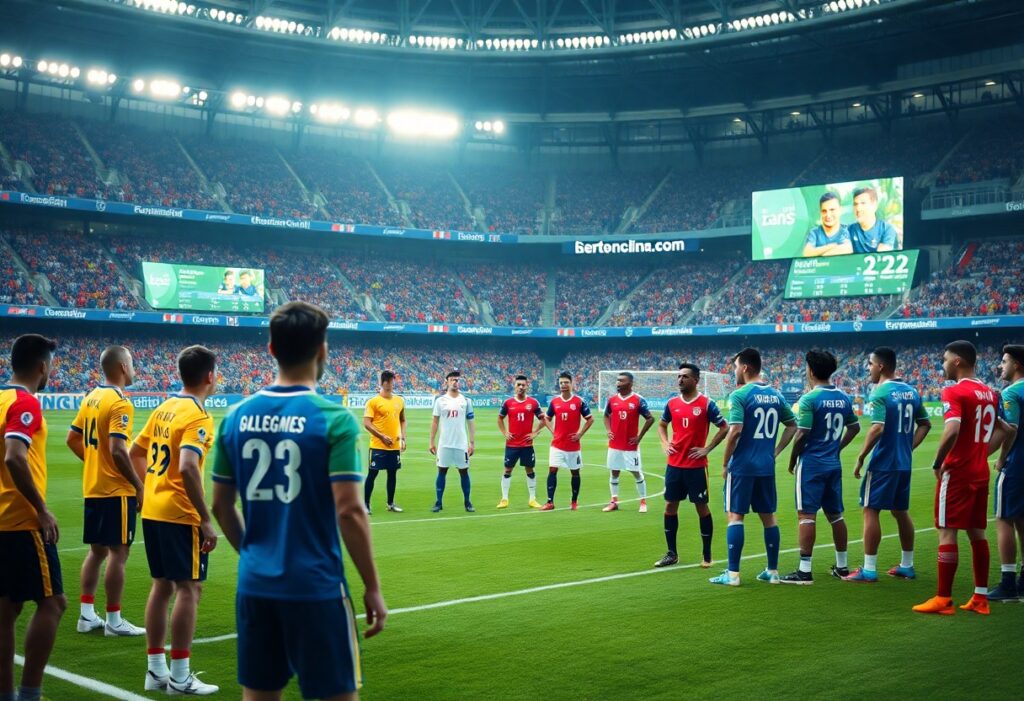
Football has evolved significantly, dramatically shaping the competitive landscape of the World Cup. The introduction of advanced training techniques and analytics has enhanced team performance and strategy, allowing nations to prepare at an unprecedented level. Moreover, the rise of diverse player talent from various leagues has created a more dynamic competition, where skill and athleticism are paramount. Meanwhile, technology plays a vital role, with innovations like VAR impacting decision-making and match outcomes, ultimately transforming how nations approach the ultimate footballing stage.
The Evolution of Football Tactics
Football tactics have evolved dramatically since the sport’s inception, with formations and strategies reflecting the game’s growing complexity. In the early 20th century, the 2-3-5 formation dominated, emphasizing attack at the expense of defense. The arrival of the 4-4-2 and 4-3-3 formations in the late 20th century introduced more balance, allowing teams to transition seamlessly between defense and attack. Evolution continued as coaches began to prioritize fluid movement and positional play, reshaping competitive dynamics on the global stage.
Modern Tactical Innovations
Recent football tactics have become sophisticated, with teams employing concepts like high pressing, zonal marking, and fluid formations. The implementation of data analytics has revolutionized game preparation, allowing coaches to devise strategies tailored to specific opponents. For instance, Pep Guardiola’s use of ‘tiki-taka’ at Barcelona epitomizes the effectiveness of short passing and positional interchange, which helped secure multiple trophies.
Modern tactical innovations emphasize adaptability and dynamic play. Coaches now frequently adjust formations during matches, responding to the evolving game situation. Liverpool’s use of the ‘gegenpressing’ strategy under Jürgen Klopp showcases how quickly regaining possession can disrupt opponents. Historically, players were confined to rigid roles; today’s footballers often interchange positions, blurring traditional boundaries. This flexibility enhances offensive creativity and defensive stability, leading to unpredictable and exhilarating matches on the world stage.
The Role of Technology in Football
Technology has become integral in modern football, influencing training methods, game analysis, and fan engagement. Innovations like goal-line technology ensure accurate decision-making during crucial moments, while advanced tracking systems offer deep insights into player performance and athleticism, changing the dynamics of team preparation and strategy.
VAR and Its Impact on Fair Play
The introduction of Video Assistant Referee (VAR) has reshaped the landscape of officiating, aiming to enhance fair play and minimize human error. Although initially met with skepticism, its ability to review pivotal moments like goals, penalties, and red cards has led to more accurate outcomes, reflecting a commitment to justice on the pitch.
Performance Analytics for Teams
Performance analytics has revolutionized how teams approach the game, utilizing big data to enhance training, tactics, and match preparations. By analyzing metrics such as player movement, shot efficiency, and opposition tactics, coaching staffs gain a more nuanced understanding of strengths and weaknesses, allowing for tailored strategies. Clubs like Manchester City deploy comprehensive data analysis tools, significantly informing player selection and in-game adjustments.
Teams leverage advanced analytics to optimize every aspect of their performance from nutrition to recovery. For example, clubs analyze over 2,000 data points per match, helping coaches identify patterns in player behavior and adjust formations accordingly. This data-driven approach not only enhances individual skills but also fosters overall team cohesion and tactical fluidity. In tournaments like the World Cup, such meticulous preparation often translates to on-field advantages, showcasing the competitive edge provided by technology.
The Globalization of Football
The globalization of football has reshaped the landscape of international competition, bringing together diverse cultures and styles of play. With leagues spanning the globe, players from various nations showcase their talents on international stages, leading to a blend of tactics and techniques previously unseen. Major events like the FIFA World Cup have become melting pots, where local traditions merge with global football philosophies, ultimately influencing national squads and strategies.
Cross-Cultural Influences
Cultural exchanges through football have enriched the game, with players adopting skills and styles from different backgrounds. For instance, the flair of Brazilian dribbling techniques has inspired players worldwide, while European tactical discipline has been integrated into Latin American gameplay. This constant cross-pollination fosters a more dynamic and unpredictable game, elevating the excitement for fans and athletes alike.
The Role of International Club Competitions
International club competitions like the UEFA Champions League play a pivotal role in fostering global talent and competition. These tournaments not only elevate club teams’ profiles but also serve as a platform where players from various nations interact, learn, and adapt to different footballing philosophies. For example, clubs draw players from Africa, Asia, and South America, creating diverse rosters that influence national teams as these players bring unique skills and perspectives back to their home countries.
The impact of international club competitions extends beyond player development; they also shape national strategies and styles of play. Players gain experience in high-stakes environments that require tactical intelligence and adaptability, critical elements for success on the international stage. The financial incentives and visibility of these tournaments attract top talents from around the world, increasing competition intensity and establishing a benchmark for national teams to aspire to. Furthermore, clubs like FC Barcelona and Manchester City have demonstrated how nurturing global talents can translate to not just club success but also positively influence national team performance, ultimately elevating the entire sport’s level of play.
The Economic Impact of Football on Nations
The financial influence of football extends far beyond the pitch, significantly affecting national economies. Countries that excel in the World Cup reap benefits from increased tourism, merchandise sales, and global sponsorships. This surge in economic activity creates jobs and enhances infrastructure, ultimately contributing to long-term development and national pride.
Revenue Growth During the World Cup
Revenue streams during the World Cup can soar into the billions, with host nations witnessing a dramatic uptick in tourism and related spending. For instance, the 2014 World Cup in Brazil generated approximately $2 billion in ticket sales alone, alongside significant income from broadcasting rights and sponsorship deals, illustrating football’s potential as a revenue generator.
Investment in Grassroots Football
Investment in grassroots football emerges as a critical factor in long-term national success. Nations recognize that developing young talent not only boosts their chances of success on the international stage but also fosters community engagement and health.
Focusing on grassroots initiatives, many countries are channeling funds into local clubs and youth academies. For example, Spain has invested heavily in its youth programs, leading to a plethora of skilled players emerging in recent years. This dedication often includes building new facilities like training grounds and pitches, while also providing qualified coaching and operational support. Such long-term investments create a sustainable football ecosystem that nurtures future generations of players, ensuring a steady pipeline of talent to compete at international levels.
National Identity and Football
Football serves as a canvas for nations to express their identity, transcending cultural and political divides. The sport often reflects the histories, traditions, and values of a nation, with fans wearing their colors proudly and chanting anthems in unison. Teams embody national spirit, where victories can elevate a nation’s status on the global stage, reinforcing bonds within communities. The aesthetic of gameplay often parallels national characteristics, illustrating a nation’s passionate approach to competition and boasting its unique flair.
Football as a Unifying Force
The World Cup often becomes a rallying point for nations, fostering a sense of belonging among diverse populations. Fans from varying backgrounds come together to support their teams, creating a vibrant tapestry of national pride. This unification extends beyond stadiums, as shared victories or defeats generate a collective experience, intensifying national solidarity. Countries like Brazil and Germany have showcased how football can forge national identity, blending different cultures into one unified spirit during global competitions.
National Pride and World Cup Performance
World Cup success greatly influences national pride, with teams acting as symbols of hope and aspiration. Nations invest heavily in their football programs, viewing each tournament as an opportunity to showcase their talents. For example, in 2018, France’s triumph not only sparked celebrations across the nation but also rekindled a sense of unity and purpose, as diverse communities rallied around the team, showcasing their multicultural identity. National performance at the World Cup resonates deeply, reflecting societal values and the pursuit of excellence.
National pride significantly hinges on World Cup performance; a strong showing can ignite national sentiment and inspire younger generations. Historical performances, such as Germany’s four titles and Brazil’s five victories, not only enhance sporting legacies but also contribute to economic boosts, tourism increases, and a reinvigorated national identity. Success on the world stage often translates into societal cohesion, as citizens rally behind their teams, reinforcing unity in times of celebration or hardship. Events like championships become moments of collective pride, etching lasting memories within a nation’s consciousness.
The Future of Football Competition
The landscape of football competition continues to evolve, driven by technological advancements and shifting global dynamics. Nations are increasingly leveraging analytics, artificial intelligence, and data-driven approaches to enhance player recruitment, coaching strategies, and match preparations, which will undoubtedly shape future World Cup outcomes.
Emerging Football Nations
Countries like Qatar, Japan, and Senegal are showcasing their potential on the global stage, challenging established football powers. Increased investment in grassroots programs, youth academies, and international partnerships has empowered these nations to develop talent capable of competing at the highest levels, indicating a more diverse competition in future tournaments.
Changes in Competition Formats
The structure of international competitions is evolving, with initiatives such as the expansion of the World Cup to include 48 teams from 2026. This shift aims to increase participation, allowing more nations the opportunity to showcase their talents. Furthermore, the introduction of formats like the UEFA Nations League demonstrates a move towards more competitive and engaging fixtures.
Expanding competition formats not only increases the number of participating nations but also fosters a more inclusive environment. For instance, the 2026 World Cup will see a substantial rise in both the number of teams and matches, encouraging underrepresented regions to invest in their football infrastructure. This approach not only heightens the stakes for established football powerhouses but also amplifies opportunities for developing nations to gain experience on the world stage, enhancing the overall competitiveness of international play. The implications of these changes could revolutionize the dynamics of global football, paving the way for surprising outcomes and new rivalries.
Summing up
Considering all points, modern football has significantly reshaped national competition at the World Cup by elevating athletic standards, enhancing tactical sophistication, and fostering global camaraderie. The influx of technology in training and analysis, coupled with the internationalization of player development, has led to a more competitive and entertaining tournament. Furthermore, the financial investments and branding strategies of clubs and federations have transformed national teams into powerful entities. As a result, the World Cup has become a showcase of sheer talent and strategic ingenuity, reflecting the dynamic evolution of football on a global scale.
FAQ
Q: How has the commercialization of football impacted national team preparations for the World Cup?
A: The commercialization of football has introduced significant financial resources for national teams, allowing for better training facilities, enhanced coaching staff, and improved support services. This investment contributes to higher performance levels and sophisticated strategies, transforming how nations approach World Cup tournaments.
Q: In what ways has technology changed the competitive landscape of the World Cup?
A: Technology has revolutionized training, player analysis, and game strategies. Tools such as video analysis software and performance tracking devices help coaches and players refine techniques and tactics. Additionally, VAR (Video Assistant Referee) enhances officiating accuracy, influencing match outcomes and competitive fairness.
Q: How do globalization and player mobility affect national squad dynamics in the World Cup?
A: Globalization allows players to train and compete in various football leagues worldwide, bringing diverse skills and experiences to their national teams. This mobility leads to a richer talent pool and strategic blending of international playing styles, significantly impacting team performance and competition at the World Cup.