How Globalization Has Shaped Modern Football And The Future Of The World Cup?
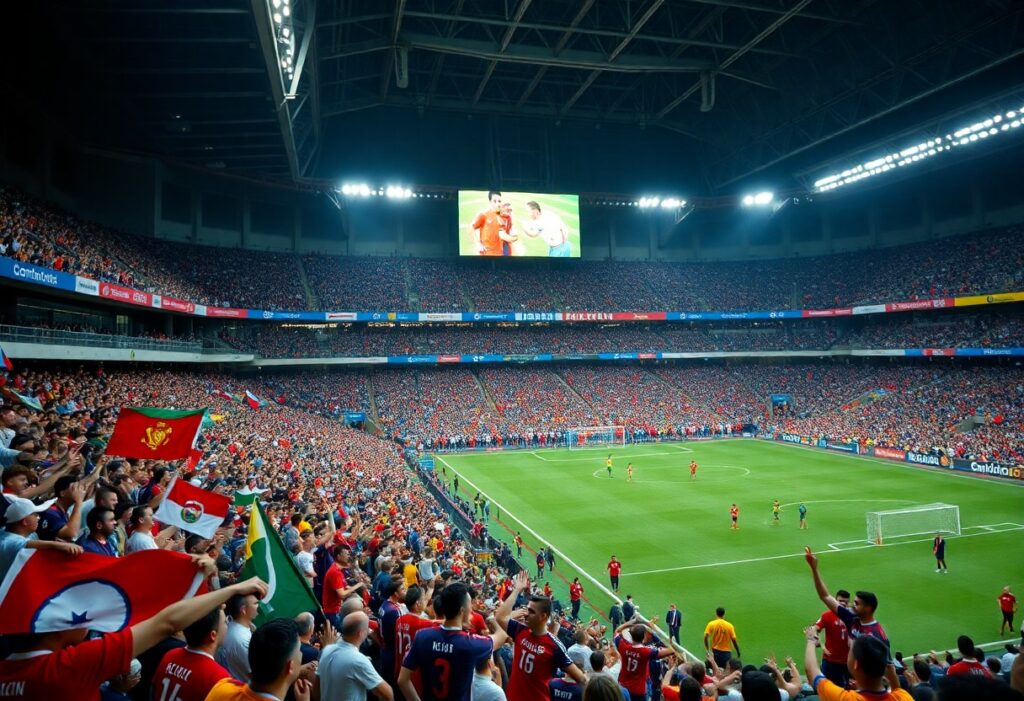
Just as globalization has transformed various sectors, it has also profoundly impacted modern football, reshaping the sport’s dynamics and outreach. The proliferation of communication mediums and international leagues has enhanced player mobility and fan engagement, leading to a diverse cultural exchange. However, it has also introduced commercial pressures that can overshadow local traditions. Looking ahead, the future of the World Cup may witness further international collaboration but will also face challenges related to equity and sustainability in an ever-connected world.
The Evolution of Football in a Globalized World
Football has undergone significant change as globalization has expanded its reach, transitioning from localized games to a worldwide phenomenon. This evolution has not only increased the sport’s visibility but also intensified its commercial appeal, creating new opportunities for players, clubs, and cultural exchanges.
Historical Context of Globalization
The historical backdrop of globalization dates back to the late 19th century, when advancements in transportation and communication linked distant regions. This interconnectedness allowed football to spread from its English origins to various continents, shaping local identities and communities while setting the stage for a global sport.
The Rise of International Competitions
International competitions have catapulted football to a global stage, epitomized by events like the FIFA World Cup, which began in 1930. This tournament not only showcases the world’s best teams but also generates immense revenue, with the 2018 World Cup alone bringing in over $6 billion. Additionally, continental tournaments such as the UEFA Champions League draw audiences from around the globe, highlighting the commercial and cultural significance of the sport today.
The Role of Technology in Football Globalization
Advancements in technology have fundamentally transformed football, enhancing its global reach and accessibility. Innovations such as VAR (Video Assistant Referee) improve fairness and accuracy in decision-making, while data analytics offer teams critical insights into player performance and strategies. Additionally, cutting-edge training and fitness technologies enable clubs to optimize player development, further raising competition levels worldwide.
Media and Broadcasting Changes
The landscape of media and broadcasting has dramatically evolved, creating unprecedented access to football. With the rise of satellite TV and streaming services, matches are streamed live across continents, allowing fans to watch their favorite teams in real time. Major networks and platforms have invested billions for broadcasting rights, underscoring football’s immense global popularity and economic potential.
Social Media Impact
Social media has revolutionized how fans engage with football, enabling real-time interaction and sharing of content. Platforms like Twitter, Instagram, and TikTok allow clubs and players to connect directly with millions of followers, breaking down traditional barriers. These channels not only amplify the game’s reach but also serve as powerful marketing tools, creating global brand ambassadors out of athletes.
The impact of social media extends beyond mere engagement; it shapes narratives and influences public perception. Teams like Manchester City and Barcelona leverage platforms to showcase behind-the-scenes content, fostering a sense of community among fans. Moreover, viral moments, such as outrageous goals or player antics, can instantly draw attention, propelling players into global stardom. Statistics indicate that clubs generating content on social media attract significantly more global followers, which translates into increased merchandise sales and heightened sponsorship deals, illustrating the economic clout of digital presence.
Economic Implications of Global Football
Global football has become a significant economic powerhouse, driving revenue through various channels including broadcasting rights, merchandise sales, and ticket sales. The sport’s valuation has skyrocketed, with estimates suggesting the global football market generates over $40 billion annually. This influx not only supports clubs but also stimulates local economies, showcasing football’s role as a catalyst for growth and employment.
Sponsorship and Marketing Trends
Shifts in sponsorship and marketing strategies have revolutionized how clubs engage with fans and attract investment. Major brands now invest heavily in football, with sponsorship deals exceeding $30 million for top clubs annually. The rise of digital marketing has enabled clubs to cultivate global fanbases, using social media platforms to expand reach and foster consumer loyalty.
Financial Impact on Clubs and Leagues
Financial dynamics within football clubs and leagues have dramatically changed, hinging on globalization trends. Revenue streams have diversified, with clubs leveraging international tours, enhanced merchandising, and lucrative broadcasting contracts. The Premier League, for example, generates upwards of £5 billion per season primarily through international broadcasting rights, providing clubs with unprecedented financial resources for player acquisitions and infrastructural investments.
The financial impact on clubs and leagues is profound, as they navigate an ever-evolving landscape of increased monetary investments and heightened competition. Top-tier clubs frequently engage in multi-million dollar purchases of talent, driven by the global demand for star players. The disparity in wealth between elite clubs and lower-tier teams creates an unbalanced ecosystem, challenging competition integrity and raising eyebrows regarding financial sustainability. For instance, while powerhouse clubs can amass talent and expand facilities, lower-league teams often struggle to keep pace, risking their long-term viability.
Cultural Exchange through Football
Football serves as a powerful medium for cultural exchange, bridging divides and fostering understanding among diverse peoples. Tournament celebrations, such as the World Cup, showcase not only the sport but also the traditions, music, and arts of participating nations, creating a vibrant tapestry of global culture. Fans from various backgrounds unite in shared passion, promoting mutual respect and appreciation through the love of the game. This cross-border interaction enhances cultural ties and heralds new friendships, proving that football is more than just a sport—it embodies a global community.
Global Fan Engagement
With the rise of digital media, global fan engagement in football has skyrocketed. Millions participate in online discussions and social media platforms, transcending geographical boundaries. Clubs and national teams harness these tools to connect with fans worldwide, offering behind-the-scenes content and interactive experiences, which significantly amplify fan loyalty. Major tournaments now attract sponsorships reaching up to $6 billion, demonstrating the tremendous economic impact of this engagement on the sport.
Cultural Influences on Playing Styles
Playing styles in football reflect the rich tapestry of cultural heritage from various nations. Teams incorporate local traditions, training methods, and philosophies, resulting in distinct styles of play. For instance, Brazil’s “samba style” emphasizes flair and creativity, while Germany’s approach showcases precision and organization. As players migrate between leagues, these styles intertwine, leading to a unique blend of techniques and strategies that continuously evolve the game.
Heightened global player mobility has substantially influenced playing styles, with international stars sharing their cultural approaches to the game. This exchange is evident in leagues like the Premier League, where players from Africa, South America, and Europe regularly contribute varying techniques and tactical awareness. For example, the French and Dutch styles, known for their technical skills and fluidity, have integrated into English football, enhancing its overall pace and strategy. The marriage of different playing philosophies creates a dynamic atmosphere in competitions, pushing teams to adapt and innovate as football continues to evolve on the world stage.
The Future of the World Cup
Expanding Participation and Inclusivity
The World Cup is embracing a future focused on expanding participation, aiming to include more nations and diverse demographics. Recent tournaments have seen an increase in qualified teams, with upcoming editions expected to feature more than 48 nations. This shift not only showcases emerging footballing nations but also enhances the competitive spirit and inclusivity of the sport, illustrating FIFA’s commitment to providing opportunities for underrepresented regions.
Potential Changes in Format and Location
Anticipated changes in the World Cup format and location could revolutionize the tournament’s structure and audience engagement. Shifting to a more decentralized model might allow multiple countries to co-host, fostering unity and shared cultural experiences. This approach can facilitate logistical advantages while encouraging regional tourism. Moreover, the introduction of new formats, like a league-style competition, could maintain excitement and unpredictability, necessary for engaging a global fanbase.
The move towards co-hosting multiple regions, as seen in the upcoming 2026 World Cup across the U.S., Canada, and Mexico, sets a precedent. This not only enhances logistical efficiency but also signifies a shift from traditional single-nation formats. A league-style format could further improve engagement by providing fans greater access to matches, increasing the number of competitive encounters, and allowing for more dynamic scheduling. Emphasizing inclusivity through a larger pool of participating teams, along with these new formats, positions the World Cup as a progressive event reflective of its global fanbase.
Challenges and Controversies
While globalization has propelled football into a global phenomenon, it has also surfaced several challenges and controversies threatening the integrity of the sport.
Issues of Corruption and Governance
Corruption scandals, notably surrounding FIFA’s governance, have marred the sport’s reputation, highlighting issues such as bribery and lack of transparency in bidding processes for World Cup tournaments. These breaches have prompted calls for reform and greater accountability, as maintaining public trust is crucial for the sport’s future.
Balancing Commercial Interests with Sportsmanship
The commercialization of football has raised questions about the balance between profitability and the spirit of the game. Corporate sponsorships and media rights deals often prioritize financial gain over fan engagement and fair competition, leading to a sense of disconnection among traditional supporters.
As clubs seek lucrative partnerships, conflicts can arise, compromising the authenticity of the sport. For instance, the perennial struggle to retain local identity amidst global branding has been evident in leagues like the English Premier League. The saturation of advertising and the overwhelming focus on revenue generation can overshadow the essence of competition that fans cherish. Re-evaluating how teams engage with their communities while navigating commercial pressures will be pivotal in preserving the sport’s integrity.
Summing up
With this in mind, globalization has profoundly influenced modern football, reshaping player movements, fan engagement, and media coverage, thereby enhancing the sport’s popularity worldwide. The World Cup, now a transcultural spectacle, reflects diverse footballing styles and unites various nations, signaling its importance beyond sport. As technology advances and international collaborations deepen, the future of the World Cup will likely embrace even broader participation and innovation, further intertwining football with global culture and economics.
FAQ
Q: How has globalization influenced player recruitment in football?
A: Globalization has expanded scouting networks, allowing clubs to find talent in previously underrepresented regions. Players from diverse backgrounds can now join top leagues, enhancing the overall quality and competitiveness of football worldwide.
Q: What impact has globalization had on the World Cup’s format and reach?
A: The World Cup has become a global event, with increased broadcasting rights leading to a larger audience than ever before. The inclusion of more teams and technology has made the tournament more accessible, drawing interest from various cultures and countries.
Q: In what ways might future World Cups reflect global trends in football?
A: Future World Cups are likely to see a greater emphasis on sustainability and inclusivity, with potential hosts adopting eco-friendly practices and prioritizing social issues. Additionally, advances in technology may enhance fan engagement and the viewing experience, further shaping the event’s global appeal.