A Beginner’s Guide To The Premier League: Rules, Structure, And Traditions
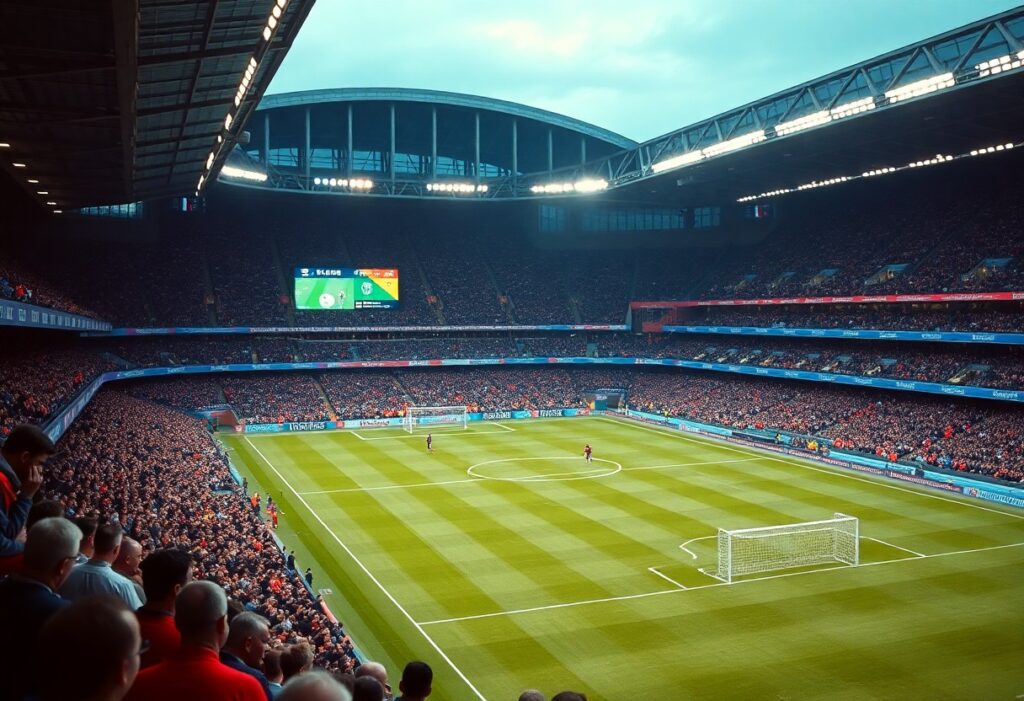
There’s a rich tapestry of history and excitement surrounding the Premier League, making it one of the most popular football leagues in the world. This guide will explore the rules governing gameplay, the intricate structure of the league, and the vibrant traditions that define the experience for fans and players alike. Understanding these elements is vital for anyone looking to engage with this beloved competition, whether you’re a new fan or a seasoned viewer. Dive in to uncover the essence of this sporting phenomenon.
Overview of the Premier League
The Premier League, established in 1992, stands as the pinnacle of English football, attracting global attention and a diverse array of talent. With 20 teams competing annually, it provides a thrilling spectacle characterized by intense rivalries and dramatic matches. Its format promotes both competition and entertainment, showcasing the best of football in the UK and solidifying its place as one of the leading leagues worldwide.
Structure and Format
The Premier League operates on a system of promotion and relegation with the English Football League (EFL). Each season consists of 38 matches for each team, playing one another twice. Points are awarded based on match results-3 for a win, 1 for a draw, and none for a loss. At the season’s end, the bottom three teams are relegated to the EFL Championship, while the top teams qualify for prestigious European competitions.
| Team Matches | 38 |
| Relegation | 3 bottom teams |
| Points for Win | 3 |
| Points for Draw | 1 |
| Season Length | August to May |
Types of Competitions
The Premier League features various competitions beyond the league itself, including domestic and international tournaments. Teams compete in the FA Cup, a knockout tournament featuring clubs from all levels, and the EFL Cup, which allows for additional matches against lower-tier teams. Moreover, qualifying for UEFA tournaments provides opportunities for clubs to compete on a continental stage, heightening the prestige of English football.
| FA Cup | Knockout format, all levels |
| EFL Cup | Similar to FA Cup, fewer teams |
| UEFA Champions League | Top teams compete, prestigious |
| UEFA Europa League | For teams not in Champions League |
| Domestic Competitions | Various, including community shield |
Rules of the Game
Understanding the rules of the game is crucial for appreciating the action on the pitch. The Premier League follows FIFA’s Laws of the Game, which detail how football is played, including aspects such as fouls, offside, and goal scoring. Key rules include the implementation of VAR (Video Assistant Referee) to aid referees in critical decisions, while the match duration is typically 90 minutes, divided into two halves of 45 minutes each.
Fundamental Rules
The fundamental rules dictate the basic conduct of play. Matches begin with a kickoff, and teams aim to score goals while adhering to regulations regarding player conduct, such as avoiding physical fouls. Offside rules penalize attackers who position themselves beyond the last defender when the ball is played, designed to promote a fair contest and strategic play.
Fair Play and Sportsmanship
Fair play and sportsmanship remain central to Premier League values, with teams encouraged to respect opponents, officials, and the spirit of the game. Players are often commended for acts of sportsmanship, and clubs emphasize conduct on and off the field, fostering a positive environment.
Promoting fair play has tangible outcomes in the Premier League, as seen through the Fair Play Award, awarded to the team demonstrating the best sportsmanship each season. Referees assess player behavior, rewarding teams that exhibit respect, such as acknowledging opponents after a foul or assisting injured players. This commitment to integrity and mutual respect enhances the overall quality of the competition, establishing a positive example for aspiring footballers.
Understanding Promotion and Relegation
The dynamic nature of promotion and relegation in the Premier League adds excitement and unpredictability to the competition. Each season, the teams that finish at the bottom of the table drop to the lower Championship division, while others from the Championship vie for the chance to ascend to the top tier. This system maintains fierce rivalries and ensures that the Premier League remains highly competitive, as clubs must always fight for every point to avoid relegation.
Promotion to the Premier League
Promotion to the Premier League involves a rigorous battle in the Championship, where the top two teams at the end of the season automatically advance. Additionally, a third team gains promotion through the playoff process, which includes the clubs finishing from third to sixth in the Championship. The playoff final, often referred to as the ” richest game in football,” determines which team secures the final spot in the Premier League.
Relegation Process
The relegation process in the Premier League dictates that the three lowest-placed teams at the end of each season are demoted to the Championship. This high-stakes environment encourages teams to perform consistently, as just a few losses can result in a heartbreaking drop in league status. Clubs in the relegation zone often face significant financial challenges, including a reduction in broadcasting revenue and sponsorship deals upon relegation.
Relegation severely impacts clubs both on and off the pitch. Losing Premier League status means not just diminished income from media rights-typically a club earns approximately £100 million in annual TV revenue-but also the risk of losing key players and staff who seek to remain in the top tier. For example, in the 2021-2022 season, Norwich City and Watford struggled and faced immediate relegation, which put immense pressure on their finances and future strategies. The consequences of relegation highlight the need for teams to diversify income streams and invest wisely to remain competitive.
Traditions of the Premier League
The Premier League is rich with traditions that enhance its allure, from the iconic “first goal of the season” to the exhilarating atmosphere during the final day of matches. Clubs often hold special ceremonies for legends and milestones, emphasizing their historical significance. Matchday rituals, including anthems and chants, create a unique tapestry, blending local culture with a sense of belonging among supporters, ensuring that each season feels both familiar and extraordinary.
Fan Culture and Rivalries
Fan culture in the Premier League is vibrant, marked by intense rivalries that shape the narrative of each season. Matches between clubs like Manchester United and Liverpool or Arsenal and Tottenham are laden with history, passion, and fierce competition. Fans engage in spirited banter and elaborate displays of loyalty, creating a charged atmosphere that elevates the experience, making each encounter more than just a game.
Matchday Experience
The matchday experience in the Premier League captivates millions, from the pre-game build-up to the final whistle. Fans gather in and around stadiums hours before kick-off, engaging in festivities and socializing with fellow supporters. The collective anticipation heightens as teams emerge onto the pitch, with chants echoing and flags waving, creating an electric atmosphere that is unmatched in sports.
The matchday itself features a symphony of excitement. Inside stadiums, fans partake in traditional rituals, such as singing club anthems and watching pre-match highlights. Food stalls serve local delicacies, while merchandise stands offer the latest gear. The atmosphere reaches a crescendo as players are introduced, and fans celebrate spontaneous moments of joy together. Clubs often host activities for families, fostering a sense of community. This holistic experience, combined with the unpredictable nature of the match, makes attending a Premier League game a memorable event for supporters of all ages.
Essential Tips for New Fans
To truly immerse yourself in the Premier League experience, it’s imperative to engage with its vibrant culture. Here are some top tips for newcomers:
- Choose a team: Picking a club to support brings excitement and camaraderie.
- Watch matches: Tune in regularly to grasp the flow and dynamics of the games.
- Join fan communities: Connect with other supporters to share insights and passion.
- Follow player news: Stay updated on transfers, injuries, and performances.
Perceiving the game’s nuances will enhance your appreciation for it.
Following Your Team
Becoming a dedicated supporter involves more than just watching games; it’s about engaging with your chosen club’s journey. Attend matches when possible, wear your team’s colors proudly, and participate in discussions on social media platforms. Understanding your team’s history and rivalries adds depth to your support, creating a stronger emotional connection as you follow their successes and challenges throughout the season.
Understanding the Schedule
Navigating the Premier League schedule demands attention to detail due to its complexity. Matches typically take place from August to May, featuring clubs playing each other twice, home and away. It’s beneficial to be aware of key dates, such as matches during holiday periods and international breaks. Additionally, fixtures may change due to television broadcasting rights or cup competitions, so regularly checking updates through official league channels is imperative for keeping up.
Understanding the schedule includes being familiar with kick-off times, typically on weekends and occasionally midweek, with games staggered to maximize television viewership. Notably, key match days like Boxing Day showcase multiple fixtures. New fans should also pay close attention to momentous events, such as derbies and title deciders, which often generate heightened excitement and fanfare. Regularly consulting the Premier League’s official website and other reliable sources ensures you won’t miss out on any thrilling encounters throughout the season.
Key Factors Influencing Success
Success in the Premier League hinges on several key factors. Teams must effectively manage their financial resources, ensure proper player development, and foster a cohesive team culture. Direct investment in talent and infrastructure can lead to higher performance and better results. The ability to adapt to changing circumstances, such as injuries or managerial changes, also plays a significant role. After considering these elements, teams can formulate strategies to capitalize on opportunities for success.
Financial Aspects
The financial landscape of the Premier League greatly impacts team success. With lucrative broadcasting deals and sponsorship opportunities, clubs can invest significantly in player acquisitions and facilities. For instance, the 2021 season saw clubs collectively earn over £3 billion from TV rights alone. These funds empower teams to attract top talent, though financial mismanagement can lead to severe implications, as exemplified by clubs facing relegation or administration.
Player Development and Scouting
Player development and scouting are vital components of long-term success in the Premier League. Clubs invest heavily in youth academies, focusing on nurturing homegrown talent to ensure a steady pipeline of players, thus reducing transfer market dependency. An example is Chelsea’s academy, which has produced numerous first-team players, significantly enhancing team performance while managing costs.
Investment in scouting networks has become equally important, as clubs now seek international talent from diverse regions. Comprehensive scouting reports and analytics help identify potential stars before they achieve fame. The success of players like Mohamed Salah, who was scouted by Liverpool from Fiorentina, showcases the benefits of strategic scouting. Developing young talent not only enhances on-field performance but can also lead to substantial profits through player sales, reinforcing the financial health of clubs.
Pros and Cons of the Premier League
| Pros | Cons |
|---|---|
| High-quality competition and performance | Increasing financial disparity among clubs |
| Global fan base and extensive television coverage | Pressure on players and managers |
| Attracts top talent from around the world | Risk of relegation for lower-performing teams |
| Strong youth development initiatives | Potential for inflated player salaries |
| Thriving matchday atmosphere | Commercialization overshadowing local cultures |
| History and tradition enrich the experience | The challenge of maintaining integrity in officiating |
| Significant investment in infrastructure | Shortened fixtures and travel burdens |
| Strong rivalries boost fan engagement | Disillusionment with VAR decisions |
| Opportunities for international tournaments | Limited domestic cup competition success |
| Cultural impact through diversity | Potential burnout for players |
Advantages for Teams and Fans
The Premier League offers numerous advantages, particularly for teams and fans alike. Clubs benefit from financial investments, sponsorship deals, and lucrative broadcasting rights, enabling them to attract top players and coaches. For fans, the excitement of watching world-class talent and competitive matches is unparalleled. The atmosphere at games, enhanced by passionate supporters, fosters a sense of community that transcends geographical boundaries, drawing in millions of fans worldwide. Moreover, the rich history and traditions associated with clubs create a unique and engaging experience for everyone involved.
Criticisms and Challenges
While the Premier League is celebrated for its intense competition, it faces significant criticisms and challenges. The financial divide between top-tier clubs and lower-ranked teams has widened, making it difficult for smaller clubs to compete. Additionally, the pressure on players and managers can lead to burnout, impacting performance and mental health. Fans also voice concerns over the commercialization of the league, fearing that local traditions may be overshadowed by corporate interests. Lastly, controversies surrounding officiating, particularly with the introduction of VAR, have further complicated the viewing experience.
Addressing these criticisms requires thoughtful dialogue and actions from governing bodies, clubs, and fans. The increasing financial disparity often leaves smaller clubs struggling to remain competitive, potentially undermining the essence of the league, where any team can triumph over another on any given matchday. Efforts to promote financial fair play and support grassroots initiatives could help level the playing field. Also, managing player welfare is vital for sustaining the league’s overall quality and ensuring that the excitement does not come at the expense of athletes’ well-being. Balancing commercial interests with preserving the sport’s integrity remains a challenge for the Premier League moving forward.
Q: What is the structure of the Premier League?
A: The Premier League consists of 20 teams that compete against each other in a round-robin format, where each team plays 38 matches in total. The season runs from August to May, with each team playing every other team twice, once at home and once away. The team with the most points at the end of the season is crowned the champion.
Q: What are the basic rules regarding promotion and relegation?
A: At the end of each season, the bottom three teams in the Premier League are relegated to the EFL Championship, while the top three teams from the Championship are promoted to the Premier League. This system ensures a competitive balance and gives lower-tier teams the chance to compete at the highest level.
Q: What are some key traditions of the Premier League?
A: The Premier League has several traditions, including the clubs’ unique anthems and the custom of fans creating a lively atmosphere at matches. Additionally, the league has a strong focus on rivalry matches, known as derbies, which are highly anticipated games between local teams. The annual Christmas fixtures, where teams play multiple matches in a condensed period, are also a notable tradition.