How The 2026 World Cup Is Shaping The Future Of Global Football?
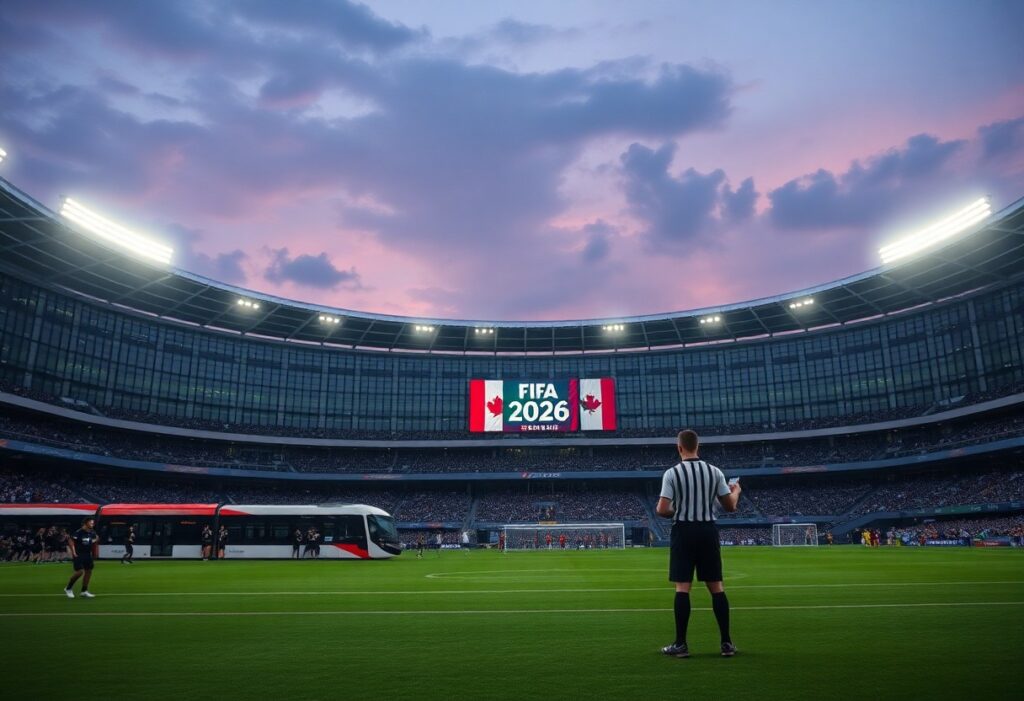
Football is entering a new era as the 2026 World Cup reshapes competition, economics, and global exposure; the 48-team format expands opportunity while creating a logistical strain on infrastructure and climate risks, and hosts must manage complex scheduling and security; simultaneously the tournament drives unprecedented investment and broader representation, accelerating youth development, broadcasting reach, and commercial models that will define global football for decades.
The Evolution of World Cup Hosting
Since the inaugural 1930 tournament in Uruguay with 13 teams, hosting evolved from compact, single‑country events to multinational spectacles. Postwar expansion and television revenues drove format changes-1982 to 24 teams, 1998 to 32, and now 2026’s 48‑team era. Milestones such as 2002 Korea/Japan co‑hosting and 2010 South Africa reshaped expectations, while commercialisation prompted stadium booms, legacy debates over infrastructure costs, and stricter bid scrutiny.
Expansion of Participating Nations
The shift to 48 teams adds 16 nations and raises total matches from 64 to 104, markedly increasing tournament reach. This expansion creates more qualification slots for underrepresented regions, incentivises federations to invest in development, and forces adjustments to seeding and format to balance inclusivity with competitive quality.
Practical effects are already visible: the three hosts received automatic berths, altering CONCACAF dynamics, while broadcasters and sponsors priced rights around the expanded schedule. Federations are accelerating youth programmes to exploit new opportunities, even as analysts flag risks of fixture congestion and potential dilution of top‑level matches, making qualification reform and competitive safeguards vital.
Technological Advancements in Football
Adoption of advanced tracking, AI analytics and stadium networking is shifting how matches are played, managed and consumed. Semi‑automated offside and high‑frequency player tracking deliver millimetre‑accurate positioning, clubs use GPS and machine‑learning load models to reduce injuries, and edge computing paired with 5G enables real‑time tactical overlays for coaches. These systems are turning raw data into actionable inputs for substitutions, set‑piece design and medical interventions across the professional game.
Innovations in Game Play
Semi‑automated offside (SAOT) from Hawk‑Eye, introduced at the 2022 World Cup, sped up decisions to roughly 25 seconds and raised accuracy; VAR workflows continue to refine human review. Clubs increasingly rely on tracking data and xG models to quantify pressing intensity and passing lanes, while AI tools simulate opponent adjustments, letting analysts test tactical scenarios in minutes rather than days.
Fan Engagement and Experience
Stadiums for 2026 are deploying 5G, augmented‑reality replays and personalized second‑screen apps to deliver multi‑angle, sub‑second highlights and bespoke camera feeds to fans’ phones. Broadcasters and FIFA+ plan interactive stats overlays, real‑time polls and multilingual micro‑streams, shifting viewership from passive watching to active participation and monetizable engagement.
Venue operators and carriers (Verizon, AT&T, Rogers and partners) are building dense Wi‑Fi and edge compute platforms to support tens of thousands of concurrent connections, in‑seat ordering and contactless entry. Clubs will test dynamic AR experiences, loyalty gamification and data‑driven hospitality upsells, but these gains come with heightened privacy and security risks around biometric access and fan profiling that regulators and clubs must address.
Innovations in Gameplay and Technology
Semi-automated offside, first trialed at the 2022 World Cup using 12 dedicated tracking cameras and a sensor in the ball, is being scaled for 2026 to deliver faster, more consistent calls and integrate with broadcast AR. Broadcasters and venues are rolling out 5G and 8K multi-angle feeds for instant replay and tactical overlays, while clubs use wearable GPS and load-management platforms to monitor players and mitigate heat and fatigue risks at summer venues.
VAR and Other Technological Advances
VAR workflows are shifting toward centralized review hubs and AI-assisted pre-flagging to shorten stoppages; semi-automated systems already cut offside decision time to about 3 seconds. Protocols now mandate synchronized camera calibration and clearer communication channels between on-field referees and VAR, while the proposed integration of wearable biometrics into decisions raises privacy and competitive integrity concerns that federations must resolve.
Tactical Developments Influenced by the World Cup
National teams changed shape and tempo after recent tournaments: Morocco (2022) validated compact low blocks and rapid counters, Argentina combined patient build-up with targeted pressing, and several squads adopted 3-5-2/4-3-3 hybrids to exploit wing-back overloads. Coaches increasingly use data to design high-intensity pressing windows and rotation plans, but that increased intensity also raises injury risk across crowded club calendars.
Coaching staffs now lean on metrics like PPDA (teams target PPDA <8 for elite press phases), xG maps to prioritize shot locations, and GPS-derived sprint counts (commonly 20-35 high-intensity runs per 90) to structure substitutions and recovery. Teams script 8-12 set-piece routines per match using analytics, and match-planning blends opponent heatmaps, transition triggers, and defined 6-10 minute pressing windows to exploit observed fatigue patterns.
Global Expansion of Football
With the 2026 tournament stretching across 22 host cities and a 48-team, 104-match format, the World Cup is accelerating global reach: sponsorships now target pan-American audiences, talent pipelines are shifting as scouts attend MLS and CONCACAF fixtures, and organizers face increased logistical and environmental pressures from transcontinental travel and concurrent domestic calendars.
Growth in North America
Hosting across the U.S., Canada and Mexico has driven concrete investment: 16 U.S. venues including MetLife and SoFi, a surge in stadium upgrades, and high-profile signings like Lionel Messi to Inter Miami that boosted media attention and ticket demand; simultaneously, MLS’s landmark global streaming partnerships and expanded academies are converting casual viewers into sustained fans.
Implications for International Markets
Expanded slot allocations (e.g., CAF 9, AFC 8, CONMEBOL 6, UEFA 16, CONCACAF 6, OFC 1 plus playoffs) widen representation, creating new broadcast rights markets, sponsorship opportunities in Africa and Asia, and accelerated player export pipelines from emerging nations to top leagues.
In practice, national breakthroughs-such as Morocco’s 2022 exposure-translate into measurable transfer activity and scouting investment across West Africa and the Middle East; meanwhile broadcasters in India and parts of Africa are renegotiating rights, but federations must manage infrastructure gaps and potential market saturation to convert visibility into long-term commercial growth.
Economic Impacts on Host Nations
With 16 host cities across the United States, Mexico and Canada and 104 matches on the calendar, the 2026 World Cup concentrates short-term spending on lodging, transport and hospitality while promising longer-term urban renewal; analysts project significant job creation and tourism revenue but warn of long-term maintenance costs and uneven regional gains that could leave some cities carrying legacy liabilities.
Infrastructure Development
Many venues are existing NFL and MLS stadiums, reducing pure construction needs, yet cities must upgrade transit, airports and hotels to absorb peak flows; Mexico City is planning stadium renovations while U.S. host cities are investing in subway extensions and airport capacity, producing immediate construction jobs and potential lasting transit benefits if tied to local planning rather than one-off event fixes.
Financial Gains and Sponsorships
The expanded format creates more broadcast inventory and corporate hospitality, increasing the value of sponsorship packages; global partners like long-standing FIFA sponsors will gain extra exposure across North American markets, driving higher commercial revenues for rights holders and local organizers while amplifying pressure on ticket allocation and hospitality pricing.
Specifically, 104 matches across three countries widen prime-time windows for broadcasters and create granular local sponsorship opportunities-national partners, city-level sponsors and venue naming rights all scale up. Past tournaments produced multi-billion-dollar commercial returns; for 2026, greater U.S. viewership and extended matchdays should lift media rights and hospitality margins, but cities must manage revenue-sharing agreements carefully to avoid public budget shortfalls and ensure corporate gains translate into community investment.
Social and Cultural Influences
Expanding to 48 teams and 22 host cities, the 2026 World Cup intensifies cultural exchange across North America: multilingual fan zones, diaspora-driven support networks and curated city showcases will amplify local traditions to a global audience. Major tournaments now shape tourism patterns and national branding-positive: broader representation and economic opportunity; dangerous: cultural commodification and pressure on heritage sites.
Diversity and Inclusion in Football
Allocation increases for AFC and CAF within the 48-team format open concrete pathways for more Asian and African nations to compete, while initiatives like FIFA Forward (>$1B since 2016) fund youth academies, referee training and anti-discrimination programs. This drives greater coaching and player diversity, yet positive: expanded opportunity for underrepresented countries coexists with dangerous: tokenism and unequal resource distribution.
Community Engagement
Host cities are embedding legacy requirements: stadium upgrades paired with community sports centers, volunteer mobilization of tens of thousands, and school outreach targeting underserved neighborhoods. Local organizing committees promise job pipelines and skill training-positive: long-term facilities and workforce development, but dangerous: displacement and cost overruns if oversight falters.
For instance, organizers now attach funding to measurable legacy metrics and community advisory boards, mandating local hiring clauses, coach education and conversion plans for temporary venues. Past events show sustained grassroots gains when legacy commitments are enforced, so positive: verifiable social returns can be achieved, while dangerous: unmet promises and budget overruns risk eroding public trust.
Youth Development and Grassroots Programs
Federations are redirecting 2026-driven funding into youth leagues and coach education; the 48-team expansion and tri-host staging (USA/Canada/Mexico) create more pathways to elite exposure. Programs like Ghana’s Right to Dream and Ivory Coast’s ASEC Mimosas academy demonstrate proven pipelines to European clubs, while FIFA and confederation grants underwrite facility upgrades. Simultaneously, the risk of talent drain to wealthier leagues forces policymakers to balance export gains with strengthening domestic competitions.
Long-term Benefits for Growing Nations
Expanded World Cup access converts into durable gains: Morocco’s 2022 semifinal run increased international scouting and sponsorship interest, and post-2002 Japan/Korea hosting catalyzed professional league development. Greater exposure yields improved FIFA rankings, higher youth enrollment and new commercial revenue, enabling federations to commit to multi-year academy budgets and systematic coach licensing programs that raise national standards.
Investment in Local Football Initiatives
Local projects blend stadium-linked training hubs, grassroots leagues and coach education, often co-financed by FIFA Forward and regional confederation grants. Examples include North American host cities allocating training complexes and academies formalizing school-to-club pathways; immediate benefits show up as more scouting visits, professional contracts for youth graduates, and smoother transitions to senior squads.
Deeper investments target coach licensing (national and UEFA-equivalent courses), talent ID camps in underserved regions, and scholarships that keep prospects in structured programs. Federations now track KPIs-academy graduation rates, youth-to-pro conversion and export figures-to measure ROI, justify continued 2026 funding, and adjust programs to retain local league quality while feeding the global market.
The Future Landscape of Global Football
Shifts in governance, competition and commerce are creating a more fragmented but opportunity-rich ecosystem: the 48-team format and 104 matches spread across 16 host cities in the US, Canada and Mexico magnify broadcast reach, accelerate stadium upgrades and force federations to rethink calendars, youth investment and travel logistics to capture new markets and talent pools.
Emerging Trends
Data shows accelerating adoption of AI-driven scouting, player-tracking analytics and stadium-edge 5G to power personalized fan experiences; meanwhile league strategies-MLS expansion, Liga MX partnerships and concerted investment in academies-are converting tournament exposure into permanent talent pipelines and diversified sponsorships for both men’s and women’s programs.
Predictions Post-2026
Expect bigger broadcast deals and commercial packages, more federations allocating budget to elite youth programs, and rising tension between clubs and national teams over player workload; simultaneously the tournament’s scale will create lasting infrastructure legacy in host cities but also elevate short-term fiscal and scheduling risks.
Specifically, national federations inspired by examples like Morocco’s 2022 run will increase qualifying investment, CAF and AFC will deepen scouting networks, and broadcasters will demand more global windows-prompting talks of calendar reform to curb injuries and fixture congestion while maximizing revenue for reinvestment into grassroots and women’s leagues.
Environmental Sustainability and Responsibility
Across North America, the 2026 tournament’s scale-48 teams, 80 matches across 16 host cities-amplifies both opportunity and risk: long-haul fan and team travel can sharply increase emissions, while relying on existing stadiums cuts embodied-carbon from new construction. Hosts are prioritizing renewable match-day power, upgraded transit links, and advanced waste-diversion systems to limit footprint. Transparent emissions tracking and third-party verification will determine whether the event delivers a net positive environmental legacy.
Eco-friendly Practices in Event Planning
Organizers are implementing zero single-use plastics, stadium-level renewable energy procurement, electrified logistics fleets, and scalable composting to minimize match-day impacts. Digital ticketing and cashless concessions cut paper waste; coordinated transit schedules aim to raise public-transport mode share for fans. Suppliers face tighter sustainability clauses in contracts to limit upstream emissions, while real-time waste-sorting and anaerobic digestion pilots turn food waste into energy at select venues.
Long-term Environmental Goals for Global Football
Beyond the tournament, football governance bodies and host cities are aligning on net-zero or carbon-neutral targets for major events and building legacy public transport and stadium retrofits into bid obligations. Strategic investments-energy-efficient HVAC, LED lighting, and green procurement-are expected to reduce operational emissions over decades. Standardized reporting will allow comparisons between events and ensure the 2026 World Cup becomes a template for lower-carbon global football.
Adoption of frameworks like ISO 20121, mandatory supply-chain sustainability clauses, and transparent carbon accounting will turn ambitions into measurable actions; federations are planning multi-year emissions baselines, fan-travel modal-shift programs, and nature-based offsets tied to community reforestation. Public-private funding aims to scale stadium retrofits and electrified transport infrastructure, ensuring emissions cuts persist beyond 2026 and embed environmental responsibility into routine football operations.
Conclusion
Now the 2026 World Cup is accelerating infrastructure upgrades, cross-border hosting models, broadcast and commercial innovations, and talent development programs that reshape competition and governance across continents. By expanding markets, testing hybrid scheduling and sustainability measures, and pushing federations to modernize operations, the tournament sets new standards for inclusivity, investment flow, and global talent pipelines, steering football toward a more interconnected, commercially mature future.
FAQ
Q: How will the 2026 World Cup’s expanded 48-team format affect stadiums, transport and long-term infrastructure in host cities?
A: The 48-team format increases the number of matches and host cities across the U.S., Canada and Mexico, driving investment in stadium renovations, training facilities and local transport links. Host cities are upgrading transit, airport capacity and fan zones to manage higher travel volumes and to convert temporary World Cup infrastructure into community assets like youth pitches and multiuse venues. Many investments are being planned with legacy use in mind: improved public transit, hotels, and broadcast facilities that support future domestic and international events. Coordinating cross-border logistics also pushed harmonization of event security, customs processing and medical response systems, leaving behind frameworks that make future multinational tournaments easier to stage.
Q: In what ways is the 2026 World Cup changing broadcasting, sponsorship and the fan experience?
A: Expanded match inventory multiplied broadcast and streaming opportunities, prompting global media rights deals that emphasize multi-platform delivery, localized feeds and interactive content. Broadcasters and sponsors are deploying more personalized and real-time experiences-second-screen apps, AR/VR highlights, advanced stats and targeted advertising-while stadiums are rolling out enhanced connectivity, cashless payments and dynamic ticketing to improve in-person attendance. The tournament also accelerated data-driven fan engagement, greater use of social platforms for short-form content and new commercial models for sponsors seeking year-round activation rather than single-event visibility.
Q: What impact will the tournament have on player development, competitive balance and football governance worldwide?
A: With more nations qualifying, smaller federations gain exposure, competitive experience and incentive to invest in youth academies and coaching, widening scouting networks and talent pipelines. Increased FIFA and confederation funding tied to development programs encourages long-term investment in coaching education, facilities and women’s football. At the same time, calendar congestion and heavier club-season workloads highlighted player-welfare concerns, accelerating discussions about international windows, squad management and transfer timing. Governance-wise, the tri-nation hosting model advanced new coordination mechanisms for revenue sharing, match operations and regulatory alignment that are likely to influence how future bids and continental cooperation are structured.