World Cup 2026 Fixtures: Best Matches to Watch & Key Dates
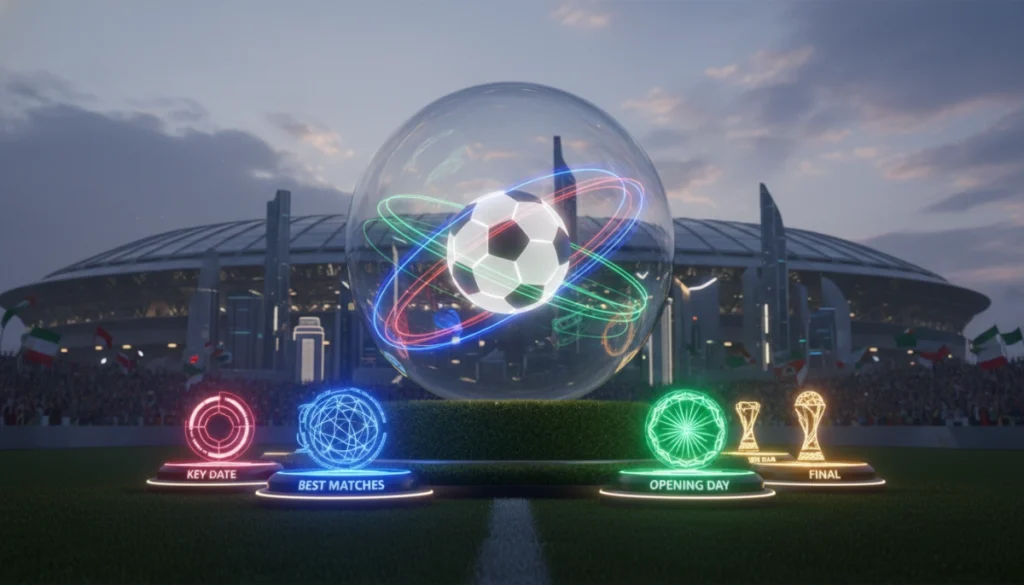
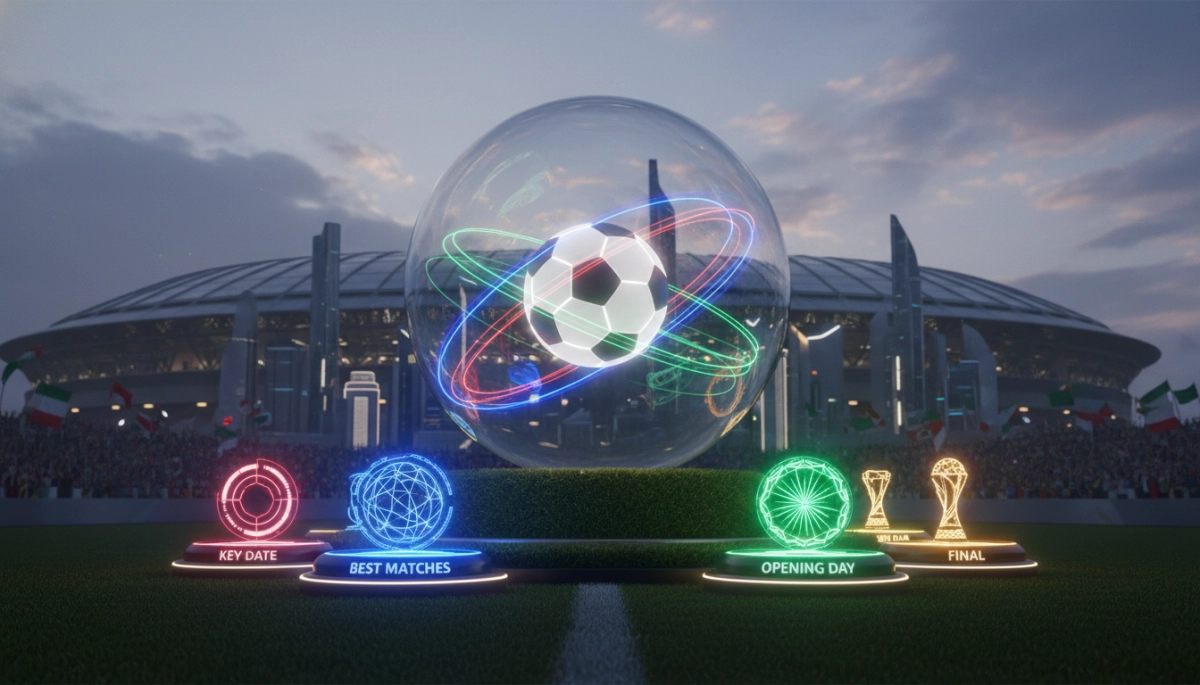
World Cup 2026 at a glance: hosts, expanded format, and why this tournament matters to you
You’re about to follow the first World Cup staged across three countries and the first with 48 teams. The 2026 tournament is hosted by the United States, Canada and Mexico and spreads fixtures across multiple time zones and stadiums. That mix changes how matches are scheduled, which games become must-see events, and how you plan your viewing. Understanding the structure and early timetable helps you prioritize which fixtures to watch live and when to expect the tournament’s biggest moments.
How the expanded 48-team format reshapes the early fixtures
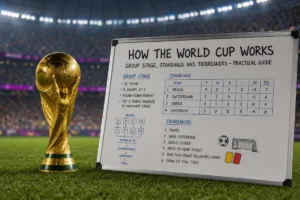
FIFA’s expansion to 48 teams means more group-stage matches and an extra knockout round. For the 2026 schedule that affects you in several practical ways:
- More games early on: The group stage will be denser, so you’ll often find top teams playing on different days rather than clustered into a single marquee weekend.
- Shorter group windows: With groups of three (16 groups of three teams), recovery and rotation become critical. That can produce unexpected lineups and surprise results you’ll want to catch.
- Round of 32 added: An extra knockout round means an earlier high-stakes elimination phase. Expect intense, watchable knockout matches sooner than in previous tournaments.
Because of these changes, you’ll want to scan fixtures for both traditional heavyweight matchups and those early-round games where squads rotate and young stars often emerge.
Key early dates and what they mean for your viewing plans
The tournament is scheduled for June–July 2026 (the planned window is June 11–July 19, 2026). Here are the early milestones to mark in your calendar so you don’t miss the games that set the tone for the whole event:
- Opening day (early June): The tournament kicks off with an opening match that attracts global attention—this is where you’ll feel the atmosphere and watch the first major national-team lineup reveal.
- Group-stage start (first two weeks): This window will be full of fixtures. You’ll find both predictable and surprising results; check group schedules to pick the days with high-profile teams you follow.
- Round of 32 (mid-tournament): As soon as the groups finish, the added Round of 32 produces do-or-die matches that often deliver drama and upsets worth watching live.
- Knockout progression (late June–mid July): From the Round of 16 onward the stakes escalate rapidly—plan to watch these dates if you want the classic World Cup intensity.
Also keep an eye on host-city schedules and local kickoff times: matches in Canada, the U.S., and Mexico will span several time zones, which affects prime-time viewing depending on where you are.
With this context in place, the next section will highlight the specific fixtures and national-team showdowns you should prioritize during the group stage and early knockout rounds.
Must-watch group-stage fixtures: match types that’ll define the first fortnight
With 16 groups of three, the group stage will be compact and intense — that means the fixtures worth prioritizing aren’t just the ones with the biggest names, but the ones that carry tactical intrigue, host interest, or knockout implications. Here are the categories of group-stage matches to circle on your calendar:
- Host-country showpieces: Any match featuring the U.S., Mexico or Canada will feel bigger than a typical group game thanks to packed stadia and local storylines. Even a seemingly routine group opponent can turn into a must-watch because of atmosphere and the attention it draws worldwide.
- Classic rivalries and continental clashes: South American derbies (e.g., Brazil v Argentina — if scheduled) and traditional European rivalries provide instant drama and high technical quality. These are the fixtures most likely to feature tight margins and late goals.
- Potential ‘Group of Death’ Sundays: With three-team groups, a single result can tip a group into chaos. Block out matchdays where multiple heavyweights or dark horses are paired in the same group — those afternoons/evenings often produce sudden-death feel despite being group games.
- Rotation windows and fringe-star opportunities: Managers will rotate heavily because of the compressed schedule. Look for matches where squads rest veteran starters; these are prime moments for young or lesser-known players to break through and for teams with depth to show tactical flexibility.
- Late kickoffs across time zones: The tri-nation hosting means there will be attractive late-night fixtures for viewers in Europe, and early-evening blockbusters for fans in North America. Match up your time zone with the kickoff windows so you don’t miss the best live action.
Round of 32 and early knockouts: dates to circle and how to prioritize which games to watch live
The new Round of 32 arrives earlier than in past tournaments and raises the stakes fast. Because the top two in each group advance, the first knockout round pairs group winners with runners-up — expect a mix of predictable and explosive matchups. Here’s how to prioritize viewing across the early knockout phase.
- Circle the Round of 32 opening slate: These first knockout fixtures are often the most surprising. Teams that barely advanced play with urgency; teams that topped their groups try to avoid complacency. If you only watch one knockout day in the early rounds, make it a Round of 32 doubleheader.
- Watch for tactical shifts: Knockout football forces teams to become more cautious or, conversely, more adventurous in search of a result. Managers who adapted well to the three-team group grind will often have the edge — keep an eye on substitution patterns and set-piece strategies.
- Pivotal time windows: Late June into early July (mid-tournament) will be dense with knockout fixtures. If you’re planning viewing parties or travel, book those dates early — high-demand match times, especially involving host nations or marquee European/South American teams, will draw the largest global audiences.
- Upset potential games: Smaller nations that advanced often have momentum and tactical discipline; when these teams face larger but overconfident opponents, live viewing promises maximum drama. Prioritize matchups where the underdog has shown defensive resilience or counter-attacking potency.
In short: prioritize host matches, classic rivalries, and the opening knockout bracket. Those fixtures are where the format change and tri-nation hosting combine to produce the tournament’s most watchable and unpredictable moments.
How to plan your World Cup viewing
With so many matches across multiple time zones, a short checklist helps you turn intention into action. Use these quick steps to make sure you catch the games that matter most to you:
- Set calendar alerts for opening fixtures, host-country matches, and the Round of 32 start dates.
- Match your time zone to host-city kickoffs — pick a reliable world-clock or fixture app to avoid missed starts.
- Decide whether you’ll prioritize live viewing or highlights; for weekends and knockout rounds, try to watch live where possible to catch the full atmosphere.
- Confirm streaming and broadcast rights in your country well ahead of the tournament so you’re not locked out on matchday.
- Bookmark the official schedule for last-minute changes: FIFA World Cup 2026 official page.
Enjoy the tournament: final notes
Whether you’re planning a viewing party, traveling to a host city, or following from home, aim to balance planning with openness — the expanded format and tri-nation hosting will create moments you can’t predict. Keep a flexible schedule, lean into the big atmospheres (host matches and knockout nights), and savor the unexpected storylines that make a World Cup memorable.
Make practical preparations early, then let the football take over. Above all, enjoy the shared excitement: this edition will deliver a rare mix of local fervour, new faces, and knockout intensity that’s best experienced live when you can.