World Cup 2026 Host Countries Explained: USA, Canada & Mexico Venues
Why the 2026 World Cup will feel different if you follow North American venues
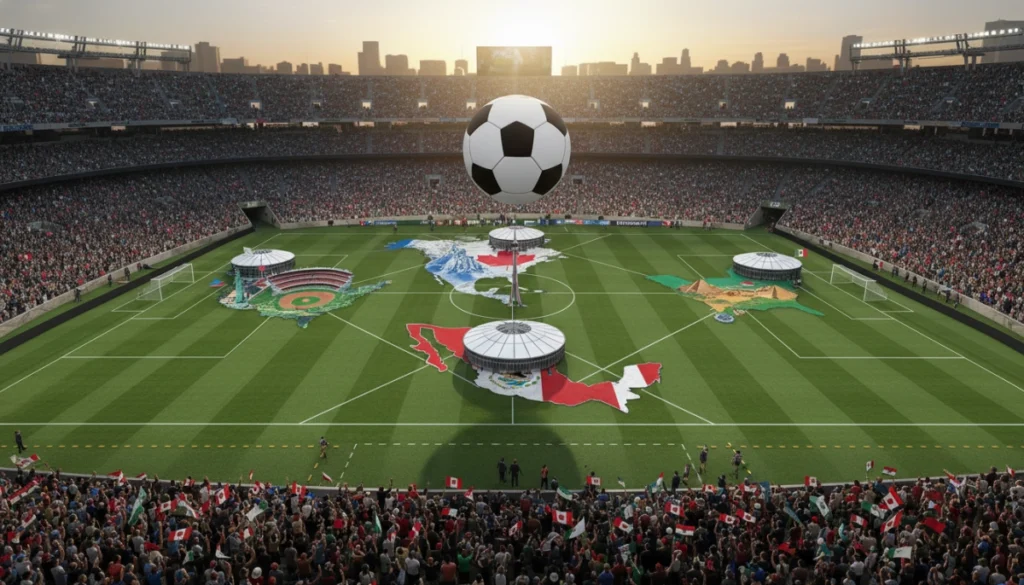
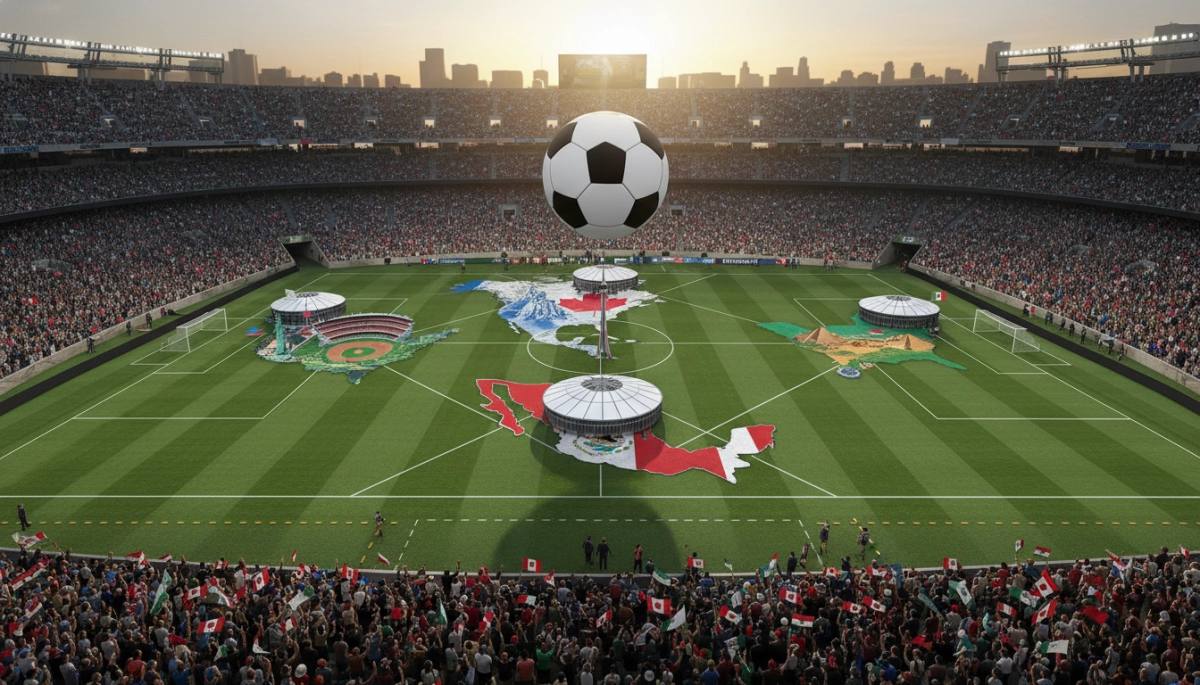
You’ll notice right away that the 2026 World Cup isn’t centered in a single country — it’s a trinational event across the United States, Canada and Mexico. That has big implications for travel, atmosphere and how matches are scheduled. Games will range from NFL-style stadium spectacles in the U.S. to matches in iconic Mexican arenas and Canadian venues that emphasize compact, passionate crowds. Understanding how the tournament is distributed helps you plan where to watch, how to book travel and what kind of match experience to expect.
How hosting duties are divided among the three countries
The allocation of matches reflects population centers, stadium capacity and logistical capacity. You should expect the United States to carry the heaviest load, while Canada and Mexico host fewer but strategically important matches.
United States: the majority of venues and matches
- You’ll find most matches in major U.S. metropolitan areas. Cities selected combine large stadium capacities with transportation infrastructure capable of handling international crowds.
- Examples of U.S. host cities include Atlanta, Boston (Foxborough area), Dallas/Arlington, Houston, Kansas City, Los Angeles, Miami, New York/New Jersey, Philadelphia, San Francisco Bay Area, and Seattle.
- Many U.S. venues are NFL stadiums or renovated multiuse arenas; expect expansive seating, extensive hospitality options and a festival-like fan experience outside the grounds.
Canada: concentrated, high-energy match sites
- Canada’s host cities offer fewer venues but high local interest. The selected Canadian stadiums are typically soccer-specific or fully enclosed domes that can handle different weather.
- Toronto and Vancouver are the primary Canadian hosts, giving you access to two major coastal markets with strong supporter cultures and good transit links.
Mexico: historic stadiums and football tradition
- Mexico contributes several stadiums steeped in football history. You’ll experience a passionate, soccer-first environment at these sites.
- Expected Mexican host cities include Mexico City, Guadalajara and Monterrey — each known for large, atmospheric arenas and devoted local fan bases.
Early practical details that affect your match plans
When you start planning, think about three practical factors: travel distance between host cities, climate and local infrastructure. If you’re following a team across borders, you’ll need to factor in international travel times, possible visa requirements and the differing match-day cultures in each country. Ticket distribution and hospitality packages may also vary by host federations, so stay alert for official announcements on how and when tickets will be sold in each country.
Next, you’ll want a city-by-city look at each stadium — what capacity to expect, which matches are likely to be held there, and the fan amenities that will shape your experience.
City-by-city stadium snapshots — United States hosts to watch
For many fans the U.S. venues will define the tournament’s visual style: huge bowls, wide concourses and big-match production. Here are quick notes on several high-profile sites you’ll likely encounter in planning.
- MetLife Stadium (New York/New Jersey) — Roughly 82,000 seats. Expect one of the tournament’s largest fan gatherings, with excellent rail links from Manhattan and major pregame fan zones. Allow extra time for stadium queues and security screening on big match days.
- SoFi Stadium (Los Angeles) — Around 70,000 (configurable). A modern, high-tech venue with premium hospitality areas and large nearby hotel capacity. Traffic can be heavy; public transit options are improving but plan for ride-share surge pricing.
- AT&T Stadium (Arlington/Dallas) — ~80,000 capacity (expandable). Massive roofed venue with a festival atmosphere outside. Parking is abundant but distributed; consider park-and-ride or organized shuttles.
- Gillette Stadium (Boston/Foxborough) — ~65,000. If you’re combining a match with nearby Boston tourism, factor in suburban transit and limited local nightlife near the stadium.
- Hard Rock Stadium (Miami) — ~65,000. Expect heat and humidity for summer fixtures; hydration and sun protection are practical musts. Miami’s nightlife and international airport make for easy travel connections.
- Levi’s/Lumen/Mercedes-Benz (Bay Area/Seattle/Atlanta) — Each offers strong transit links and differing climates: cool, fog-prone Bay Area evenings; often rainy, windswept nights in Seattle; and hot, humid conditions in Atlanta.
Canada’s venues: compact crowds, easy access
Canada’s two cities provide a different rhythm — smaller capacities and stadiums integrated into urban cores that make match-days walkable and transit-friendly.
- BMO Field (Toronto) — About 30,000 seats. This soccer-specific ground creates an intimate, intense noise level. Located near transit and downtown, it’s convenient for combo sightseeing and evening matches. Expect strong supporter choreography and a family-friendly fan zone vibe.
- BC Place (Vancouver) — Roughly 54,000 (roofed). The retractable-roof environment means matches won’t be weather-dependent; nearby public transit and compact downtown neighborhoods make post-match plans easy. Vancouver’s coastal climate is milder than much of North America in summer.
Mexico’s stadiums: historic sites and electricity in the stands
Mexican host cities bring deep football culture and some of the tournament’s most passionate atmospheres. A few practical points to help you prepare:
- Estadio Azteca (Mexico City) — One of the world’s iconic venues at roughly 87,000 seats. The altitude (2,200+ meters) can influence player performance and recovery — and may affect visiting fans sensitive to thinner air. Mexico City’s massive public transit network and surrounding fan areas will be central to match-day plans.
- Estadio Akron (Guadalajara) — ~46,000. Guadalajara offers fervent local support and vibrant pregame street culture near the stadium; logistics are straightforward for travelers combining rail, short flights and city transit.
- Estadio BBVA (Monterrey) — ~53,000. Known for intense, vocal crowds and modern amenities. Northern Mexico can be very warm in summer; plan hydration and shade for daytime matches.
Across all three countries, remember that stadium type (roofed vs open), local climate and crowd culture will shape your match experience as much as the teams on the field. Use these snapshots to prioritize which cities fit the kind of World Cup atmosphere you want to follow.
Planning and travel checklist
- Passports & visas — verify passport validity and whether you need entry visas for the U.S., Canada or Mexico well ahead of booking.
- Cross-border logistics — allow extra time for international flights, customs and potential itinerary changes when moving between host countries.
- Tickets & accreditation — register for official ticket sales and any national federation hospitality packages; beware of unofficial resellers.
- Local transport — research transit options at each host city (train, metro, shuttle services) and consider proximity to major airports.
- Health & climate — prepare for varied conditions (altitude in Mexico City, humidity in southern U.S., coastal cool in Canada); pack accordingly and stay hydrated.
- Time zones & scheduling — factor time differences when planning multiple matches or travel connections across the continent.
- Money & communications — check card acceptance, have a backup payment method, and consider an international phone plan or eSIM for cross-border travel.
- Fan culture & safety — respect local supporter customs, follow venue rules, and monitor local guidance on crowd procedures and emergency services.
Final notes for traveling fans
Whether you’re chasing a single marquee match or planning a cross-border tour, flexibility will be your greatest asset. The 2026 World Cup’s trinational setup creates opportunities to experience distinct football cultures and city atmospheres in one tournament — but it also means staying adaptable around travel, tickets and schedules.
Keep official channels bookmarked, organize core logistics early, and leave room in your plans for serendipity: local fan zones, spontaneous street celebrations and the small moments that bring a World Cup to life. For official schedules, ticketing windows and tournament updates, consult the FIFA resources directly: FIFA World Cup 2026 official site.