World Cup 2026 Draw: Date, How It Works & Live Coverage
Why the World Cup 2026 draw is important for you
You rely on the draw to learn which teams your favorites will face in the group stage and to map out possible knockout paths. The 2026 World Cup expands to 48 teams, which changes the draw dynamics compared with previous tournaments. That expansion affects everything from group composition to television schedules and betting markets, so understanding the draw helps you follow the event with context and confidence.
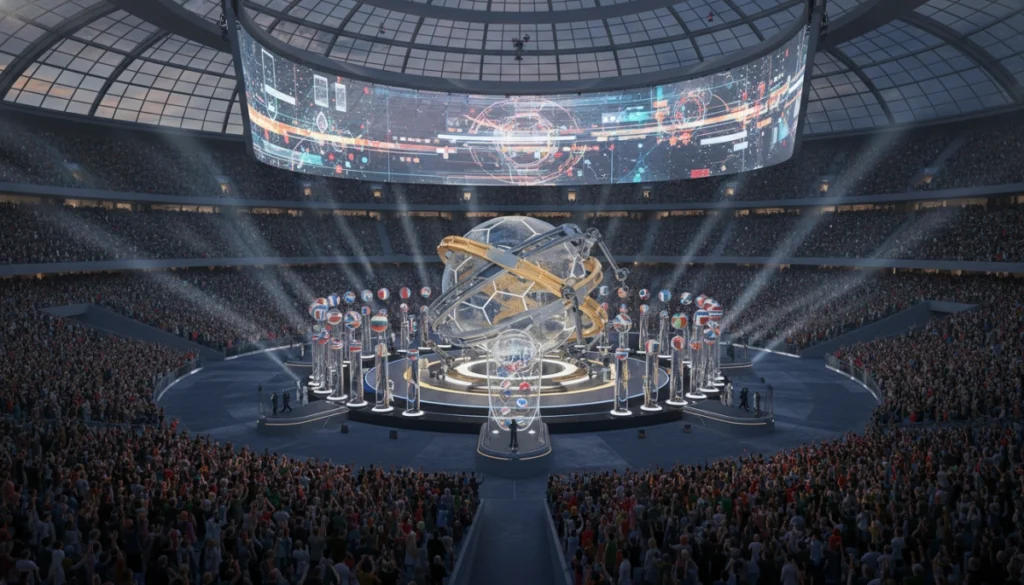
When the draw occurs, broadcasters, national teams, analysts, and fans around the world treat it as a global kickoff: fixtures are broadly set, storylines form, and travel and viewing plans start to take shape. If you follow specific players or national teams, the draw determines the earliest possible match-ups and the intensity of the group-stage calendar you’ll watch.
Key date, time zones, and location you’ll need
To watch the draw live, you need the correct date, start time, and broadcast window in your time zone. Organizers typically publish:
- the official draw date and ceremony start time in the host country;
- a schedule converted to major global time zones (e.g., ET, GMT, CET, and local times for host cities); and
- the venue and whether the ceremony will include in-studio segments or in-person delegates from qualifying teams.
You should check the FIFA website or official World Cup broadcasters for time conversions and any pre-draw programming. Pre-show analysis often begins hours before the ceremony, and key announcements—such as confirmed seedings or broadcast partners—can appear in the days leading up to the draw.
Who attends and what the early draw details mean
The draw ceremony brings together representatives from participating football associations, tournament organizers, and global broadcasters. You can expect the following elements that matter to you as a viewer:
- Confirmed teams: While some teams will earn their spots via continental qualification, organizers often reserve slots for host nations; you’ll want to know which host countries are automatically placed into specific groups.
- Seeding and pots: Teams are grouped into “pots” based on rankings and geographic rules. How pots are defined influences which teams avoid each other in the group stage.
- Geographic constraints: FIFA applies rules to prevent an excessive number of teams from the same confederation being drawn into one group; this affects the probable opponents for your team.
Knowing these early details helps you interpret the draw as it happens and anticipate key matchups. In the next section you’ll get a clear, step-by-step explanation of the draw mechanics—how pots and seedings work, the geographic rules that shape groups, and the exact sequence FIFA uses during the live ceremony to assign teams to groups.
How the draw actually works: a clear step‑by‑step
Below is a practical walkthrough of what happens during the draw ceremony and why each step matters for the groups you’ll watch.
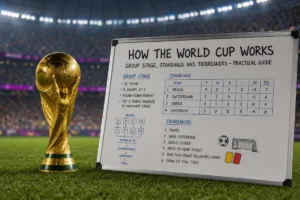
1. Pots and the seeding order are confirmed. Before the ceremony FIFA publishes which teams are in each pot. Pots are typically formed using the latest world rankings for seeded placement and geographic rules for the remaining pots. With 48 teams, pots will be larger and the distribution rules slightly different than past tournaments, so check the official pot list beforehand.
2. Hosts are placed first. Host nations often occupy predefined group slots to guarantee home fixtures and broadcast planning. If multiple hosts exist, FIFA will announce their group positions and any restrictions tied to stadiums or host-region scheduling.
3. Teams are drawn pot by pot. Balls (or digital picks) are taken from each pot in a set order. When a team is drawn, it is placed into the next available group slot unless confederation rules prevent that placement.
4. Confederation and geographic constraints are applied. To avoid too many teams from the same confederation in one group, FIFA enforces placement rules during the draw. If a drawn team cannot be placed in the first available group due to these constraints, it will be placed in the next valid slot. This is a frequent source of the ceremony’s drama and the reason FIFA sometimes pauses for manual adjustments.
5. Group positions and match slots are assigned. Teams are not only put into groups but also into specific match slots (for example, Group A2). Those slots determine the group-stage schedule and, crucially, the knockout pathway (who a team could meet in the round of 32).
6. Playoff and undecided qualifiers are added as placeholders. Because not every confederation finishes qualification before the draw, you’ll see placeholders like “CONCACAF Playoff Winner” or “Intercontinental Playoff 2.” These slots are locked into groups, and the eventual qualifier inherits the assigned match dates and venues.
7. Final confirmation and bracket mapping. After all groups are filled, FIFA shows the complete group list and the bracket positions for the knockout stages. This is when broadcasters freeze visuals and pundits start mapping potential round‑of‑32 matchups.
8. Post-draw logistical announcements. Expect clarifications about exact match dates, kick-off windows, and any updates to venue assignments if relevant. Those details may follow during the ceremony or shortly afterward via official releases.
Understanding this sequence helps you follow each drawn name and why a particular team can’t be placed into a group — not because of oversight, but because of the rules that shape competitive balance and broadcast feasibility.
How to watch the draw live and what to listen for
Watching the draw live is more than entertainment; it’s where context and consequence meet. Here’s how to get the most out of the broadcast.
– Where to watch: FIFA typically streams the draw on FIFA+, and major rights-holders (national broadcasters and sports channels) simulcast with local commentary. Official social channels (Twitter/X, YouTube, Facebook) host clips and highlights. Check FIFA’s website for the final broadcast list and links in your region.
– Pre-show and punditry: Arrive early. Pre-draw shows run an hour or more, covering pot composition, regional matchups to avoid, and key storylines. Analysts will point out dangerous groups, likely blockbuster fixtures, and travel implications for host cities.
– What to listen for: Pay attention to the official explanation about seeding methodology, any last‑minute rule clarifications, and statements about host placements. When a team is drawn but can’t go into the first group listed, expect a short on-air explanation about confederation constraints — that’s the moment someone is being redirected, not disqualified.
– Live tools and second screens: Use live blogs, interactive draw maps, and official PDFs that update as each team is placed. Social media often posts concise graphics faster than television replays, which helps when you’re tracking multiple teams.
– Practical tips: Convert the start time to your local time zone and set an alarm; follow your national federation’s feed for immediate post-draw reactions; and, if you’re planning travel, wait for the official match schedule (kick-off times and dates) before booking non‑refundable arrangements.
Following these steps will make the draw feel less like a spectacle and more like a roadmap — one you can use to plan viewing, travel and the narratives you’ll follow through the tournament.
After the draw: what happens next
Once the groups are confirmed, a few immediate steps matter for fans, media and travelers alike:
- Match schedule release: FIFA and broadcasters will finalize kick-off times and TV windows — these determine travel and viewing plans.
- Ticketing updates: Tickets for group and knockout matches tied to drawn slots are released or reallocated; check your account and official resale channels.
- Travel and logistics: If you plan to attend matches, confirm accommodation and transport only after official match dates are published to avoid cancellations or extra costs.
- Bracket planning: With group positions set, pundits and fans start mapping potential knockout paths — useful for fantasy competitions and friendly wagers.
- Follow-ups and replacements: Watch for official confirmations of playoff winners that fill placeholder slots and any late changes to venues or kick-off windows.
Get ready for kickoff
Enjoy the drama of the draw—and then sit back and follow the unfolding storylines as teams, schedules and venues firm up. For official draw materials, live streams and updates, check the FIFA draw page. Set reminders for the broadcast, follow your national federation’s feeds for immediate reaction, and get ready: the draw is the starting pistol for a tournament that will create narratives and moments you’ll be talking about for years.