Top 15 Controversial VAR Moments in Football History
How VAR changed what you expect from a referee
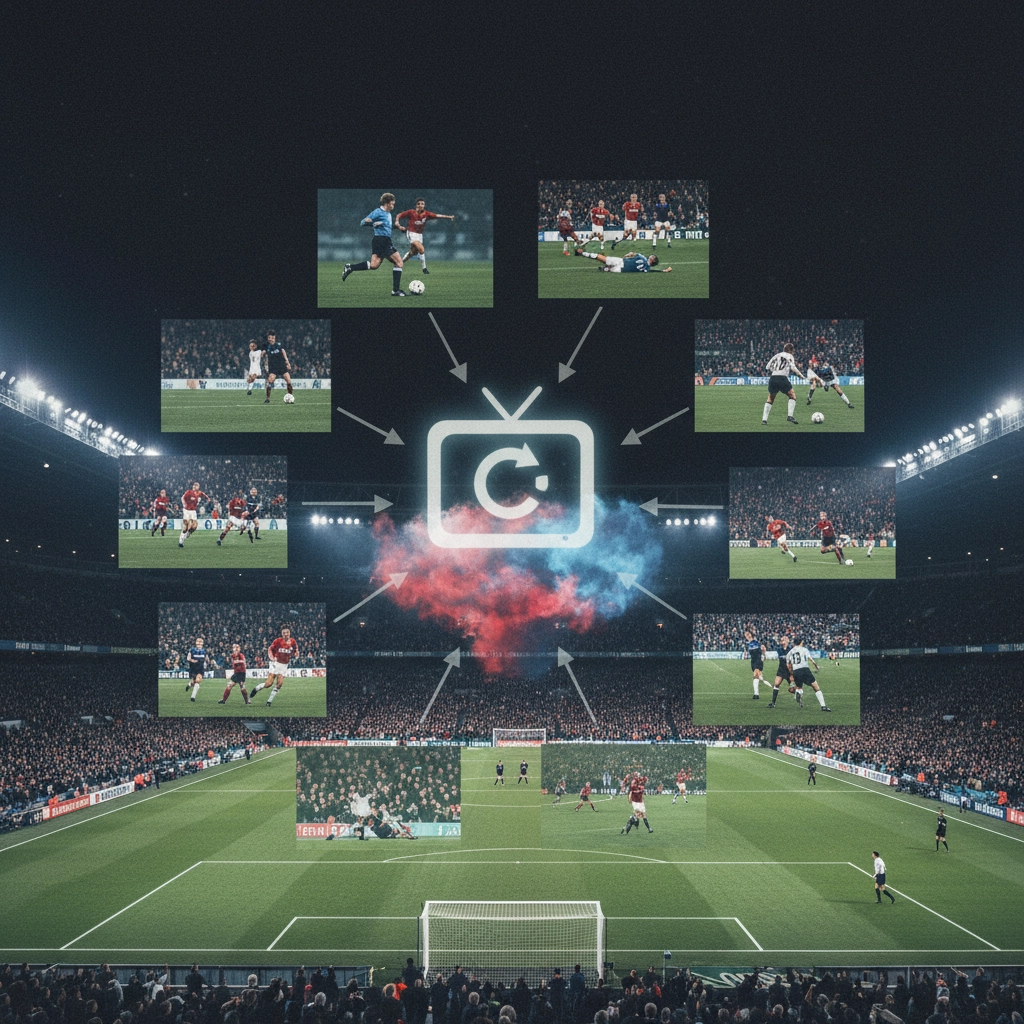
You remember the old days when the referee’s decision was final and the crowd’s roar or boos closed the debate. Video Assistant Referee (VAR) promised to reduce clear errors, make high-stakes matches fairer, and bring technology into refereeing. Introduced for trials in 2016 and adopted at major tournaments (notably the 2018 FIFA World Cup), VAR has done all of that — but it has also created its own controversies.
As you follow matches now, VAR influences four core match events: goals, penalty decisions, direct red cards, and mistaken identity. That narrow scope was designed to keep interventions limited. Yet the interpretation of those events — especially handball, marginal offside, and “clear and obvious” mistakes — has frequently put VAR at the center of heated discussions. You’ll find that many disputes aren’t about technology failing, but about how humans interpret slow-motion images and which angles are considered decisive.
Early patterns of controversial VAR interventions you should know
When VAR first appeared at major competitions and top domestic leagues, a few recurring patterns of controversy emerged. Understanding these patterns will help you judge later incidents more critically:
-
Millimetre offside decisions that overturn spectacular goals
One of the earliest flashpoints was the robotic precision of offside lines. Goals that felt clearly onside to supporters in the stadium were being chalked off after VAR drew a hairline line across players’ toes. You began to question whether the spirit of the offside rule — preventing obvious goal-hanging — was being replaced by pixel-level accuracy that ruined moments of celebration.
-
Handball interpretations that vary by competition
Handball law is inherently subjective, and VAR amplified that subjectivity. Replays slow the game and show contact that you missed in real time; some replays led to penalties or disallowed goals, while similar incidents in other matches were left alone. The inconsistent outcomes between leagues and tournaments quickly became a major talking point among fans and pundits.
-
Long reviews and poor communication with viewers
Even when VAR decisions were technically accurate, long delays and scant explanations often left you frustrated. Unlike other sports, football lacked consistent in-stadium communication about what VAR was checking and why a decision changed. That opacity turned procedurally correct choices into public relations failures.
-
Technology limitations and human judgment combined
VAR depends on camera angles, frame rates, and the on-field referee’s read of the replay. Early controversies often involved plays that seemed ambiguous because no camera could produce a definitive angle. In those cases, you were left debating whether to trust the footage or accept human uncertainty.
Those patterns set the stage for individual incidents that captured headlines, altered trophies, and divided entire fanbases. In the next section, you’ll start walking through the ranked list of the Top 15 Controversial VAR Moments — beginning with the least incendiary and moving toward the most infamous.
15–11: The small-but-symbolic VAR moments that irked fans
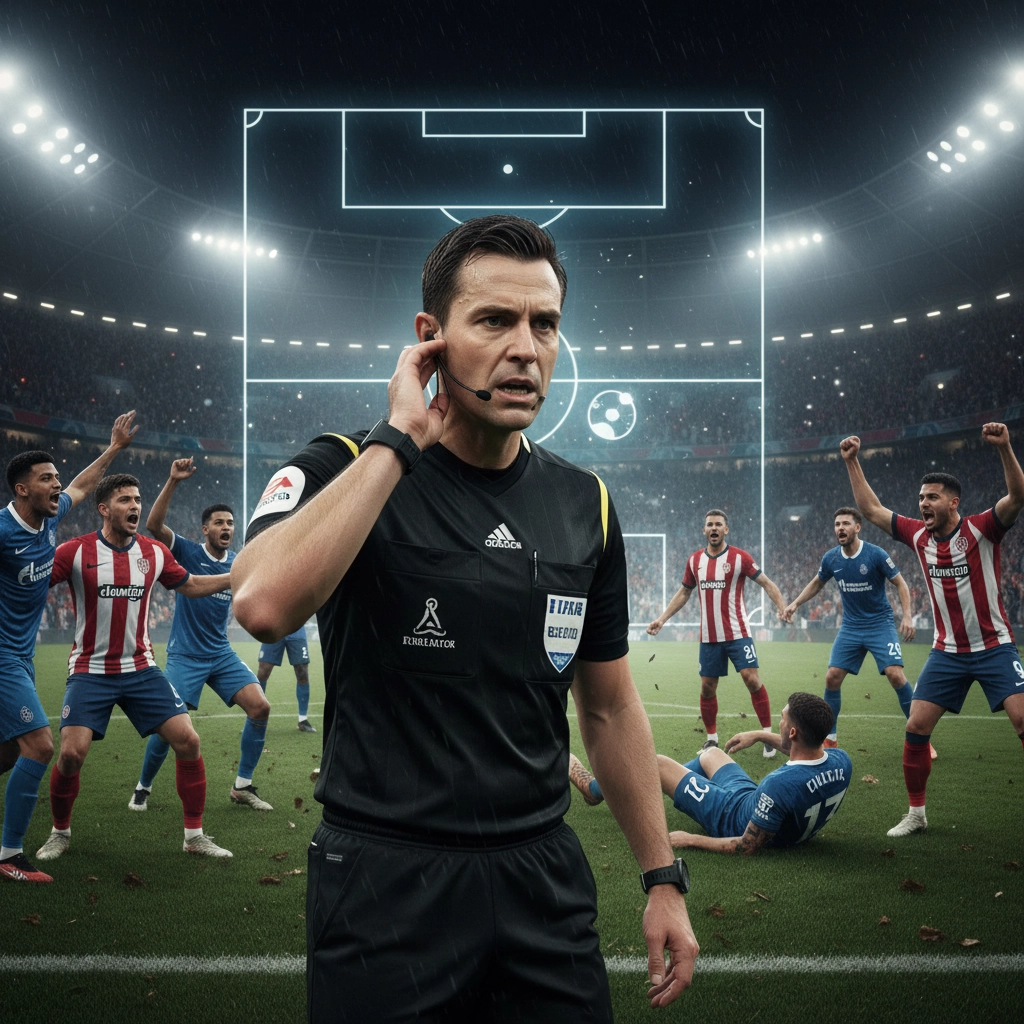
Starting at the bottom of the list are the incidents that didn’t decide trophies but signaled VAR’s growing pains — enough to make you wince. Think of late goals chalked off by a fraction of a toe, penalty appeals overturned after minutes of probing, or spectacular solo efforts robbed of celebration. What links these moments is not their scale but their symbolism: each one made supporters ask whether technology had made the game less spontaneous.
These are the calls where VAR did what it was supposed to do — correct a mistake — but the correction felt disproportionate to the emotional cost. A world-class striker’s celebration frozen mid-air because a still frame showed hairline contact; a defender branded a villain after a slow-motion angle magnified a brush of the arm. In many instances referees and VAR teams were operating by the book, applying offside tolerances and handball guidance. Yet the aftermath exposed a new cultural problem: football crowds weren’t just upset at errors, they were unsettled by the way replays changed what a “clear and obvious” mistake looked like.
10–6: Decisions that swung matches and fuelled conspiracy theories
Mid-list entries moved from annoyance to genuine match-turners. These were VAR interventions that directly handed momentum — and sometimes points — from one side to another. Here you’ll find overturned penalties, disallowed equalizers, and red cards issued after lengthy deliberations. The pattern is familiar: a crucial VAR check in stoppage time, a panel of officials debating angles, an on-field signal erased, and stadiums erupting — angrily.
What made these moments particularly controversial was inconsistency. Two similar incidents could draw opposite outcomes depending on camera placement, the frame rate available, or how strictly the VAR team applied the “spirit” versus the “letter” of the law. Clubs and managers began to suspect bias when decisions repeatedly went against them in tight races, and social media amplified every perceived injustice into league-wide conspiracy theories. Even when no wrongdoing occurred, the perception of inconsistency undermined trust in the system.
5–3: High-stakes errors that reshaped competitions
At the top of the middle tiers are interventions that didn’t just affect one game — they shaped seasons. These are the sent-off players whose absence cost decisive fixtures, the penalties awarded after marginal handball calls that decided cup ties, and the offside rulings that unpicked dramatic comeback goals. Clubs protested, appeals were lodged, and pundits demanded clearer protocols. At times governing bodies responded with clarifications; other times they doubled down on the same guidelines that had produced the controversy.
These moments taught you two things. First, VAR’s narrow remit (goals, penalty decisions, direct red cards, mistaken identity) doesn’t mean narrow consequences. A single VAR check can cascade through a schedule, affecting title races, relegation battles, and European qualification. Second, technology cannot fully remove human judgment — and when judgment is applied with machine-level evidence, the perceived errors sting all the more. As the list climbs higher, you’ll see how a handful of incidents transformed not just matches, but entire competitions and public trust in the process.
2–1: The watershed moments that defined the debate
At number two sit the incidents that turned seasons upside down: late VAR interventions that stripped away comebacks, awarded last-gasp winners, or triggered red cards that altered knockout ties. These were not mere irritants — they were moments when the timing and manner of review intensified already high stakes, provoking managerial fury and formal protests. Fans still replay those scenes, not just for the on-field drama but for how a handful of people watching feeds in a room rewrote the ending.
The top spot is reserved for the single VAR moment that became shorthand for everything supporters love and hate about technology in football. It combined a razor-thin measurement (often an offside or marginal handball), a dramatic game context, and a public sense that a celebration, trophy or elation had been stolen by an invisible threshold. That one incident crystallized wider concerns about consistency, transparency and the place of human judgment in an increasingly pixel-perfect era.
Where VAR goes from here
VAR has matured from a novelty into a core part of elite football, but the controversies on this list show the tool is only as effective as the rules, people and communication around it. Improvements are possible: clearer protocols, better camera standards across leagues, faster and more transparent on-field signals, and continuing education for referees and fans. At the same time the game must reckon with a cultural question — how much precision is desirable when part of football’s appeal is its spontaneity and emotional unpredictability.
Whatever changes arrive, the conversation should be rooted in trust. That means consistent application of the laws, accessible explanations of decisions, and technological standards that minimize arbitrariness. For a primer on how that framework is being refined, see VAR protocols and guidance from the rule-making body.
Frequently Asked Questions
What decisions can VAR review?
VAR is generally limited to four match-changing categories: goals and whether there was a violation during the build-up, penalty decisions, direct red card incidents (not second yellow offences), and cases of mistaken identity. The system is not used for routine foul calls or tactical judgments.
Why do some VAR calls still feel inconsistent?
Perceived inconsistency stems from different factors: camera angles and frame rates vary between venues, referees interpret “clear and obvious” errors differently, and guidelines evolve over time. Transparent explanations and standardized technology help, but some level of subjective judgment remains intrinsic to officiating.
Has VAR reduced refereeing errors overall?
Data suggests VAR catches many match-defining mistakes it was designed to address, but it cannot eliminate controversy. The trade-off is fewer glaring errors against a rise in disputes about marginal calls and timing. The net effect depends on what stakeholders — clubs, players, and fans — value more: absolute precision or uninterrupted emotional flow.