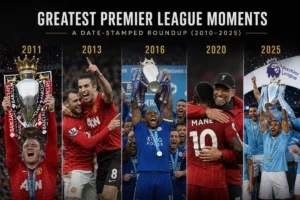
Greatest Premier League Moments: Relegation Battles & Comebacks
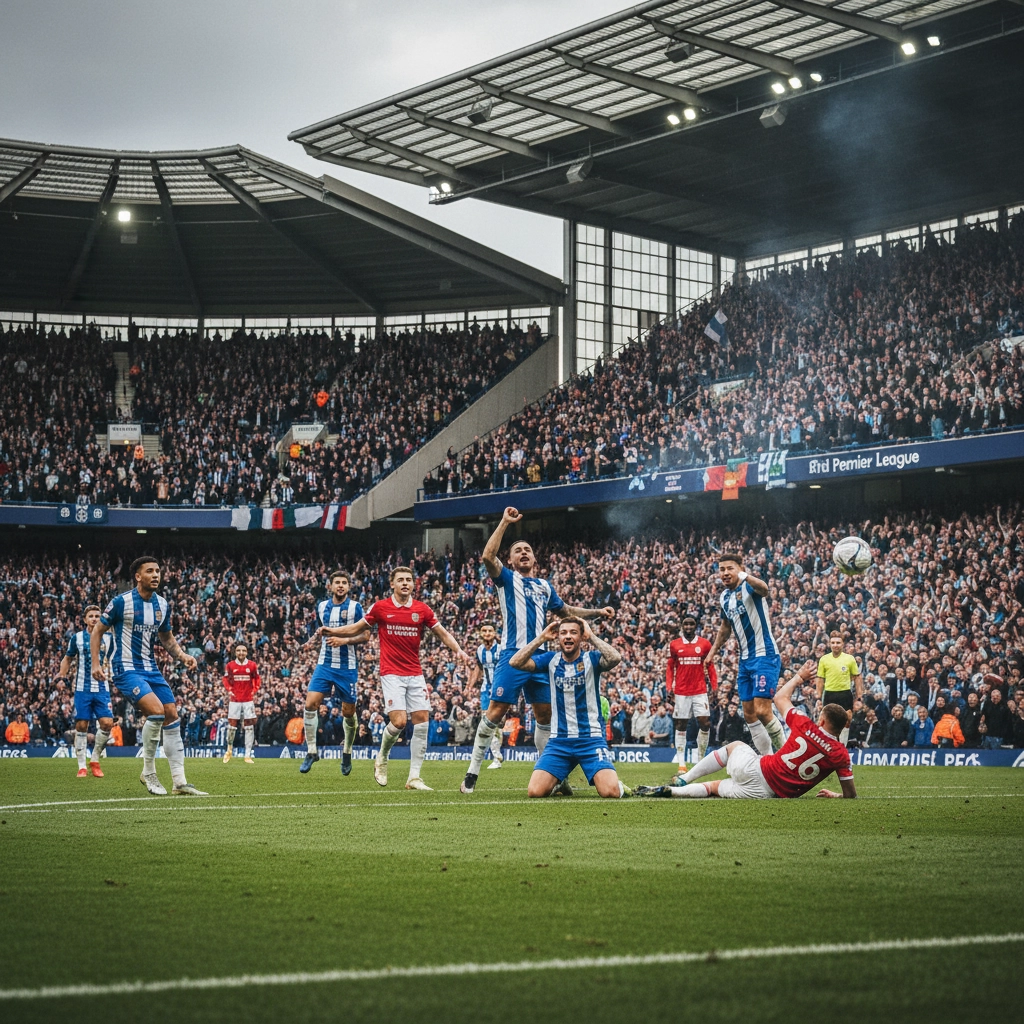
[Start HTML content here]
When Survival Becomes History: Why Relegation Battles Matter to You
You already know the Premier League isn’t only about trophies — it’s also where careers, club futures and entire cities can turn on a single result. Relegation battles compress pressure into a handful of fixtures and create scenes that linger in memory: last-minute goals, managerial gambles and dramatic swings in momentum. Those moments matter because they reveal character — both in teams and supporters — and they redefine seasons overnight.
What makes a relegation battle so dramatic?
You experience relegation drama through several converging pressures. The league table is unforgiving, financial stakes are high, and form can swing wildly. In that environment, a single point or a single goal can be the difference between survival and the drop — and that’s what produces the greatest Premier League moments.
- High financial and emotional stakes: relegation affects budgets, transfer plans and fan morale.
- Final-day certainties: multiple clubs often depend on different results, so every match carries extra narrative weight.
- Momentum swings: a late win can spark a run of form that overturns seemingly impossible odds.
- Managerial interventions: tactical changes, motivational turnarounds and short-term signings frequently trigger comebacks.
How Early Warnings and Small Changes Ignite Comebacks
To appreciate the greatest comebacks, you should start by recognizing the early warning signs and the minor adjustments that lead to major swings. A poor run of form in the first half of the season often looks terminal, but the Premier League calendar gives teams time to recover if they can stabilize performances and seize key moments.
Typical turning points you should watch for
- Key tactical tweak: a manager switching formation or personnel can suddenly make the team harder to break down or more dangerous going forward.
- Momentum-winning victories: an unexpected home win against a stronger side can lift belief across the squad.
- Impact signings: January arrivals or returning injured players sometimes supply an immediate spark.
- Psychological lifts: avoiding an embarrassing loss or scoring a late equaliser often changes the mood and confidence.
One of the most cited examples of an early-season recovery is West Bromwich Albion’s 2004–05 campaign, often labeled a “great escape” after they were bottom for many weeks yet managed to survive the drop through improved form, tactical discipline and timely results. That kind of turnaround combines measurable inputs — points, goal difference, fixtures — with intangible elements like belief and momentum, which you can sense building week by week.
With that background, you’re ready to look closer at the matches and moments that define “greatest” in this context — the late goals, the managerial masterstrokes and the final-day dramas that turned relegation nightmares into celebrated comebacks.
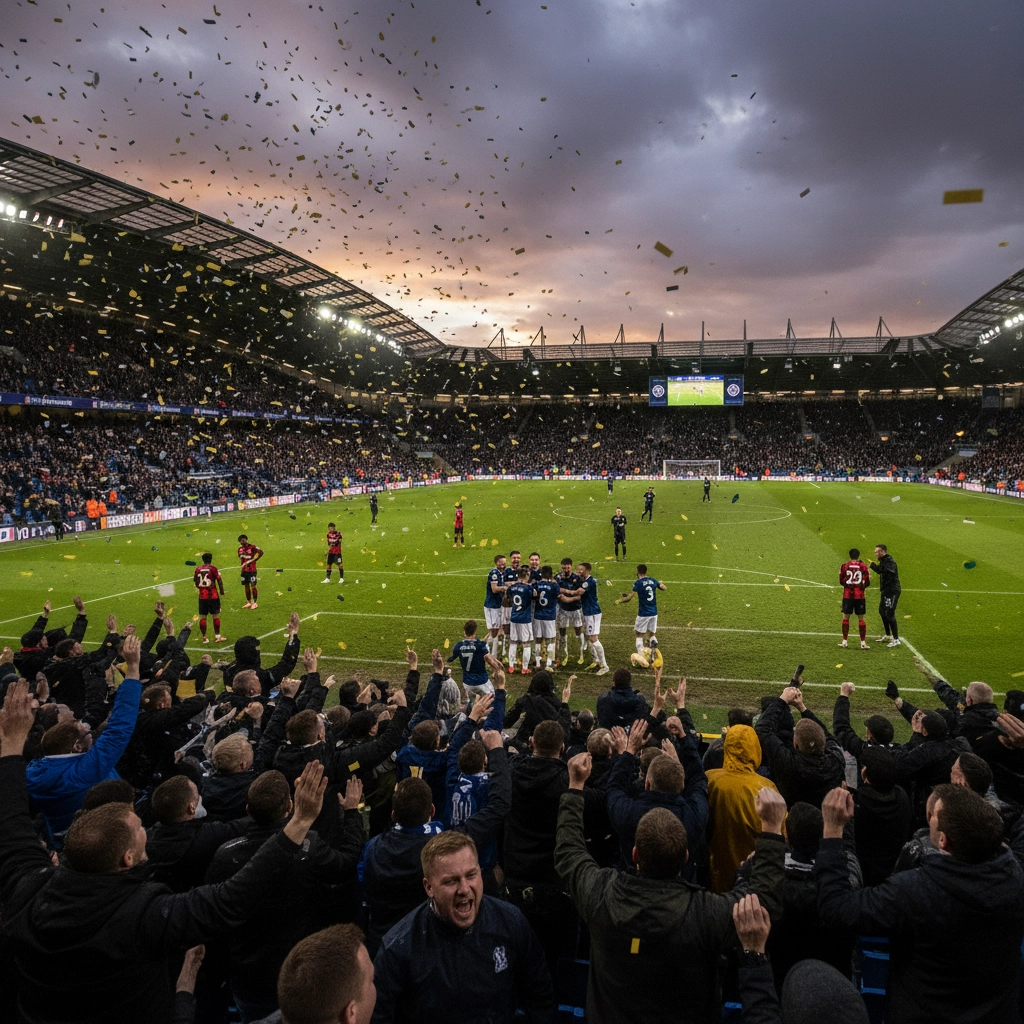
Final-day Theatre: Matches That Decided More Than Points
There’s nothing quite like a final day when survival, European qualification and the title can all be decided in 90 minutes. For relegation battles, final-day fixtures are the purest distillation of everything you’ve been through all season: form, injuries, head-to-heads and goal difference suddenly condense into a single, pressure-soaked occasion. Those matches produce the kind of images that stick — last-gasp winners, delirious pitch invasions and stunned silence in away ends — because the consequences reach beyond sport into livelihoods and local economies.
What you should look for in these fixtures is how interdependence creates drama. Teams don’t just play their own game; they react to others’ results, alter risk profiles and sometimes tweak tactics mid-match when a goal elsewhere changes their survival calculus. The tension brings out extremes: defensive, pragmatic football from teams wanting one point, and all-out attack from sides who need three. That clash of objectives creates volatile possibilities — a single counter-attack or set-piece can reverse months of form in an instant.
Another reason final-day theatre matters is narrative symmetry. A club that spent months languishing in the relegation zone can be rewritten in a single afternoon: one penalty, one red card, one stoppage-time winner and the story becomes a comeback. Conversely, clubs that appeared secure can fall apart under pressure, which is why momentum going into that weekend is as significant as the on-pitch quality you expect to see.
Managers, Moves and Moments: How Tactical Tweaks Trigger Turnarounds
When you dissect the greatest comeback seasons, you’ll find repeated managerial patterns. It’s rarely about wholesale reinvention; it’s about decisive, targeted changes that cut fragility and amplify strengths. Successful survival campaigns usually involve three interlocking moves: tightening the defence, simplifying the game plan and extracting marginal gains from set pieces and substitutions.
Defensive reorganization — whether by switching to a compact three-at-the-back, packing midfield with disciplined runners, or assigning a single defensive midfielder to screen the backline — buys struggling teams time to grind out points. Managers known for engineering escapes often favor pragmatic structures that make conceding difficult. At the same time, prioritising set-piece excellence (both defending and attacking) can convert tightly fought draws into valuable wins; those tiny percentages add up across a season.
Psychology and game management matter as much as tactics. The manager who instils belief, picks the right moments to rotate, or makes the perfect late substitution can change momentum instantly. You’ll notice that many comebacks hinge on substitutions that either blunt an opponent’s threat or inject pace and urgency when a result is needed. Those choices — made under intense pressure — are why managerial appointments are scrutinised so closely when clubs are near the trapdoor.
Ultimately, relegation battles and comebacks are as much about smart micro-decisions as they are about talent. When the margins are this fine, your appreciation of the Premier League deepens: it’s where strategy, nerve and timing combine to create the most unforgettable moments in modern football.
The Human Side of Survival and Relegation
Beyond tactics and statistics, relegation battles and comebacks are first and foremost human stories — of players, managers, staff and communities whose lives are entwined with the fate of a club. The joy of survival and the pain of relegation ripple outwards: local businesses, youth programmes and long-term planning all feel the effect. That human cost is what gives these matches their emotional weight and why memories from a single evening can linger for decades.
Those moments also form part of a club’s identity. They become cautionary tales, rallying points or foundational myths passed between generations of supporters. If you want to follow the fixtures, results and historical context that frame these dramas, visit the Premier League official site for schedules and archives.
Frequently Asked Questions
What makes final-day relegation battles so dramatic?
Final-day drama stems from interdependence — teams’ fates can hinge on other results — combined with extreme stakes. One goal can change livelihoods and league composition, so tension, tactical conservatism, late risks and emotional swings are amplified in those 90 minutes.
Which tactical changes most often trigger comebacks?
Successful turnarounds usually rely on tightening defence, simplifying game plans and improving set-piece performance. Timely substitutions that add pace or stability and managerial adjustments to personnel or formation often provide the marginal gains needed.
How can relegation impact a club beyond the pitch?
Relegation affects finances, sponsorship, transfer budgets and staffing. It can force restructuring at executive level, alter long-term planning and reduce local economic activity tied to matchdays. Conversely, survival can stabilise communities and preserve investment in youth and infrastructure.