La Liga History and Records: Clubs, Titles and Milestones
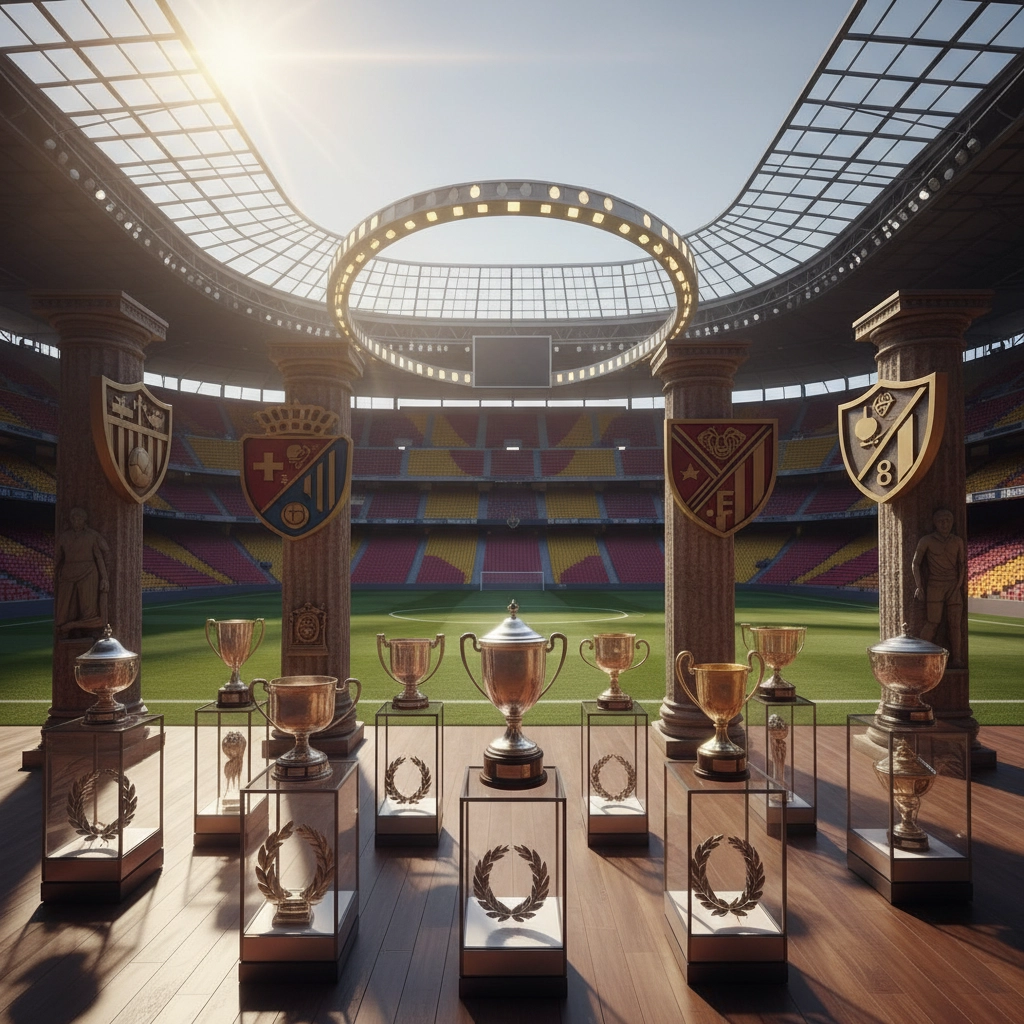
Why La Liga matters to Spanish football and to you
You may follow La Liga for the drama on the pitch, but understanding its origins helps you see why certain rivalries, tactics and club cultures developed the way they did. La Liga — officially the Primera División — is more than a yearly competition: it is the institutional framework that turned regional Spanish football into a national spectacle. From the first season in 1929 to the present day, the league has shaped player careers, transfer markets and even international perceptions of Spanish football.
What set La Liga apart from regional competitions
Before La Liga’s creation, football in Spain was organized mainly through regional championships and the Copa del Rey. You should know that the move to a national league mirrored trends across Europe: a desire for regular competition among the best clubs, a standardized schedule and a more reliable source of revenue. The league format — points awarded for wins and draws, home-and-away fixtures — created predictable rivalries and allowed clubs to plan for long-term development rather than one-off cup runs.
The founding of La Liga and its initial structure
In 1928 the Royal Spanish Football Federation (RFEF) sanctioned a national league. You will find that the first La Liga season, 1928–29, had only ten teams. That compact lineup produced intense matches and immediate storylines. Real Madrid and Barcelona were already established names, but other early participants like Athletic Bilbao and Atlético Madrid played crucial roles in shaping the competition’s character.
Founding clubs, early champions and key rules
Understanding the first teams and the rules they played under clarifies many later developments. The inaugural ten clubs were selected based on regional performance and reputation; they represented major urban centers and the strongest regional champions. Athletic Bilbao won the first title, setting an early benchmark for consistency and style.
- League size and format: 10 clubs, double round-robin (home and away), two points for a win — a system that would later change.
- Promotion and relegation: initially limited and occasionally decided through play-offs, reflecting a period of experimentation in league governance.
- Regional influence: Basque and Catalan clubs were especially prominent early on, contributing tactical and cultural approaches that influenced Spanish football nationally.
As you trace the early decades, you’ll notice recurring themes: dominance by a small group of clubs, the impact of political events (such as the Civil War) on competition continuity, and the gradual shift from regionalism toward national and even international ambitions. The next section will examine how certain clubs began to establish dynasties, the records they set, and the milestones that defined La Liga’s modern era.
How dynasties formed: the eras that shaped modern La Liga
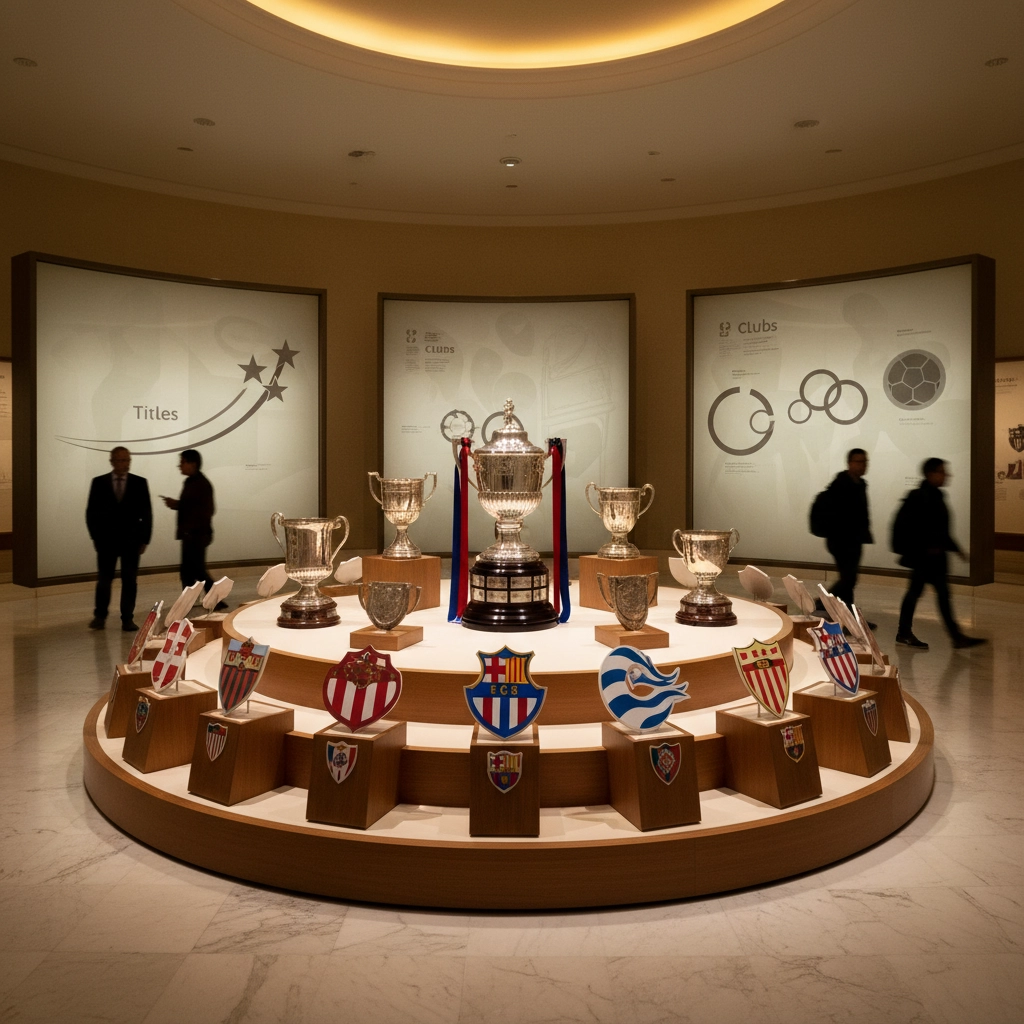
From the 1950s onward La Liga was characterized less by random outcomes and more by identifiable eras of dominance. You should frame these not as permanent monopolies but as concentrated periods when a club combined resources, coaching innovation and player generation to reshape expectations.
Real Madrid’s post‑war rise — fueled by signings such as Alfredo Di Stéfano and later Ferenc Puskás — established an early model: recruit world-class talent, invest in European competition, and build a global reputation that reinforced domestic success. In the 1980s and early 1990s Real manufactured another dominant group with La Quinta del Buitre, a homegrown cohort that underscored the value of youth development alongside marquee signings.
Barcelona answered with its own cycles. Johan Cruyff’s “Dream Team” in the early 1990s introduced a philosophy and a structure that endured beyond trophies: youth academy integration, emphasis on technical play and a coherent tactical identity. That identity reached its peak in Pep Guardiola’s teams (late 2000s–early 2010s), when Barcelona combined a possession-based style with multiple domestic titles and the club’s first treble in 2008–09. Atlético Madrid’s more recent ascent under Diego Simeone showed a different route: defensive organization, collective spirit and clever recruitment allowed them to break the duopoly and lift La Liga titles against wealthier rivals.
These dynasties matter because they created templates. Clubs learned to value coaching philosophy, scouting networks and academy production as much as transfer-market stars. The result for you as a follower is clearer storylines: periods when one club’s project defines how Spanish football looks, followed by the inevitable tactical and administrative responses from competitors.
Records, milestones and the modernizing of the league
As these eras unfolded, La Liga accumulated records and watershed moments that reveal its evolution from a national championship to a global product. On the individual side, Lionel Messi’s La Liga tally stands as the competition’s highest goal total, an achievement that highlights both his longevity and the attacking richness of the league. Historic scorers such as Telmo Zarra and Hugo Sánchez remain reference points for seasonal and career feats, while goalkeepers and defenders have their own trophies and statistics — the Zamora Trophy, for example, recognizes the league’s best-performing keepers by goals conceded per game.
Milestones off the pitch have been equally important. The change from two points to three for a win (adopted in most leagues) reshaped incentives and promoted attacking play; television contracts and international broadcasting deals transformed club finances and made La Liga a global entertainment product. Transfer-market landmarks — notably the record fees paid for players developed or deployed in Spain — underline how La Liga clubs became both sellers and buyers in a global market.
Finally, European performance has reinforced domestic prestige. Success in the European Cup/Champions League by La Liga sides amplified the league’s allure, attracting top players and coaches and creating a virtuous cycle of sporting and commercial growth. When you track La Liga history, watch how on-field innovations, landmark transfers and TV money converge to produce the records and milestones that define each season.
The road ahead for Spanish football
La Liga’s story is ongoing: clubs will continue to balance tradition and innovation, and new chapters will be written by coaching ideas, academy graduates and shifting finances. The league’s past shows that change arrives through many routes — tactical revolutions, smarter recruitment, and evolving broadcast markets — and that unpredictability is part of its appeal.
Whether you follow for the rivalries, the rising talents or the tactical trends, keeping an eye on fixtures, transfers and managerial moves will reveal where the next landmarks and records may come from. For official schedules, news and club information visit the LaLiga official site.
Frequently Asked Questions
Which clubs have historically dominated La Liga?
Real Madrid and Barcelona are the most historically dominant clubs in La Liga, with long periods of sustained success and multiple title-winning eras. Atlético Madrid and a few other clubs have interrupted that dominance at different times.
Who holds the record for most goals in La Liga?
Lionel Messi is the all-time top scorer in La Liga, a record that reflects both his longevity and the era of high-scoring football in which he played.
What is the Zamora Trophy mentioned in the article?
The Zamora Trophy is an award given to the goalkeeper with the best goals-conceded-per-game ratio over a La Liga season, recognizing outstanding defensive performance subject to the competition’s eligibility rules.