How La Liga Clubs Develop Young Talent: Inside Spain’s Youth Football System
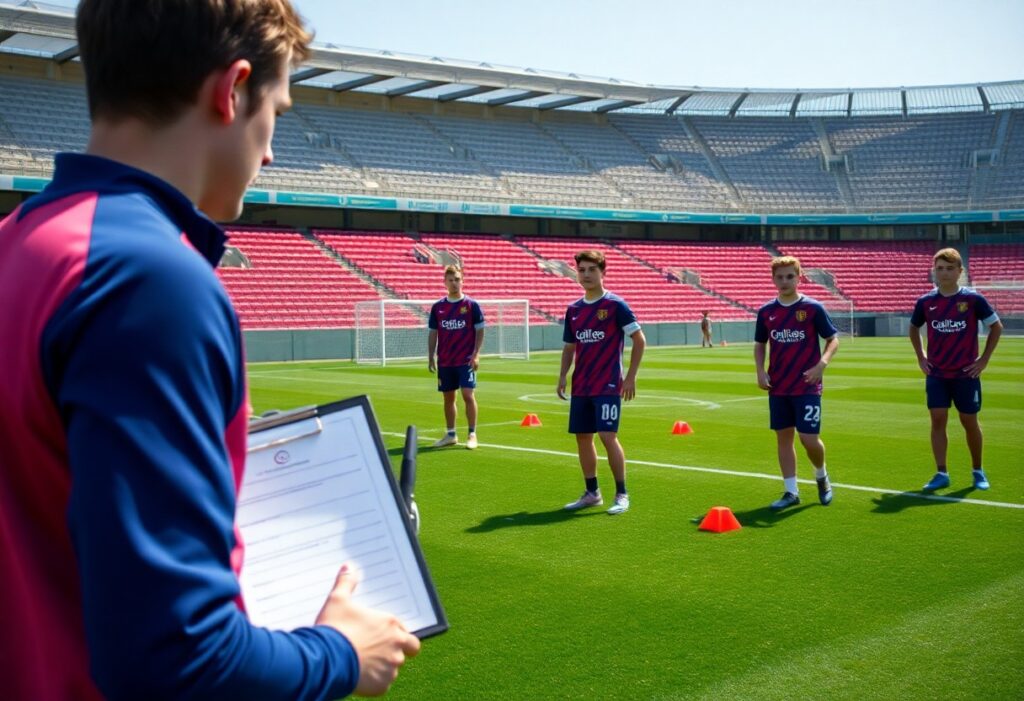
Development in Spain’s youth system combines structured coaching and holistic education with scouting networks and competitive youth leagues to fast-track players toward a clear pathway to the first team; academies also manage pressure and burnout risks through sports science, psychological support and staged match exposure, making the model both demanding and effective for producing technically and tactically astute professionals.
Types of Youth Development Programs
Spanish clubs operate everything from community-driven schools to professional high-performance centers: neighborhood escuelas, club-run academies, federated regional leagues, private coaching schools and elite residency programs. Many target ages U6-U19 and align development stages with UEFA homegrown incentives and national curricula. Any program blends technical work, tactical education, physical conditioning and formal schooling to create clear progression routes.
- Grassroots Initiatives
- Club Academies
- Elite Academies
- Satellite Schools
- Regional Youth Leagues
| Program Type | Features / Examples |
|---|---|
| Grassroots Initiatives | Municipal clubs, small-sided games, U6-U12 focus, lots of touches and participation |
| Club Academies | Structured age groups U8-U19, coaching syllabus, link to senior pathway (e.g., Atlético, Sevilla) |
| Elite Academies | Full-time programs, boarding from U16, sports science, scouting networks (La Masia, La Fábrica) |
| Satellite / Partner Schools | Regional talent ID, coaching standards export, pathway agreements with parent clubs |
Grassroots Initiatives
Community-run escuelas prioritize enjoyment and technical repetition for U6-U12 players, using futsal and 3v3/5v5 formats to boost touches; many coaching sessions are twice weekly and introduce basic tactical concepts. These programs supply the talent pool for club academies but face high dropout rates during adolescence, making retention and positive coaching the biggest development challenges.
Elite Academies
Top-tier academies offer intensive, structured pathways from U12 with personalized training plans, education timetables and often boarding for U16+, backed by significant investment and UEFA-licensed staff; examples include La Masia (Barcelona) and La Fábrica (Real Madrid), both known for producing senior internationals and technical players.
Deeper operations in elite setups combine 12-20 weekly training hours, individual strength and conditioning programs, and integrated sports science (GPS, load monitoring, nutrition). Scouting spans national and overseas networks, while loan systems and B teams provide competitive minutes – however, the conversion to first-team football remains low (often below single digits), so academies also emphasize education, psychological support and career planning to protect long-term outcomes.
Factors Influencing Talent Development
Spanish academies blend technical schooling, competitive exposure and psychosocial support; key drivers include coaching quality, training load, infrastructure and a clear pathway to senior squads. Examples like Barcelona’s La Masia and Real Madrid’s Ciudad Real Madrid demonstrate how aligned systems produce first-team players, while monitoring reduces injury risk. After tracking match minutes, reserve-team placements and biometric data, clubs revise programming and scouting to accelerate progression.
- Coaching quality: tactical periodization, standardized playing model, licensed staff
- Infrastructure: more than ten pitches, medical hubs, recovery tech
- Competition pathway: División de Honor youth leagues and reserve-team senior minutes
Coaching Quality
Spanish youth coaches emphasize small-sided, possession-based drills and tactical periodization; many staff hold UEFA A/Pro licenses and run 4-5 weekly sessions for U17s combining technical reps with decision-making scenarios. Barcelona’s age-group continuity (4-3-3 principles) and Atlético’s emphasis on transitional moments show how a unified model speeds tactical learning, while GPS and video review cut training-related injury spikes.
Infrastructure and Facilities
Top clubs invest in centralized hubs-Real Madrid’s Ciudad Real Madrid and Barcelona’s Ciutat Esportiva Joan Gamper-offering more than ten full-size pitches, indoor gyms, classrooms and medical units; on-site recovery tech (cryotherapy, hydrotherapy) plus boarding options support daily load management and cross-disciplinary development.
Beyond pitches, academies integrate scouting, schooling and sports science: full-time analysts, physiotherapists and data teams deliver individualized plans, reserve teams provide senior-level minutes for 17-20-year-olds, and dormitories host international prospects-linking measurable metrics like sprint counts and match minutes to progression decisions.
Tips for Aspiring Young Players
Prioritize consistent, high-quality practice: top La Liga academies expect structured training 5-6 days weekly and emphasize ball mastery, decision speed and game intelligence. Use reserve-team minutes, U19 competitions or loans to gain real matches-Barcelona promoted Ansu Fati at 16 and Athletic gave Iker Muniain first-team minutes at 16 as models. Any player must balance technical drills with tactical study, physical conditioning and controlled exposure to pressure.
- Technical repetition: rondos, weak-foot drills, 1v1 finishing
- Tactical IQ: study match footage, positional maps
- Physical: individualized strength and recovery plans
- Mental resilience: short-term goals, feedback loops
- Game time: seek competitive minutes via loans or reserves
Skill Development
Focus on deliberate practice: small-sided games (3v3-5v5) and rondos boost touches and decision-making; sessions should alternate technical work (first touch, passing, finishing) with situational drills like overload transitions. Ages 8-12 emphasize fundamentals; 13-16 add tactical patterning and position-specific units. Elite prospects typically add 1-2 weekly individual reps (ball mastery, finishing circuits) to club sessions to accelerate youth development and talent conversion.
Mental Resilience
Top academies provide sports psychology, phased first‑team exposure and managed media access so youngsters handle pressure-examples include tailored plans after injuries like Ansu Fati‘s ACL rehab, combining graded return-to-play with counseling. Match experience in lower divisions or cup ties builds confidence; clubs often pair young players with senior mentors to speed adjustment and protect welfare while pushing standards.
Further detail: implement concrete routines-pre-match visualization, post-match reflective logs and incremental goal-setting tied to measurable outputs (pass completion, successful duels). Loans typically aim for 20-35 competitive matches a season to build resilience; monitoring uses GPS and weekly psychological check-ins to adjust load and maintain form, reducing burnout and supporting steady progression into the first team.
Step-by-Step Pathway to Professional Football
Spain’s route moves players from local academies through age-group leagues to reserve squads and first teams. The framework spans U8-U19, feeds elite talent into División de Honor Juvenil and reserve sides, and relies on measured loans and B-team minutes to bridge to senior football. Clubs like La Masia, La Fábrica and Lezama convert technical schooling into professional debuts, often between ages 17-20.
Pathway stages
| Stage | What happens / Example |
| Early training (U8-U12) | Fundamentals, 3-5 sessions/week, local scouting; emphasis on ball mastery (La Masia model). |
| Youth competition (U13-U16) | Regional leagues, technical coaching, physical profiling; clubs monitor growth and release/retain decisions. |
| Cadete / Juvenil (U16-U19) | División de Honor Juvenil, professional contracts possible at 16, exposure to first-team training. |
| Reserve teams / Loans | B teams in Segunda/Primera Federación or targeted loans to Segunda clubs to gain senior minutes. |
| First-team integration | Competitive debuts (often 17-20); permanent promotion or sale depending on performance and squad needs. |
Early Training
Academies prioritize technique and decision-making from ages 8-12, with structured sessions emphasizing ball control, small-sided games and spatial awareness. Many La Liga centers schedule 3-5 weekly sessions plus weekend matches, integrate school tutoring, and use GPS/analytics even at U12 to track workloads. Clubs such as Barcelona and Athletic Bilbao scout locally and focus on repeated ball contact rather than early physical dominance.
Progression to Higher Levels
Players move into Cadete and Juvenil tiers where División de Honor exposure and national tournaments test performance; clubs offer professional contracts at 16 and promote standout teens to B teams or training with the first squad. Reserve teams play in the senior pyramid but cannot be in the same division as their senior side, so minutes in Primera Federación or Segunda are common stepping stones. Examples: Ansu Fati (16), Gavi (17) made early first-team breakthroughs.
Clubs then use tailored loan spells, measured minutes with B teams and targeted strength programs to convert potential into availability for senior football; analytics set benchmarks (minutes, key passes, duels won) and many prospects earn stable first-team roles between 18-21. Athletic’s Lezama and Sevilla’s pathway routinely combine regional loans with Copa and cup rotations to accelerate readiness.
Pros and Cons of the Youth Football System
| Pros | Cons |
|---|---|
| Intensive technical coaching from ages 6-12, focusing on touch, passing and small-sided games. | Early specialization can lead to overuse injuries and limited athletic development outside football. |
| Clear pathway via cadet, juvenil and B-team levels; many players debut professionally between 17-20. | High attrition: fewer than 1% of academy intakes reach consistent top-flight careers. |
| Strong scouting networks and partnerships give exposure across Spain and abroad. | Regional inequalities leave smaller clubs’ talent under-scouted and under-resourced. |
| Reserve teams playing in senior leagues (Segunda/Primera Federación) deliver competitive minutes. | Competitive pressure can sideline late developers when clubs demand immediate results. |
| Investment in sports science, nutrition and video analysis improves performance and recovery. | Access to these facilities varies widely between top academies (e.g., Barça, Real Madrid) and lower-tier setups. |
| Education programs and dual-career support are more common, combining schooling with training. | Academic dropout still occurs when clubs prioritize training time over schooling for promising prospects. |
| Proven track record: La Masia and La Fábrica produced multiple internationals and first-team regulars. | Market pressure and transfers can disrupt development; young players are sometimes sold early for financial reasons. |
| Coaching continuity and identity-driven playing styles create tactically intelligent players. | Rigid tactical systems may limit creativity in some players who need diverse experiences. |
| Opportunities for loans to Segunda/abroad accelerate senior experience. | Loan spells can lack consistent coaching philosophy, hindering long-term progression. |
| Scouts and agents increase professional opportunities beyond Spain. | Unregulated agent activity and early contract disputes can exploit young players. |
Advantages for Players
Players gain structured daily coaching, sports-science support and competitive minutes-many academies recruit at 6-8 years and promote talents who often make senior debuts between 17-20. Examples include midfielders from Barcelona and Real Madrid rising through cadet, juvenil and B-team tiers; this system delivers tactical education, professional environments, and exposure to scouts, increasing chances for contracts and international youth call-ups.
Challenges Faced
High competition and early selection create psychological strain and frequent releases; statistically, under 1% of academy entrants establish top-tier careers. Many face burnout, disrupted schooling, and the risk of career-ending injuries before age 21, while regional funding gaps leave promising players without elite support.
More detail: medical data and club reports show that workload peaks in late adolescence, with overuse injuries concentrated in growth spurts; academies now add physiotherapy and load management, yet resource gaps persist outside elite centers. Contract timing and agent involvement can force early moves-some players flourish after loan spells with 20-30 senior matches, but others fall into a cycle of short-term moves, losing consistent coaching and educational continuity. Clubs are expanding mental-health services, but systemic inequality and the commercial transfer market remain major obstacles.
Best Practices from La Liga Clubs
Barcelona’s La Masia (established 1979) prioritizes technical hours and cognitive coaching, while Real Madrid’s Castilla pathway blends academy play with competitive senior minutes in the Primera Federación. Athletic Bilbao’s Basque-only recruitment sustains local identity and talent continuity for over a century. Sevilla’s data-led scouting under Monchi pairs analytics with low-cost signings. Across clubs the shared elements are: structured education, sports-science monitoring, measurable KPIs and planned first-team exposure to accelerate development.
Collaborative Networks
Clubs build networks of local partners-typically dozens of grassroots clubs, schools and municipal programs-to widen talent pools and align coaching methodology; Barcelona and Athletic formalize curricula with regional federations, while clubs contract schools for flexible timetables so players train twice daily. These affiliations enable early ID, standardized coaching progression and smoother transitions to academy life, lowering dropout rates and preserving regional playing styles.
Scouting and Recruitment
Top academies combine traditional scouts with analytics teams, assessing thousands annually and using GPS, video-tracking and psychometrics to profile prospects; recruitment often focuses on ages 8-16 domestically, with FIFA under-18 transfer rules limiting international signings. Clubs maintain centralized databases of >50 performance variables to compare players, and scouts follow progression across 12-24 month windows before offering professional terms.
Identification starts with video scouting and regional trials, then moves to multi-day assessments measuring technical drills, sprint times, VO2 benchmarks and decision-making under pressure. Successful candidates undergo staged integration-academy contracts, tailored physical plans and often loans to Segunda or abroad to gain 20-40 senior appearances; examples include Castilla graduates who earn first-team readiness through planned loan spells and monitored minute targets.
To wrap up
Considering all points, La Liga clubs cultivate youth through structured academies, technical and tactical coaching, competitive youth leagues, individualized development plans, education and welfare programs, and clear pathways to the first team, producing adaptable players who embody club philosophy and support long-term sporting and financial objectives.
FAQ
Q: How do La Liga clubs structure their youth academies and identify promising players?
A: Most top Spanish clubs run multi-tiered academies (pre-benjamín through U19) organized by age group, positional coaching and talent streamlines. Talent identification combines local scouting networks, nationwide and international scouts, partnerships with grassroots clubs, and regular open trials. Clubs use data and video scouting alongside traditional observation to spot technical ability, decision-making and athletic potential. Recruitment often targets players who fit the club’s playing philosophy so coaching continuity from academy to first team is maintained. Community outreach and school partnerships widen the pool, while trials and talent days feed into reserve and development squads where players are evaluated against technical, tactical, physical and psychological benchmarks.
Q: What training, education and welfare systems support player development in Spain’s youth football system?
A: Clubs integrate daily football training with formal education, language classes for internationals, nutrition plans and sports science support (GPS tracking, load management, injury prevention). Coaching focuses on ball mastery, spatial awareness, small-sided games and position-specific skills consistent with the senior team’s tactical model. Psychological support, life-skills workshops and career planning help with mental resilience and off-pitch development. Many academies offer boarding, family liaison officers and medical teams to protect welfare. Progress is tracked with individual development plans and periodic reviews so training load, technical objectives and school commitments stay aligned.
Q: What are the typical pathways from academy to first team, and how do B teams and loans fit into that process?
A: Pathways normally run from youth teams to the club’s reserve (B) side, then to first-team training and matchday squads. Spanish B teams play in the senior league pyramid (but not the same division as their first team), providing competitive men’s football at Segunda or lower levels to bridge the gap between youth and professional play. Strategic loan deals are used when a player needs regular minutes in a different tactical environment or higher division; clubs monitor loanees closely with performance data and coaching communication. Clubs also promote through U19 competitions (including UEFA Youth League) and preseason integration. Contract management, buy-back clauses and sell-on percentages help clubs balance player progression with financial planning and long-term talent retention.