Top Stadiums In La Liga: Exploring The Historic Football Venues Of Spain
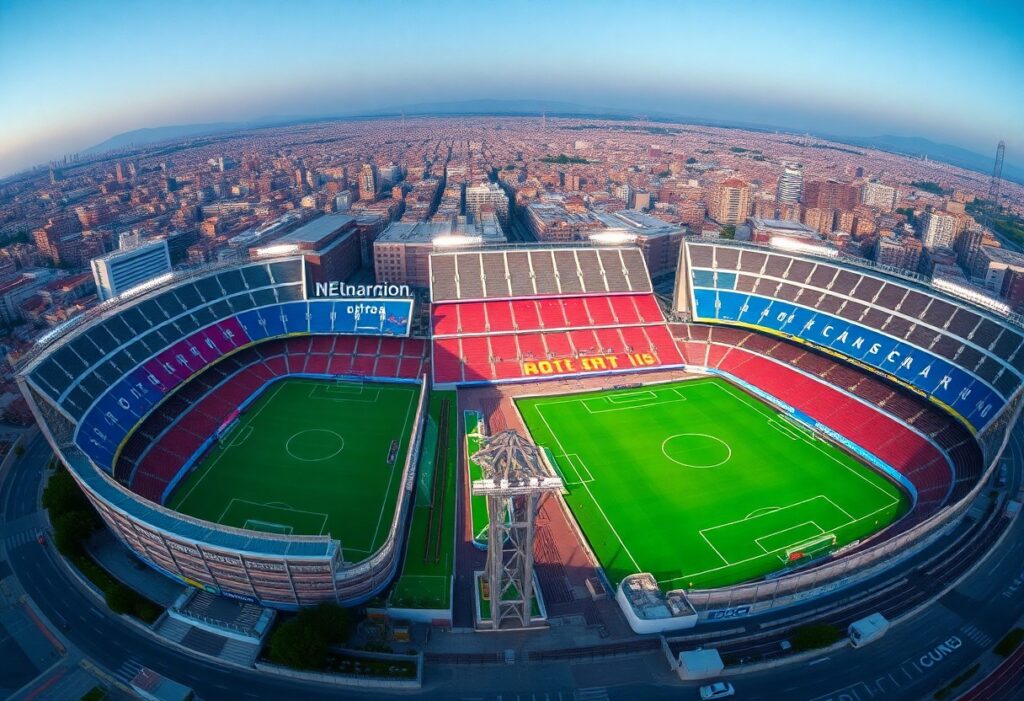
Many of Spain’s greatest clubs play in venues where history shapes every match, and this guide examines what makes each stadium unique: historic architecture, iconic matches and seating capacity define their significance; visitors should be aware of steep terraces and intense crowd pressure that can challenge safety and sightlines; and the legendary atmosphere and passionate fans create unrivaled matchday experiences across La Liga.
Types of Stadiums in La Liga
Stadiums in La Liga span from century-old bowls to cutting-edge arenas, differing by capacity, design and revenue model; examples include the intimate Mestalla (≈49,430) and the expansive Camp Nou (≈99,354). Many combine steep stands for intense atmosphere with modern safety and hospitality upgrades, while municipal venues retain multi-use flexibility. Perceiving these categories clarifies how stadiums influence club identity, matchday income and fan experience.
- Historic stadiums – atmosphere, narrow stands, phased upgrades
- Modern stadiums – all-seater, corporate boxes, UEFA-grade facilities
- Multi-use grounds – concerts and athletics affect sightlines
| Historic – Mestalla | Valencia CF, ≈49,430 |
| Historic – San Mamés | Athletic Club, ≈53,331 (rebuilt 2013) |
| Iconic – Camp Nou | FC Barcelona, ≈99,354 (renovation ongoing) |
| Modern – Wanda Metropolitano | Atlético Madrid, ≈68,456 (opened 2017) |
| Modern – Reale Arena | Real Sociedad, ≈39,500 (renovated 2019) |
Historic Stadiums
Built in the early-to-mid 20th century, historic stadiums like Valencia’s Mestalla (1923) and Athletic’s original San Mamés lineage (1913) offer steep sightlines and vocal atmospheres; many now feature modernized safety systems, limited hospitality spaces and preserved facades. Upgrades often focus on structural reinforcement, improved ingress/egress and upgrading seating to all-seater standards while keeping the original character intact.
Modern Stadiums
New builds and major renovations produce modern stadiums with corporate boxes, wider concourses and integrated media facilities; the Wanda Metropolitano (Atlético, opened 2017, ≈68,456) hosted the 2019 UEFA Champions League final as proof of UEFA Category 4-level capability. These venues prioritize sightlines, acoustics and commercial zones to maximize revenue.
Many modern La Liga arenas deploy hybrid grass, LED lighting, extensive hospitality suites and enhanced accessibility; clubs invest in digital ticketing, high-density Wi‑Fi and premium seating to boost matchday returns, while stadium design increasingly targets mixed-use revenue-retail, museums and event hosting-to offset construction costs.
Key Factors to Consider
Assessing stadiums goes beyond aesthetics: compare capacity ranges, sightlines, modern facilities, and crowd safety records. For example, Camp Nou’s 99,354 seats produce a vast atmosphere, while Bernabéu’s 81,044 seats pair with ongoing renovation features. Any serious evaluation weighs location, transport links and heritage alongside technical specs.
- Capacity and sightlines
- Facilities (hospitality, media, pitch tech)
- Location and accessibility
- Safety and crowd-management
- Historical value and atmosphere
Capacity and Facilities
Compare capacities: Camp Nou (99,354), Bernabéu (81,044), Wanda Metropolitano (68,456), San Mamés (53,331). Modern facilities-VIP boxes, media zones, LED screens and under-soil heating-drive revenue and comfort; Bernabéu’s renovation adds a 360º screen, enhanced hospitality tiers and improved accessibility for broadcast and corporate clients.
Location and Accessibility
Central urban sites like Bernabéu and Camp Nou benefit from dense public transport: Bernabéu has the Santiago Bernabéu metro (L10) and multiple bus routes, while Camp Nou sits within walking distance of Les Corts (L3) and Collblanc (L5). Location dictates pre- and post-match flows and overall accessibility.
Smaller venues such as San Mamés integrate metro, tram and Cercanías services, reducing car reliance and improving safety; conversely, older grounds like Mestalla face narrow approaches and limited parking, which strain crowd management-timed train services, dedicated pedestrian corridors and clear signage often determine whether capacity translates into efficient attendance.
Tips for Visiting La Liga Stadiums
Plan travel and check each club’s official site for tickets, stadium rules, and tour times; many venues limit bag sizes and prohibit flags with poles. Arrive 60-90 minutes early at large grounds like Camp Nou (99,354) or Bernabéu (81,044) to pass security and soak in the atmosphere. Use public transport-metro stops serve most stadiums-and keep a printed or offline copy of digital tickets. Recognizing local matchday customs and security procedures reduces delays and avoids confiscation.
- Buy via official club sites or verified resellers to avoid fraud.
- Join club membership for presale access and lower fees.
- Choose sideline seats for the best view, or behind the goal for cheaper, intense atmosphere.
- Bring photo ID for box-office collection and enable mobile wallets for entry.
- Use metro/bus and allow extra time for bag checks and queuing.
- Avoid street scalpers; secondary markets can be expensive and risky.
- Book off-season stadium tours in June-July to avoid crowds.
Best Times to Visit
Peak season runs August-May during the La Liga calendar; high-profile fixtures such as El Clásico often appear in October and March, driving prices up. Early autumn and late spring offer mild weather and fuller atmospheres, while midweek matches usually have lower attendance and cheaper tickets. Camp Nou (99,354) and Bernabéu (81,044) fill quickly for big games; stadium tours are quieter in June-July when clubs rest between seasons.
Ticket Purchasing Strategies
Buy through official club channels or verified platforms to get authentic tickets; many clubs offer member presales and loyalty queues. Expect El Clásico resale prices from about €150-€600, while mid-table matches often sit in the €20-€80 range. Use club apps for mobile entry, verify QR codes before arrival, and collect at the box office with photo ID if necessary. Avoid unverified sellers to reduce fraud and sudden price inflation.
Membership tiers often open presale windows 48-72 hours before general sale and cut fees; season-ticket exchanges and official resale portals can provide verified returns. Set price alerts on reputable marketplaces and compare total cost after service fees-resale can add 10-40% to face value. Check delivery method (PDF, mobile, box-office pickup) since cross-border travel may require physical collection. Prioritize seating sections listed by clubs and avoid areas next to visiting fans for safety; carry the card used to purchase in case of verification.
Step-by-Step Guide to Exploring Stadiums
| Step | Details |
|---|---|
| Plan | Book matches/tours early; big fixtures like El Clásico sell out months ahead. Check kickoff times and transport for Camp Nou (≈99,354) or Bernabéu (≈81,044). |
| Tickets | Buy via official club sites or verified resellers 2-8 weeks in advance; match tickets often only available as single seats per account on peak games. |
| Arrival | Arrive 60-90 minutes before kickoff for security and fan zones; use public transit and allow extra time for queues. |
| Tours | Many stadiums offer audio-guides and museum access; Bernabéu (~75 min) and Camp Nou (~90 min) are top examples-book morning slots on weekdays. |
| Safety | Expect large crowds; pickpocketing is common near major venues, so keep valuables secured and stay vigilant in fan zones. |
Planning Your Visit
Start by checking official schedules and buying match or tour tickets 2-8 weeks ahead, since fixtures like El Clásico often sell out months in advance; prioritize weekday morning tours to access behind-the-scenes areas. For major arenas such as Camp Nou or Bernabéu, factor in stadium capacities and public-transport timetables, and allow an extra hour for security, queuing, and pre-match fan atmosphere.
Stadium Tours and Experiences
Choose between self-guided and guided tours: Bernabéu’s usual self-guided route runs about 75 minutes, Camp Nou Experience roughly 90 minutes, and Wanda Metropolitano tours include trophy room and pitch access; many packages bundle museum entry and multilingual audio guides, so compare inclusions before booking.
Avoid booking on matchdays if you want full access-several zones close during events. Expect standard security checks, limited photography in certain back-of-house areas, and wheelchair access at most venues. Prices typically range from around €20-€35 for standard museum-plus-pitch tickets; small-group guided tours cost more but offer expanded commentary and exclusive access.
Pros and Cons of Each Stadium
| Pros | Cons |
|---|---|
| Bernabéu: ~81,044 capacity, global prestige, lucrative museum and corporate spaces. | Ongoing renovations since 2019 cause disruptions and heavy commercialization of matchdays. |
| Camp Nou: ~99,354 capacity, unmatched history and tourist draw. | Pre-renovation aging infrastructure; Espai Barça delays have frustrated fans and budgets. |
| Wanda Metropolitano: modern amenities, ~68,000 capacity and clear sightlines. | Less traditional atmosphere and more corporate, distancing some local supporters. |
| San Mamés: steep stands, intense Basque atmosphere, ~53,000 capacity. | Fewer premium boxes compared with newer stadiums, limiting non-ticket revenue. |
| Mestalla: iconic steep terraces and unique acoustics that amplify crowd noise. | Outdated facilities and stalled redevelopment plans reduce comfort and safety upgrades. |
| Sánchez Pizjuán: passionate Sevilla atmosphere and central location. | ~43,883 capacity and limited modern VIP/parking infrastructure. |
| La Rosaleda: central Málaga site with close-knit fanbase and community feel. | ~30,044 capacity and dated amenities constrain large-event potential. |
| Estadio de la Cerámica: compact ~23,000 capacity creates intimate, intense matchdays. | Small size limits revenue and ability to host major international fixtures. |
Advantages of Historic Venues
Historic grounds like the Bernabéu (opened 1947) and Camp Nou (1957) deliver unmatched heritage, driving tourism and museum income; they often feature steep sightlines and acoustics that amplify atmospheres, and longstanding local rituals-chanting sections, fan zones, trophy rooms-boost matchday identity and long-term brand value.
Drawbacks of Modern Stadiums
Modern builds such as Wanda Metropolitano (opened 2017) and San Mamés (2013) provide superior comfort and accessibility, yet they can suffer from a detached atmosphere, higher operating costs, and a corporate feel that dilutes local traditions; rapid construction also risks design choices prioritizing revenue over fan intimacy.
Further, large-scale renovations and new stadium projects are often multi-million-euro endeavors with long timelines: Bernabéu works began in 2019 and have reshaped matchday flow, while Barcelona’s Espai Barça has experienced cost increases and delays-outcomes that can force temporary relocations, reduce capacity, and create prolonged construction-related safety and comfort issues for supporters.
Final Words
The enduring legacy of La Liga’s top stadiums-from Barcelona’s Camp Nou to Madrid’s Santiago Bernabéu and Seville’s Ramón Sánchez Pizjuán-reveals how architecture, fan culture, and strategic modernisation shape Spanish football. These venues serve as living classrooms for tactical evolution, community identity, and sporting excellence, offering unmatched atmosphere while balancing preservation of heritage with contemporary demands for safety, accessibility, and commercial viability.
FAQ
Q: Which stadiums are considered the most historic in La Liga and what makes them significant?
A: Camp Nou (FC Barcelona) and Santiago Bernabéu (Real Madrid) top the list for historical impact and global profile: Camp Nou opened in 1957, is the largest in Spain and hosts iconic El Clásico clashes and an extensive club museum; the Bernabéu, inaugurated in 1947, has staged European finals and served as a symbol of Real Madrid’s domestic and continental dominance. San Mamés (Athletic Bilbao) – nicknamed “The Cathedral” – traces Bilbao’s deep Basque football traditions and was rebuilt in 2013 to combine legacy with modern facilities. Mestalla (Valencia) dates back to the 1920s with its steep stands and atmospheric crowds, while Ramón Sánchez Pizjuán (Sevilla) and Benito Villamarín (Real Betis) are famed for their intense matchday atmospheres and storied European nights. These venues are notable for long club histories, memorable matches, architectural quirks, and roles in community identity.
Q: Are stadium tours available and what do they typically include?
A: Most top La Liga stadiums offer public tours that include access to the club museum, trophy rooms, changing rooms, press areas, mixed zone, and pitchside vantage points; many provide multimedia exhibits and guided commentary or audio guides in several languages. Camp Nou and the Bernabéu run full-day visitor programs with timed entries; San Mamés and Mestalla have shorter tours with strong museum components. Tickets are best purchased online in advance, especially during peak season or around derbies. Tours are often restricted on matchdays or during club events; accessibility services are usually available but should be checked when booking. Expect variable prices, discounts for children/seniors, and combined options that include museum access, virtual experiences, or stadium+city attractions.
Q: How have recent renovations balanced modern needs with preserving the historic character of these venues?
A: Renovations across La Liga aim to improve safety, sightlines, hospitality, and revenue while retaining identity: the Bernabéu’s redevelopment adds a retractable roof, updated façade and premium spaces while conserving the stadium’s symbolic centrality; Camp Nou’s Espai Barça project modernizes capacity, circulation and amenities but emphasizes preserving the club’s visual identity and museum narrative. San Mamés replaced the old bowl with a contemporary structure that retains references to the original “cathedral” atmosphere through seating angles and fan proximity. Mestalla has seen incremental upgrades to infrastructure and accessibility pending larger renovation plans. Overall, clubs balance heritage elements (facades, museum displays, traditional stands) with sustainability measures, improved public transport integration, and enhanced fan experience to keep historic venues relevant for modern football economics and safety standards.