The Role Of Managers In Shaping La Liga’s Modern Era
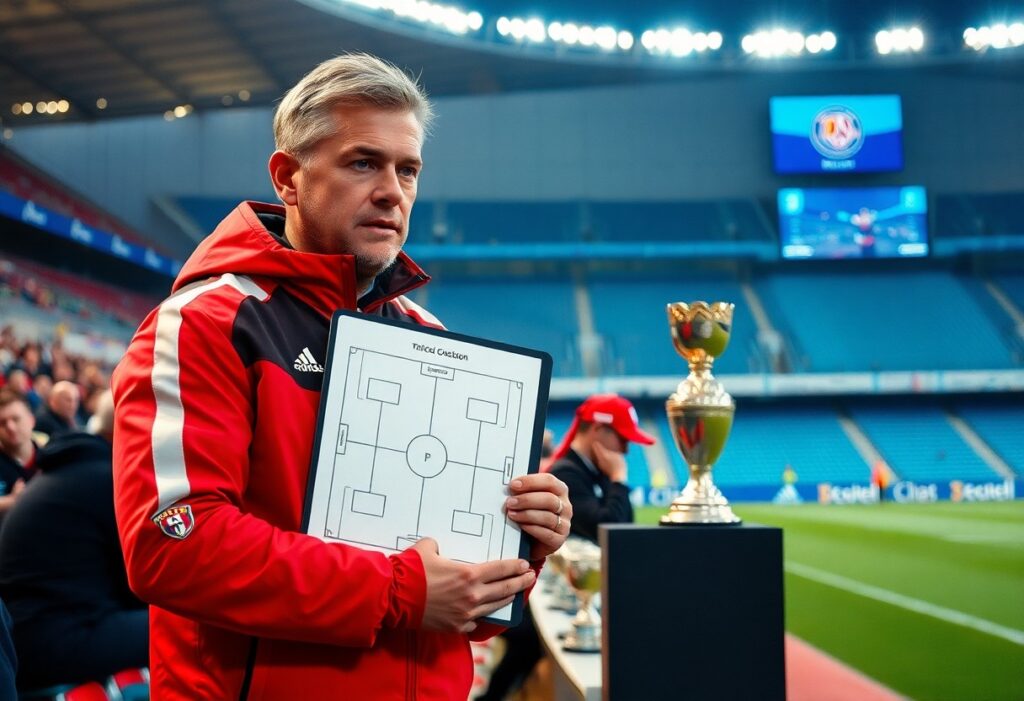
LaLiga managers have defined the modern era by bringing tactical innovation that reworked match control, transfer strategies that reshaped squads, and emphasis on youth development securing long-term competitiveness; they also navigated financial pressure and intense media scrutiny that can destabilize clubs, while imposing identities and systems that raised league standards and international prestige.
Types of Managers in La Liga
Different profiles shape club identity: Tactical Managers prioritize systems and in-game adjustments; Player Development Managers convert juveniles into first-team starters; Pragmatic Managers optimize results with limited resources; Visionary/Project Managers rebuild squads over multiple seasons; Rotational/Youth Managers focus on squad depth and minute-management. Each profile appears across La Liga, from Barcelona and Real Madrid to mid-table clubs, and influences transfer strategy, minutes allocation and long-term sporting models.
- Tactical Managers
- Player Development Managers
- Pragmatic Managers
- Visionary/Project Managers
- Rotational/Youth Managers
| Tactical Managers | Prioritize formation, pressing and match-to-match adjustments; examples include Pep Guardiola (2008-2012) and his possession model. |
| Player Development Managers | Integrate academy graduates into the first team; La Masia and Castilla pipelines illustrate this pathway. |
| Pragmatic Managers | Focus on results with constrained budgets-set-pieces, counter-attacks and defensive structure deliver points. |
| Visionary/Project Managers | Lead multi-year rebuilds, reshaping scouting and youth strategy to produce sustainable success. |
| Rotational/Youth Managers | Manage squad minutes across competitions, develop fringe players and reduce injury risk through rotation. |
Tactical Managers
They change game outcomes via structure and detail: Guardiola’s Barcelona (2008-2012) emphasized possession and positional play to win three La Liga titles, while Diego Simeone’s Atlético (titles in 2013-14 and 2020-21) used compact defense and counter patterns; managers in this mold often switch between 4-3-3 and 3-5-2, alter pressing intensity and exploit opposition weaknesses within a single match.
Player Development Managers
These managers accelerate academy talent into senior roles: Barcelona’s La Masia produced Xavi, Iniesta, Busquets and Messi under managers who prioritized internal promotion, and clubs like Real Sociedad and Athletic Club have long-term models that consistently supply first-team minutes to youth prospects.
Assume that successful development managers combine targeted loan strategies, measurable minutes targets for promoted players and a clear pathway-Barcelona and Real Madrid routinely design season plans where several academy graduates receive phased exposure, while clubs monitor progress with performance metrics and tailored loan destinations to maximize first-team readiness.
Key Factors Influencing Managerial Success
Managers shape outcomes through systems, transfers, youth promotion, analytics and man-management; Guardiola’s three La Liga titles at Barcelona built on positional play and the false nine, Simeone’s 2013-14 triumph relied on intense defensive structure, and Zidane combined rotation and player relations to win two La Liga trophies and three Champions Leagues. Data-driven sports science reduces injuries and targeted scouting finds undervalued talent. After converting these elements into club-wide practices, teams sustain high performance across 38-match seasons.
- Tactical Acumen
- Team Chemistry
- Transfer Strategy
- Youth Development
- Sports Science & Analytics
- Man-Management
Tactical Acumen
Elite managers win with adaptable systems, sharp in-game adjustments and set-piece planning; Guardiola’s use of a false nine and meticulous positional play at Barcelona reshaped opponents from 2008-2012, while Simeone’s disciplined 4-4-2 prioritized counterattacks and compact defending to claim the 2013-14 title. Tactical success also depends on opponent-specific scouting, pressing triggers and timely substitutions that flip match momentum.
Team Chemistry
Beyond formations, cohesion in the dressing room drives consistency; Barcelona under Guardiola leveraged a La Masia core-Xavi, Iniesta, Busquets-for seamless understanding, while Real Madrid’s 2011-12 squad overcame internal tensions to amass a record 100 points under Mourinho. Strong leaders, shared values and rotation policies minimize locker-room fractures and maintain morale across 38-game seasons.
Solid chemistry requires deliberate onboarding: assign mentors to new signings, set language support and define roles so players integrate quickly; PSG-style marquee acquisitions that lack integration often underperform in La Liga’s collective systems. Zidane’s Real shows the payoff when a coach rotated top stars like Benzema and Ronaldo while protecting relationships, and when transparent selection criteria and visible captaincy reduce disputes and sustain resilience.
Tips for Aspiring Managers in La Liga
Study how Simeone’s Atlético (La Liga champions 2013-14, 2020-21) built a disciplined defensive identity and how Guardiola’s Barcelona (2008-09 treble) reset possession norms; prioritize adaptable systems and youth promotion since clubs like Barcelona and Athletic Bilbao lean on academy graduates; adopt analytics and pragmatic recruitment to close gaps with wealthy rivals. Recognizing that aligning strategy with each club’s fiscal reality and identity determines immediate expectations and long-term progress.
- La Liga
- tactics
- scouting
- player development
- man-management
- analytics
Building a Strong Network
Forge relationships with directors of football, scouts and agents across Spain, France and South America; many La Liga recruits come from Argentina and Brazil, and transfers like Vinícius Jr.’s move from Flamengo illustrate the payoff. Use platforms like Wyscout and InStat, attend reserve and Segunda matches regularly, and target 10-20 in-depth scouting reports per month to identify undervalued talent.
Understanding Club Culture
Assess identity quickly: Athletic Bilbao‘s Basque-only policy forces internal promotion, Barcelona‘s La Masia heritage demands positional continuity, and Real Madrid prioritizes immediate silverware-so adapt communication, squad rotation and transfer plans to those expectations.
Delve into examples: Athletic’s recruitment restricts the market, so managers must develop academy pathways; Barcelona’s production of Xavi and Iniesta means preserving midfield structures; Sevilla’s emphasis on smart scouting and European competition (six UEFA Europa League titles since 2006) shows how identity can be paired with a sale-and-reinvest model. Aligning training methods, public messaging and recruitment avoids clashes with boards and supporters.
Step-by-Step Guide to Managerial Roles
Step-by-Step Breakdown
| Phase | Primary Actions |
|---|---|
| Initial Assessment | Audit squad, medical, youth pipeline, and budget; benchmark vs top 4 rivals |
| Squad Building | Target transfers and promotions that fit tactic and LaLiga salary limits |
| Training & Tactics | Install shape, set-piece routines, pressing triggers, and rotation plan |
| Match Management | Pre-match plans, in-game adjustments, and post-match analysis with data |
Initial Assessment
Start by auditing the last 12 months: review injury lists, minutes played, and gaps-defensive lapses or a thin left flank show as immediate priorities. Use performance data and scouting to rank targets; Pep Guardiola’s 2008 squad overhaul at Barcelona prioritized midfield control and depth, delivering three La Liga titles in his first four seasons. Flag any financial constraints early, since LaLiga’s salary control forces tactical compromises.
Implementing Strategy
Translate the assessment into a phased plan: set short-term fixes (set-piece focus, rotation patterns) and medium-term targets (two signings, youth integration). Simeone’s Atlético examples-building from defensive solidity to selective attacking signings-show how aligning transfers with a clear system delivers titles like 2013-14 and 2020-21. Protect the process by syncing board, director of football, and analytics to avoid tactical drift.
Operationally, roll out in defined windows: weeks 1-6 for defensive shape and conditioning, weeks 7-18 for pressing patterns and attacking combinations, and the summer for targeted signings that match the system. Employ GPS loads, video clips, and opponent dossiers; prioritize two measurable KPIs-expected goals conceded and chance creation per 90-so progress is quantifiable and transfer decisions stay evidence-based.
Pros and Cons of Managerial Styles
| Pros | Cons |
|---|---|
| Innovative tactics can create dominance-Guardiola’s Barca (2008-2012) delivered 14 trophies through positional play. | Innovation invites counter-strategies; sustained success requires continual evolution or teams become predictable. |
| Youth integration lowers costs and builds identity-La Masia produced Messi, Xavi, Iniesta. | Relying on youth delays peak performance and risks inconsistency in elite competitions. |
| Defensive discipline brings results-Simeone (in charge since 2011) won LaLiga 2013-14 and 2020-21 with compact structure. | Overemphasis on defense can reduce attacking creativity and fan approval. |
| Manager-led recruitment aligns squad to philosophy, improving cohesion. | Bad signings amplify costs; managerial mistakes compound financial risk. |
| Authoritarian control enforces standards and short-term performance. | Rigid regimes increase player turnover and can create internal unrest. |
| Democratic approaches boost morale and retention, aiding projects like Pochettino’s Spurs (2014-2019). | Consensus-building slows tactical decisions and can dilute accountability. |
| Short-term hires can deliver immediate trophies-Mourinho’s LaLiga 2011-12 example. | Frequent changes cost continuity, youth pathways, and long-term planning. |
| Long-term projects often produce sustained competitiveness and academy returns. | They require patience and stable finances; poor interim results can trigger owner impatience. |
Authoritarian vs. Democratic
Simeone’s intense, authoritarian model enforces defensive lines and collective work-rate, producing titles and European finals since 2011; conversely, Pochettino’s more democratic approach at Tottenham (2014-2019) emphasized player autonomy and youth promotion, culminating in a 2019 Champions League final. Each style yields trade-offs: authoritarian setups deliver discipline and short-term results, while democratic environments foster development and retention but may delay tactical clarity.
Short-term Gains vs. Long-term Vision
Clubs chasing instant success often recruit experienced names who deliver immediate trophies-Mourinho’s 2011-12 LaLiga at Real-while patient projects like Pochettino’s Spurs (five seasons, UCL final 2019) or Simeone’s decade-long Atletico build generate sustained competitiveness and academy integration, trading rapid silverware for structural stability and lower recurring transfer spend.
Financially, frequent managerial turnover correlates with higher transfer churn and wage inflation as clubs reshuffle squads to fit new systems. Atletico’s model under Simeone (manager since 2011) shows how stability yielded two LaLiga titles and repeated UCL contention, while clubs with rapid cycles often incur heavy costs and disrupted youth pipelines. Practically, boards must weigh immediate commercial returns from trophies against measurable long-term metrics: academy graduates promoted, net transfer spend, and multi-year points per season trends. High turnover raises operational risk, whereas sustained projects can unlock market value from developed assets.
The Future of Management in La Liga
Managers will increasingly blend tactical acumen with organizational leadership across LaLiga’s 20 clubs, driving decisions from recruitment to youth promotion. Examples like Monchi’s Sevilla recruitment model and Xavi’s emphasis on academy integration show how managerial influence reshapes club structure. Expect more managers to take board-level roles in sporting strategy, using performance data and targeted scouting to deliver both on-pitch success and long-term financial sustainability.
Trends and Innovations
Squad rotation, targeted youth pathways and multi-phase scouting are becoming standard, while tactical flexibility-pressing and possession hybrids-dominates match plans. Clubs now pair traditional scouts with data teams, mirroring Sevilla and Villarreal’s models, to identify undervalued players and sell for profit. Management is shifting toward measurable KPIs for player development, contract length, and return on investment to align sporting and business goals.
The Impact of Technology
Wearables, optical tracking and providers like Opta/StatsBomb have transformed preparation: GPS units sampling at 10-20 Hz feed load metrics to reduce injuries, and video platforms allow granular opponent scouting. Managers use AI scouting models and VR for goalkeeper training, while VAR and advanced analytics reshape in-game decisions. These tools offer competitive advantage but also raise data privacy and over-reliance risks.
Deeper adoption shows concrete workflows: performance staff export high-intensity sprint counts, heart-rate variability and session-RPE into dashboards that flag overload before injuries occur; recruitment teams run machine-learning models on millions of event-data points to predict expected goals contribution and resale value. Clubs must ensure GDPR-compliant databases and controlled access, since a single breach can leak medical records or strategic reports. When integrated properly, tech reduces downtime, improves transfer hit-rate and lets managers make faster, evidence-based tactical choices.
Final Words
Conclusively, managers have driven La Liga’s modern era by defining tactical identities, fostering youth pathways, steering transfer strategies and integrating analytics and sports science; their leadership shaped club cultures, intensified rivalries and expanded the league’s global appeal, ensuring tactical innovation and institutional stability that underpin contemporary Spanish football.
FAQ
Q: How have managers’ tactical philosophies reshaped La Liga’s style of play?
A: Managers have driven major tactical shifts across the league by introducing and refining systems that emphasize positional play, pressing, and rapid transitions. Early architects instilled a possession-based, positionally disciplined model that prioritized ball circulation and space creation; later coaches refined that into the high-tempo, short-passing game associated with modern Barcelona teams. At the same time, other managers developed compact, defensively organized systems that prioritize structure, counterattacks and set-piece efficiency, forcing rivals to adapt. Innovations such as inverted full-backs, the false nine, coordinated high pressing and structured counter-pressing became common because coaches implemented them successfully at top clubs, then competitors copied or adapted those ideas. The result is a league where tactical variety and technical demands are higher, and teams prepare with more specialized training, video analysis and opponent-specific plans than in previous eras.
Q: What role have managers played in developing youth and shaping club identity in La Liga?
A: Managers have often set long-term philosophies that aligned first-team tactics with academy development, turning clubs into production lines for style-specific talent. When a head coach commits to a clear playing identity, recruitment, coaching curricula and youth promotion follow: clubs redesign training methods, scouting criteria and even pitch time for youngsters to accelerate tactical integration. That approach has produced homegrown core players who understand the club’s system from adolescence, reduced reliance on expensive signings, and increased player resale values. Managers also shape cultural identity – prioritizing technical excellence, grit, or tactical discipline – which influences recruitment, fan expectations and the club’s public image. This alignment between manager, academy and sporting directors has been a major factor in several clubs’ sustainable competitive models.
Q: In what ways have managers influenced La Liga’s competitiveness and global profile?
A: Managers have raised the league’s profile by producing memorable tactical rivalries, developing world-class players and delivering high-level performances in continental competitions. High-profile coaches attract media attention and top talent, which helps broadcast appeal and international marketability. Their tactical battles-especially among the league’s elite-create compelling narratives that drive viewership and sponsorship. Off the pitch, many managers introduced modern sports science, data analysis and individualized preparation, improving player longevity and performance consistency across competitions. Collectively, these factors have increased La Liga’s commercial value, helped clubs succeed in Europe more regularly, and made the league a testbed for tactical innovation that draws global coaching interest and talent migration.