Why The 2026 World Cup Will Be A Game-Changer For Soccer Fans Everywhere
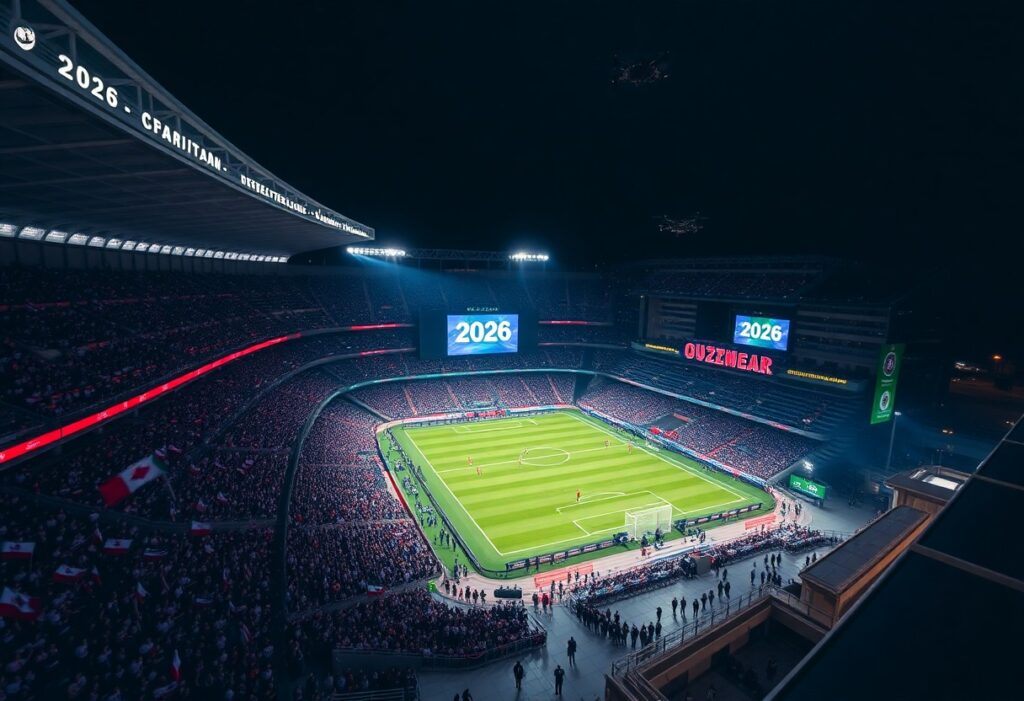
You will witness a tournament that reshapes the game with a 48-team format, tri-nation hosting and next-level stadium technology and broadcast upgrades, delivering expanded fan access and global reach while also testing systems with significant security and logistical challenges that will force permanent change in how soccer is organized and experienced.
The Expansion of Teams and Nations
With the shift to a 48-team format, the 2026 World Cup adds 16 extra berths and reorganizes the group stage into 16 groups of three, amplifying competitive diversity. Hosts USA, Canada and Mexico guarantee broad CONCACAF representation across many markets, while smaller federations gain clearer pathways to knockout rounds, forcing organizers to coordinate venues, travel and scheduling across a continent-spanning footprint.
More Opportunities for Participation
More slots mean federations that once hovered near qualification now have realistic routes to the finals; Iceland and Panama’s 2018 debuts show how a single tournament can transform domestic programs. The 16 additional places will likely produce several first-time participants, driving increased youth registrations, targeted coaching hires and a measurable uptick in FIFA and sponsor investment tied to World Cup exposure.
Impact on Global Representation
Expanding teams reshapes continental balance by lifting voices from Africa, Asia and Oceania, broadening tactical styles and fan narratives on the world stage. Broadcasters gain new markets and advertisers, while national pride translates into infrastructure projects. At the same time, there is a real risk of diluted group-stage quality, so confederations must manage qualification strength alongside inclusivity.
Case studies reinforce that effect: Iceland’s 2018 qualification led to nationwide facility upgrades and coaching initiatives, and Panama used World Cup visibility to secure sponsorships and bolster academies. For 2026, any federation that secures a berth can expect immediate boosts in funding, scouting reach and youth pathways, turning qualification into a multi-year development catalyst.
Innovative Stadium Enhancements
Technological Advancements
With the tournament spread across 16 host cities and a 48-team format, stadiums are installing widespread 5G and edge-compute nodes to handle surge traffic. 4K/8K camera arrays and AI-driven analytics
Fan Experience Improvements
Cashless concessions, mobile ticketing, biometric entry and app-based wayfinding will shorten queues and personalize visits; several host stadiums already offer in-seat delivery and dynamic seat upgrades. Multilingual interfaces (English/Spanish/French) and dedicated family and accessible zones will handle diverse crowds, while stadium apps will push targeted offers, seat-specific replays, and real-time transit updates.
For example, trial runs in 2025 will validate features like app-triggered AR replays and contactless hospitality: stadiums plan to deploy thousands of IoT sensors to monitor crowd flow, enabling staff to reroute lines and open auxiliary gates during peaks. Ticket marketplaces integrated with venue apps will allow last-minute upgrades and secure resale, and combined with biometric entry and digital wallets, organizers expect significantly faster ingress, smoother concessions, and a clear reduction in congestion-related incidents.
Economic Impact on Host Cities
Hosting 104 matches across three countries and 16 cities will concentrate millions of fans, driving hotel, food-and-beverage, and transport spending; estimates suggest host regions can see billions in incremental spending, with match-week hotel occupancy often rising above 80%. Cities like New York-New Jersey, Mexico City, and Toronto are already projecting capacity upgrades to handle surges. However, short-term revenue must be balanced with costs for security and infrastructure.
Job Creation and Tourism
Match weeks will create tens of thousands of temporary jobs in construction, security, hospitality, and transportation; tourism boards anticipate visitor numbers reaching into the millions, concentrating demand in gateway cities. Local suppliers-caterers, retailers, logistics firms-see order books swell, while volunteer and training programs provide pathways to permanent roles, so targeted workforce development can convert event hiring into sustainable employment.
Long-term Benefits for Local Economies
Beyond immediate revenue, infrastructure investments often catalyze urban renewal and sustained tourism; 1994’s U.S. World Cup helped accelerate Major League Soccer’s launch and stadium investment. Expect transit extensions, hotel inventory growth, and lasting increases in international visitation. Yet cities face the risk of debt burdens and underused venues without strong legacy planning.
Cities that tie event spending to durable assets see the biggest payoffs: converting stadium precincts into mixed-use neighborhoods, committing to transit projects, and securing hotel investments can attract hundreds of millions in private capital post-tournament. Past mistakes-Brazil 2014’s largely idle venues-underline the danger of one-off builds; conversely, legacy-focused deals in other events have boosted property tax bases and tourism long after final whistles. Public-private partnerships, community benefit agreements, and phased financing turn short-term influxes into measurable gains over a 5-10 year horizon.
Media Coverage and Accessibility
Massive, synchronized coverage across the USA, Canada and Mexico will make all 104 matches accessible to global audiences via traditional TV and streaming platforms. Broadcasters will offer multilingual commentary, audio-described feeds and closed captions for disability access, and centralized scheduling apps to manage overlapping kickoff times across 16 host cities. Expect coordinated broadcast windows, local pop-up channels in host markets, and FIFA+ augmenting reach with free clips and match centers.
Increased Broadcasting Options
Broadcasters are locking in multi-platform rights-major partners (e.g., Fox/Telemundo in the U.S., TSN/RDS in Canada, Televisa/TV Azteca in Mexico) will pair linear feeds with 4K/HDR video, Dolby Atmos audio and multiple camera-angle streams. Simultaneous matches will run on companion apps with time-shift and condensed-game modes; pay-TV and free ad-supported tiers will coexist, increasing choice but also complicating regional blackouts and subscription management.
Engagement Through Social Media
Clubs, federations and platforms will use short-form video, live micro-highlights and AR filters to fuel engagement across TikTok, X, Instagram Reels and Twitch watch parties, turning raw clips into viral moments within minutes. Teams will localize content in multiple languages and push tactical breakdowns for niche fans; real-time highlights and player-generated posts will reshape narrative control and drive record social metrics.
Expect influencer partnerships, official creator funds and sponsor-driven challenges to monetize attention, while broadcasters experiment with interactive polls, in-stream betting integrations and low-latency 5G feeds for synchronized watch experiences. Moderation and deepfake risks will rise alongside reach; platforms and rights holders must scale verification and fact-checking to prevent misinformation and protect integrity.
Youth Development and Grassroots Programs
Across North America, federations and clubs are ramping up talent pathways: MLS Next, Liga MX academies and Canada Soccer initiatives are expanding coach licensing, scouting networks and youth competitions before the tournament. With FIFA Forward and private partnerships directing resources into local facilities and equipment, expect more organized programming in urban centers and targeted outreach in underrepresented areas. Increased coach education, more youth tournaments and clearer pro pathways raise the odds of late-blooming talent being discovered, but unequal access between cities and rural regions remains a serious concern.
Inspiring the Next Generation
Televising 104 matches across three countries gives millions of children direct exposure to elite play; federations are stacking that visibility with school visits, grassroots clinics and youth fan zones modeled on successful past campaigns. Case studies show youth registrations spike after major events, and federations plan ticket allocations and player-ambassador programs to turn inspiration into participation. Immediate surge in interest can translate into long-term club enrollment if paired with accessible coaching and local league slots.
Investment in Soccer Infrastructure
Host preparations are driving stadium and training upgrades-examples include renovations at MetLife, AT&T Stadium and Estadio Azteca-and a wave of community investments: new training centers, hybrid-turf pitches, improved lighting and expanded locker/medical facilities. Municipalities are pairing public funds with private partners to deliver multi-million-dollar upgrades aimed at both elite preparation and neighborhood use, though ongoing maintenance costs could strain smaller associations.
More granularly, legacy plans emphasize coach-education hubs, talent ID centers and shared-use futsal courts sited near youth populations, with sustainability features like water-efficient turf and LED lighting to cut operating costs. Partnerships with universities and pro clubs promise data-driven player tracking and scholarship pipelines; at the same time, uneven municipal budgets risk leaving rural and low-income urban areas behind unless federations earmark dedicated follow-up funding.
Challenges Ahead
The expanded format-48 teams, 104 matches across 16 host cities in three countries-creates a web of operational, legal and fiscal headaches: cross-border visas, divergent stadium standards, multi-jurisdictional security coordination and compressed calendars. Host municipalities face pressure to upgrade transport and accommodation while preserving fan experience; FIFA and local federations must manage ballooning budgets and deliver consistent broadcast windows without overtaxing players or alienating supporters.
Logistical and Financial Concerns
Stadium upgrades, expanded training bases and expanded policing will push public-private financing models; past tournaments (e.g., Brazil 2014) saw billions in infrastructure spending and political backlash. Organizers must secure enough hotel capacity, plan cross-border fan transit, and harmonize taxation and visa rules. Failure to synchronize security, ticketing and broadcast logistics could produce overruns and degraded fan experiences, especially in secondary host cities with limited legacy infrastructure.
Balancing Competition and Fairness
The proposed 16×3 group format raises fairness questions: with only three teams per group and two advancing, the last match sequencing can create collusion risks reminiscent of the 1982 Gijón incident, while weaker entrants may inflate scorelines and distort goal-difference tiebreakers. Proper seeding, transparent draw procedures and equitable match scheduling are needed to protect competitive integrity and avoid diluting tournament quality.
Mitigations include rigorous seeding based on updated FIFA coefficients, mandatory rest windows to limit travel fatigue, and amplified anti-corruption enforcement with real-time betting monitoring. Implementing uniform stadium requirements, increased financial support for smaller federations to raise competitiveness, and expanded VAR and disciplinary tie-breakers (fair play points, head-to-head before goal difference) can help. UEFA’s Nations League offers a case study on improving competitive balance by creating meaningful fixtures and reducing mismatches; applying similar incentives and redistributive prize structures would encourage stronger performances across all 48 participants.
Summing up
Now the 2026 World Cup will reshape fan experience worldwide by expanding access, showcasing diverse host venues across three countries, and accelerating broadcast and stadium technology; broader qualification and more matches mean new rivalries and local engagement, while upgraded streaming, ticketing and transport promise smoother attendance and richer viewing for casual and devoted fans alike, marking a lasting shift in how football is watched and celebrated.
FAQ
Q: How will the expanded 48-team format change what fans can expect during the tournament?
A: The move from 32 to 48 teams increases the number of matches (80 total), broadens geographic and cultural representation, and creates more opportunities to see emerging nations and marquee teams alike. Fans can expect a wider variety of matchups and storylines, more group-stage drama as underdogs face established powers, and additional matchdays in multiple host cities across the United States, Canada, and Mexico. That means more local access for regional fans, a greater range of ticket prices and packages, and a longer window for planning travel or at-home viewing. On the flip side, simultaneous matches and a heavier schedule demand careful planning for attending supporters and broadcasters to avoid clashes and maximize viewing choices.
Q: What stadium and broadcast innovations will make watching the 2026 World Cup different from past tournaments?
A: Host venues have been upgraded for connectivity, accessibility, and comfort: widespread 5G/Wi‑Fi, improved sightlines, enhanced concessions and contactless services, and accessibility features for diverse fan needs. Broadcasts will leverage higher-resolution cameras, expanded data overlays, multiple camera angles, and immersive options such as augmented-reality stats and enhanced replays to deepen the at-home experience. Second-screen apps will offer live stats, interactive content, and ticket/transport integration for attendees. VAR and officiating technology will continue evolving to speed decisions and clarity. Collectively, these changes raise the production value and interactivity both inside stadiums and for global audiences.
Q: In what ways will the 2026 World Cup shape long-term interest in soccer and fandom worldwide?
A: Hosting across three North American countries creates sustained investment in facilities, youth programs, and local clubs that drives grassroots participation. Increased visibility for more national teams expands fan bases, while commercial deals and media exposure boost club and league profiles (notably MLS and Liga MX). The tournament will create cultural moments that convert casual viewers into lifelong fans, stimulate merchandise and hospitality markets, and encourage infrastructure legacies such as training centers and community programs. Over time this should deepen domestic fan engagement, broaden international interest, and provide a stronger pipeline of talent and supporters for the sport.