Top Cities To Visit During The 2026 World Cup: A Travel Guide For Fans
You should prioritize logistics and cultural hotspots when choosing host cities; securing tickets early, booking transit and accommodation in advance will save headaches. Top picks like Mexico City, Los Angeles, New York, and Toronto offer stadium atmosphere and local attractions, while be alert for crowded areas and pickpocketing risks and follow local advisories. Plan for fan zones, public transit, and time to explore neighborhoods to maximize the experience.
Overview of the 2026 World Cup
With the tournament expanded to 48 teams and spanning three countries, the 2026 World Cup delivers unprecedented scale: 104 matches across June-July 2026. Expect a mix of mega-stadium spectacles and compact city atmospheres, major price surges for flights and hotels, and intense local fan programming. Fans should plan for long intercity transfers in the U.S. while taking advantage of extra match days to combine stadium visits with cultural hotspots in host cities.
Host Countries
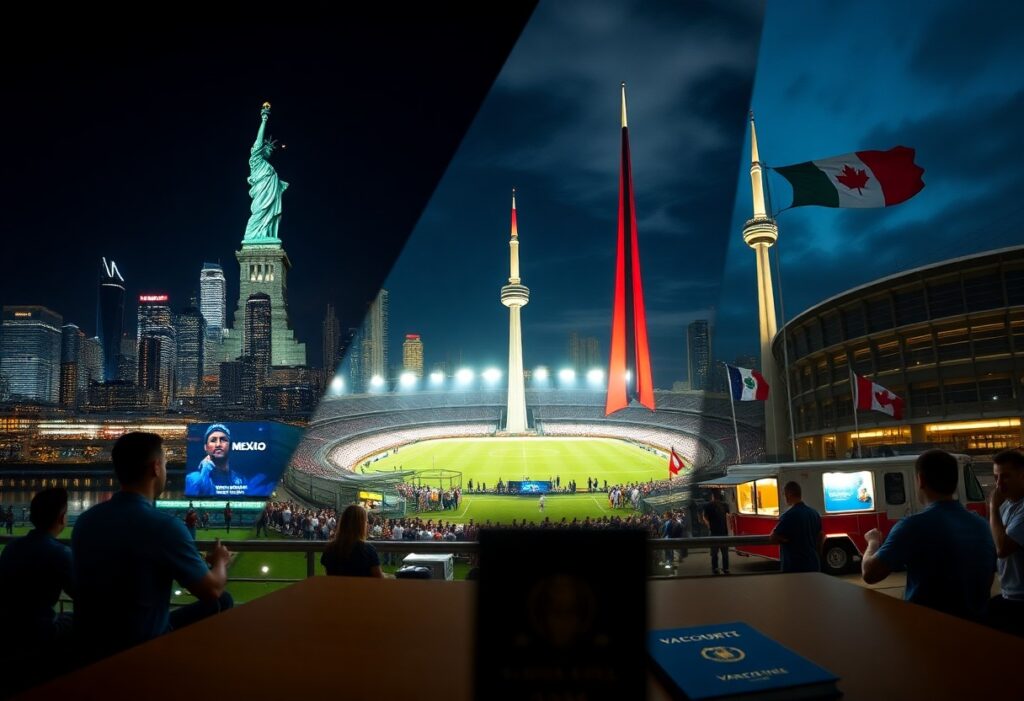
The event is co-hosted by the United States, Mexico and Canada, with 11 U.S. cities, 3 in Mexico and 2 in Canada selected as venues. Examples include Los Angeles and New York/New Jersey in the U.S., Mexico City and Guadalajara in Mexico, plus Toronto and Vancouver in Canada. Each country offers very different travel logistics, visa rules and local fan cultures that directly affect routing and accommodation choices.
Tournament Format
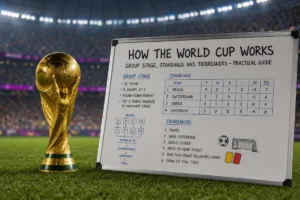
The format uses 16 groups of three, each team playing two group matches and the top two advancing to a 32-team knockout phase, producing a total of 104 matches. Group-stage scheduling compresses outcomes-every match carries big weight-and knockouts expand fan opportunities for multi-city travel as rounds concentrate in larger venues from the Round of 16 onward.
Because each team plays only two group games, match stakes are higher and upsets more likely; that increases demand for single-match tickets and last-minute travel. Organizers built rest-day buffers, but fans attending multiple rounds should account for longer transfers between U.S. host cities, potential afternoon-evening doubleheaders, and staggered ticketing releases-book flights and lodging early to avoid sold-out matches and steep price spikes.
Top Cities to Visit
Split time between megacities and smaller host towns-each offers unique logistics: frequent match clusters mean some cities will host 2-3 games per week, so plan transport and accommodation accordingly. Expect fan zones with capacities of 20,000-50,000 and major transit hubs to be busiest on match days; book hotels and match-day trains well in advance to avoid sold-out nights.
City 1: Notable Attractions and Stadiums
City 1 hosts two World Cup venues: National Stadium (capacity 65,000) and Riverside Arena (40,000). Visitors can combine match tickets with a UNESCO-listed old quarter, the Maritime Museum (120,000 annual visitors), and tram line 1 linking stadiums to downtown in roughly 12 minutes. Be aware that stadium-side tailgates are packed and ticket queues can exceed 90 minutes on high-profile match days.
City 2: Cultural Highlights and Events
City 2’s cultural calendar explodes during the Cup: night markets, an arts biennale, and a citywide Fan Park (capacity ~30,000) host nightly concerts and big-screen screenings. Over 20 museums stay open late on match nights, while street performers and pop-up food stalls create nonstop atmosphere; note late-night transit reductions after 1-2 a.m. when planning returns.
During a recent international tournament test event, shuttle services moved up to 15,000 fans per hour between the airport and central Fan Park, and Old Town hotels (served by Lines A and B) filled weeks in advance. Buy a 7-day transit pass, set alerts for temporary street closures, and book cultural tours early to secure late-entry museum slots and guided neighborhood walks.
City 3: Local Cuisine and Nightlife
City 3 is a culinary hotspot: signature dishes include grilled seafood platters and spiced skewers, with street meals averaging $7-15 and sit-down dinners $25-40. Nightlife centers in the Warehouse District where bars and microbreweries stay open past midnight; try local craft beer and sample late-night street food at Fan Zone peripheral stalls for authentic flavors.
Late-night venues often host live bands and DJs until 3-4 a.m., with cover charges typically $5-20; taxis surge on match nights, so arrange reliable ride-hailing or prebook a licensed cab. Use contactless payments or city transit cards for faster service, and avoid unmetered rides-stick to well-lit, busy streets after matches for safety.
Travel Tips for Fans
Pack copies of your tickets and ID, activate an international data plan or local SIM, and preload the official World Cup apps for schedules and stadium maps. Expect security screenings and arrive at least 90 minutes before kickoff in many of the 2026 host cities; carry small bills for vendors and keep emergency contacts handy. Thou book only through FIFA-authorized resale platforms and buy travel insurance that covers event cancellations and missed connections.
- Tickets: use official resale and verify barcodes.
- Transportation: check match-day timetables and park‑and‑ride options.
- Accommodation: prioritize refundable bookings within 5 km of stadiums.
- Safety: note local emergency numbers and heat advisories.
- Connectivity: get a local SIM or eSIM for maps and updates.
Transportation Options
Major host cities run extra public transit services on match days-New York’s MTA, Toronto’s TTC and Vancouver’s SkyTrain add trains; Mexico City expands Metro hours for big fixtures. Allow 60-120 minutes for travel, avoid rideshare during peak surge pricing, and use designated fan shuttles or park‑and‑ride lots when available to skip downtown congestion.
Accommodation Recommendations
Book hotels with flexible cancellation within a 5‑km radius of stadiums to cut commute times and reduce match‑day stress; expect nightly rates to rise 2-4x. Choose listings with verified reviews, free cancellation, and clear ID policies, and prioritize properties offering shuttles or proximity to transportation hubs.
In Mexico City favor Condesa or Roma for safety and nightlife, in Toronto aim for Downtown or the Exhibition area near major venues, and in Los Angeles consider Koreatown or Downtown for transit links. Watch for unlicensed short‑term rentals that can be illegal in some cities, compare total fees (taxes, cleaning, city surcharges), and book refundable options to hedge against schedule changes.
Fan Experience
With 48 teams and 16 host cities across the US, Canada, and Mexico, match weekends will brim with nonstop activity; expect packed public transit, staggered scheduling, and vibrant local events that reward careful planning. Prioritize advance ticketing, transit passes, and neighborhood itineraries to balance match-day commitments with cultural stops. Fans often swap stadium time for nearby markets and museums, turning single-game trips into full cultural days while navigating peak crowds.
Fan Zones and Activities
Official FIFA Fan Fests and city-run zones will offer live screenings, stage performances, and food markets-some sites are sized to handle tens of thousands per day. Cities typically program team-specific meetups, youth clinics, and sponsor activations; for example, past tournaments saw large public screenings in Mexico City plazas and pop-up fan villages in U.S. downtown parks. Plan to arrive early for headline acts and autograph sessions.
Safety and Security Measures
Host cities will enforce strict security screenings-bag policies, metal detectors, credential checks-and boost police and stewarding around stadia and fan zones. Emergency medical tents and multilingual signage will be common, while venue apps and SMS alerts provide real-time updates. Most venues publish prohibited item lists and recommend arriving at least 90 minutes before kickoff to clear security lines.
Public transit systems will run extended services and staged crowd control; expect road closures and ticketed entry lanes within walking distance of stadiums. Heat mitigation is being prioritized in southern venues with cooling stations, free water points, and shaded queuing. Stay vigilant for common threats like pickpocketing and heat illness; carry copies of passports, keep valuables secured, and register with your embassy or consulate for timely alerts.
Exploring Beyond the Matches
Mix match days with cultural stops and short excursions to reduce fatigue and soak up local life: visit museums during morning hours, stroll historic neighborhoods at sunset, and sample street food near stadiums. Expect heavy crowds and traffic around kickoffs; plan 2-3 hour windows for transfers. Opt for neighborhood-specific highlights like Vancouver’s waterfront, Mexico City’s Coyoacán, or Toronto’s Distillery District to maximize time between games.
Day Trips and Local Tours
Plan realistic day trips: Toronto to Niagara Falls (~129 km, 90-120 minutes), Mexico City to Teotihuacan (~50 km, ~1 hour), Vancouver to Whistler (121 km, 1.5-2 hours), Guadalajara to Tequila (~65 km, 45-60 minutes). Guided tours typically last 4-8 hours and cost US$40-120; book licensed operators in advance and allow extra travel time for weekend traffic.
Unique Experiences in Each City
Seek city-specific moments: Mexico City offers Lucha Libre and Aztec sites at 2,250 m elevation (allow acclimatization), Guadalajara has live mariachi in Plaza de los Mariachis, Vancouver features Indigenous cultural centers, and Los Angeles serves rooftop nightlife and studio tours. Prioritize experiences that fit transit windows and verify opening days-many cultural events run only on weekends or evenings.
Book specialty experiences early: Lucha Libre shows often start around 7:30-8:00 PM with tickets from MXN 200+, Hornblower/Niagara boat cruises operate April-October (tickets US$30-60), and tequila distillery tours run half-day schedules with tastings. Use local apps for last-mile transit, carry a copy of reservations, and heed pickpocketing hotspots in crowded areas while enjoying these standout activities.
Final Words
Summing up, this guide to Top Cities To Visit During The 2026 World Cup – A Travel Guide For Fans distills the best match-day atmospheres, transport tips, and local highlights so fans can plan efficient, safe, and thrilling itineraries that maximize game access and cultural experiences across host cities.
FAQ
Q: Which host cities offer the best mix of match atmosphere and sightseeing for 2026 World Cup fans?
A: Prioritize cities that combine stadium access with iconic local attractions and strong transport links. Mexico City, Guadalajara and Monterrey deliver intense local passion, historic neighborhoods and stadium experiences; Toronto and Vancouver offer multicultural dining, easy transit and festival-style fan zones; Los Angeles and New York/New Jersey provide major airports, diverse neighborhoods and nightlife for big-event evenings; Seattle, Atlanta, Miami, Dallas and Houston are excellent if you want compact downtowns, outdoor activities and strong soccer scenes. Pick 2-3 cities that form a practical travel loop to minimize long transfers and maximize time at matches and sightseeing.
Q: What are the best ways to travel between host cities and what paperwork should fans have ready?
A: Book intercity flights and trains well in advance and prioritize direct connections to avoid tight turnarounds; major hubs will have frequent service, low-cost carriers and multi-city fares that can lower costs. For shorter distances, high-speed or regional rail and overnight buses can be efficient in some corridors; driving gives flexibility for nearby host clusters but factor parking and traffic. Carry a valid passport and check visa, ESTA or eTA requirements for entry to the U.S., Canada or Mexico; allow extra time for immigration, security and customs when crossing borders and during peak match days.
Q: How should fans choose where to stay and how can they balance match schedules with sightseeing and local events?
A: Prioritize accommodations near transit corridors or within short rides of the stadium to reduce commute stress; downtown neighborhoods, areas adjacent to fan zones and neighborhoods with good restaurant and bar options are best for pre- and post-match atmosphere. Book refundable or flexible-rate options and confirm shuttle or transit links on match days. Use local passes for transit, plan sightseeing for off-peak hours, and reserve popular attractions in advance to avoid queues. Consider splitting stays across two nearby host cities to combine multiple matches with cultural stops without long daily transfers.