How English Football Clubs Develop World-Class Talent?
Football in England is renowned for its ability to cultivate elite athletes through a robust youth development system. Clubs invest heavily in state-of-the-art facilities and dedicated coaching staff, focusing on both technical skills and mental resilience. The integration of advanced analytics enhances player assessment, ensuring that the best prospects are not overlooked. Additionally, partnerships with local schools and community programs serve as an important pipeline, facilitating talent identification from a young age. By fostering environments that encourage ambition and discipline, English football clubs remain at the forefront of global talent development.
Types of Talent Development Programs
English football clubs utilize a variety of talent development programs to nurture young athletes. These programs can include structured training sessions, mentorship opportunities, and competitive matches that promote both skill and personal growth. Key elements often involve technical training, psychological development, and performance analysis. Clubs focus on holistic development tailored to individual needs. Thou, clubs are increasingly investing in state-of-the-art facilities to enhance their training environments.
| Program Type | Description |
| Youth Academies | Formative clubs with systematic player education. |
| On-Field Training Initiatives | Practical, session-based skill enhancement. |
| Player Mentorship | Pairing young talents with seasoned pros. |
| Performance Analysis Programs | Video breakdown and feedback to players. |
| Community Engagement | Connecting players with local programs and schools. |
Youth Academies
Youth academies serve as the backbone of player development in English football, aiming to identify and nurture raw talent from a young age. These academies focus on instilling foundational skills, tactical awareness, and sportsmanship in young players. Clubs such as Manchester United and Chelsea are renowned for their robust academies, producing world-class talent like Ryan Giggs and Mason Mount. Programs emphasize not just technical capabilities but also the mental resilience and teamwork necessary for success on and off the pitch.
On-Field Training Initiatives
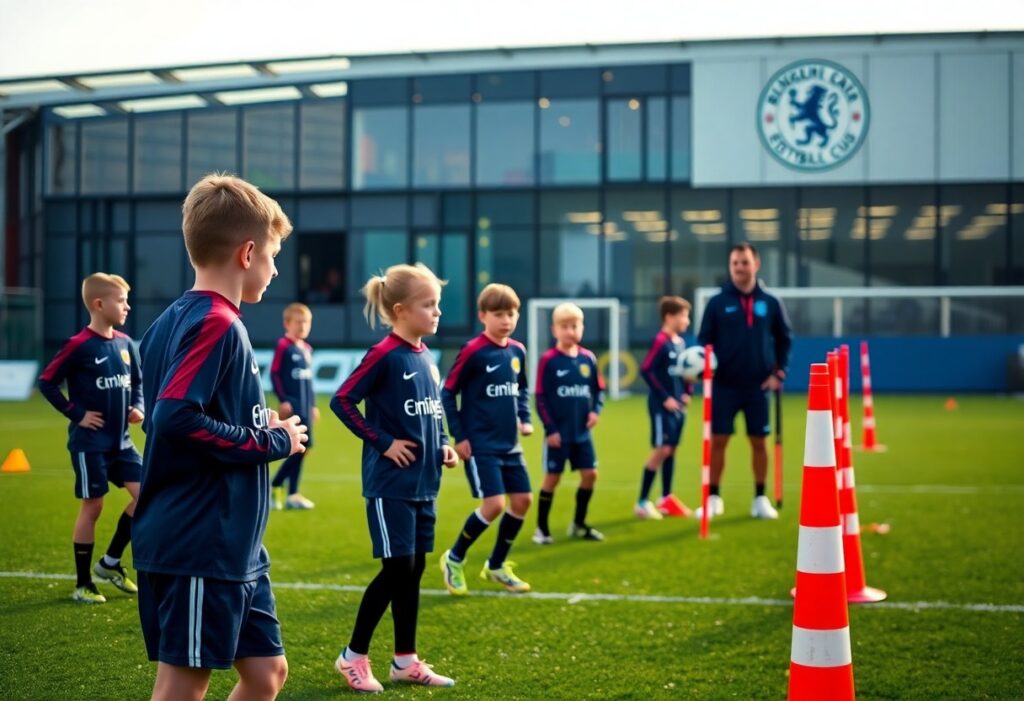
On-field training initiatives have become important in developing footballers’ skills. These programs often consist of daily training sessions, where players engage in intense drills that target specific technical skills and tactical understanding. Coaches utilize a blend of group activities and individual coaching to maximize each player’s potential, ensuring they benefit from personalized instruction. Interactive sessions also simulate match conditions, allowing players to apply learned concepts in real-time scenarios, fostering a deeper understanding of the game.
Among the various approaches, clubs implement small-sided games and match simulations that encourage quick decision-making and adaptability. This practical setup not only sharpens individual skills but also promotes teamwork and communication among young players. For example, clubs may have forwards focus on finishing drills with multiple players creating opportunities. By continuously adapting exercises to retain engagement and challenge players, trainers build both confidence and competence. Consequently, these on-field initiatives lay a solid foundation for future performance and professional success.
Key Factors Influencing Talent Development
Successful talent development in English football hinges on several key factors. These elements shape players from a young age and are vital for fostering their growth into world-class athletes. Coaching quality, facilities and resources, and scouting systems play significant roles in ensuring players receive the best support possible. Clubs recognize and emphasize these aspects to secure a competitive edge. After identifying these factors, programs can be tailored to enhance player progression.
Coaching Quality
Effective coaching forms the backbone of any successful talent development program. Experienced coaches, equipped with modern techniques and a deep understanding of the game, nurture young players’ skills and tactical awareness. They provide personalized feedback, ensuring that each player’s unique strengths are amplified while weaknesses are addressed, leading to a holistic growth approach.
Facilities and Resources
The importance of top-tier facilities and resources cannot be overstated in talent development. Clubs with state-of-the-art training grounds, advanced sports science, and medical support create environments that foster excellence. These amenities allow players to train effectively and recover properly, minimizing injuries and maximizing performance.
For instance, academies like Manchester City’s offer training facilities that include indoor pitches, gymnasiums, and video analysis rooms. With such high-quality infrastructures, young talents can focus on their development, receiving individualized attention alongside the latest technological advancements. A well-resourced environment nurtures not just physical ability but also the mental fortitude required to compete at elite levels, ensuring that prospects are fully prepared for the challenges of professional football.
Step-by-Step Process of Player Development
| Phase | Description |
| Scouting and Recruitment | Identifying and attracting talented players from grassroots to academy levels. |
| Skill Development and Training | Focused coaching to enhance technical, tactical, and physical attributes. |
| Match Experience | Providing competitive opportunities to apply learned skills. |
| Feedback and Mentorship | Incorporating constructive feedback for continuous improvement. |
Scouting and Recruitment
The process begins by scouting potentially talented players through local clubs and schools. Scouts look for attributes such as speed, technical ability, and game intelligence. Successful recruitment often relies on strong networks within the football community, allowing clubs to discover hidden gems. For instance, Chelsea’s youth program has unearthed talents like Ruben Loftus-Cheek and Callum Hudson-Odoi, highlighting the significance of effective scouting.
Skill Development and Training
Skill development focuses on personalized coaching to refine players’ abilities on and off the pitch. Players undergo specific drills tailored to their position, ensuring comprehensive growth. Clubs like Manchester United emphasize developing technical skills through innovative training sessions, allowing recruits to adapt to the premier level’s demands. This phase sets the groundwork for advanced tactical awareness that players must master.
The training regimen includes both individual and group sessions focusing on technical drills, tactical awareness, and mental conditioning. Clubs implement video analysis to provide players with insights into performance, helping to fine-tune their understanding of the game. Emphasis on strength and conditioning ensures players are equipped to handle the physical demands of professional football. The holistic approach adopted by top clubs cultivates a well-rounded player capable of excelling in various situations on the field.
Tips for Developing Young Talent
- Encouragement for risk-taking
- Feedback and constructive criticism
- Tailored training programs
- Collaboration with experienced players
This combination of approaches helps cultivate an environment where young players thrive.
Encouraging Player Autonomy
Empowering young players to take ownership of their development fosters confidence and creativity. Coaches can encourage autonomy by allowing players to make decisions during training and matches. For example, implementing small-sided games where players must strategize can enhance their problem-solving skills. This shift in responsibility helps them mature both on and off the pitch.
Establishing Support Systems
An effective support system is vital for nurturing young talent. This includes providing access to mentorship from former players, psychological support, and educational resources. Clubs can create networks that integrate sports science, nutrition, and life skills training. This holistic approach ensures players are well-rounded athletes who are prepared to face both the challenges of professional football and life beyond the pitch.
Pros and Cons of Talent Development Approaches
| Pros | Cons |
|---|---|
| Access to high-quality coaching | Potential for overtraining |
| Structured feedback and performance metrics | Risk of early burnout |
| Development of skill-specific techniques | Reduced exposure to diverse sports |
| Enhanced competition experience | Pressure to perform from a young age |
| Higher likelihood of reaching professional level | Neglect of academic education |
| Stronger mental resilience from youth | Lack of social balance and friendships |
| Possibility of financial backing | Possibility of injury due to high intensity |
| Long-term career planning | Increased dependence on sport |
| Promotion of discipline and work ethic | Unrealistic expectations set by clubs |
| Talent identification processes | Limited opportunities for late bloomers |
Benefits of Early Specialization
Specializing at an early age can lead to enhanced skill acquisition and mastery in young athletes. Focused training allows for intensive coaching on specific techniques and strategies, considerably speeding up development. Players honing their skills in a singular discipline often gain a competitive edge, as they commence on experiences that shape their technical prowess and tactical understanding of the game. Clubs benefit too, as they can track and nurture potential stars from a young age, leading to better retention rates and sustained success.
Risks of Overtraining and Burnout
While there are clear advantages to specialized training, the associated risks of overtraining cannot be overlooked. Athletes who become entrenched in their sport from an early age often face physical and mental fatigue, leading to injuries and a decrease in performance. The intense pressure to constantly excel can drain motivation, causing some talented individuals to abandon their sports entirely. Balancing rigorous training with rest and recovery is necessary to ensure young players remain engaged and healthy long-term.
Overtraining syndrome is characterized by diminished performance, chronic fatigue, and increased susceptibility to injuries such as stress fractures or tendinitis. Young athletes, particularly those driven by competitive pressure, may push themselves beyond safe limits, resulting in physical exhaustion and mental fatigue. According to a study by the American Academy of Pediatrics, up to 70% of young athletes experience burnout during their career. This not only detracts from their immediate enjoyment of the sport but also can lead to a lifelong aversion to physical activity if not managed properly. Fostering a supportive environment that prioritizes overall well-being is necessary in mitigating these risks.
Best Practices from Successful Clubs
Long-term Planning and Vision
Successful clubs implement long-term strategies that focus on nurturing talent over years, rather than seeking quick wins. For instance, clubs like Manchester City and Chelsea invest heavily in their academies, developing tailored training programs that cater to each player’s needs. Their focus on a cohesive football philosophy ensures young players transition smoothly into the first team, fostering an environment of continuous improvement.
Community Engagement and Support
Clubs that actively engage with their local communities often see enhanced talent development outcomes. By establishing grassroots initiatives, they create a network of support for aspiring young players. This connection enhances club loyalty and gives youth access to necessary resources for honing their skills.
Community engagement initiatives often include partnerships with local schools and organizations, providing funding and training facilities. Clubs like Liverpool have implemented programs that involve outreach to schools, helping youngsters identify their potential on the pitch. These efforts not only nurture local talent but also strengthen club identity. By fostering relationships with families and providing educational workshops, clubs ensure that players have a community backing them through their development journey. This holistic approach contributes significantly to a player’s growth both on and off the field, making the pathway to professional football more accessible.
To wrap up
On the whole, English football clubs have established comprehensive systems that focus on nurturing young talent through structured academies, experienced coaching staff, and strategic partnerships. This multifaceted approach emphasizes technical skill development, mental resilience, and consistent exposure to competitive environments. By integrating modern training methodologies with a rich footballing tradition, these clubs effectively cultivate players who possess both the skill and the mindset to excel at the highest levels of the sport. Consequently, they continue to contribute significantly to the global football landscape.
FAQ
Q: How do English football clubs identify potential talent from a young age?
A: English football clubs use a combination of scouting networks, youth academies, and local partnerships to identify young players. Clubs often hold trials and talent identification programs in schools and community leagues to find promising athletes. They assess not only technical skills but also physical attributes and potential for growth.
Q: What role do youth academies play in player development at English clubs?
A: Youth academies provide structured training programs focused on technical skills, tactical understanding, and physical conditioning. They offer a progression path for players from grassroots levels to professional environments, including mentorship from experienced coaches. This environment fosters discipline and teamwork, crucial for future success.
Q: How do English football clubs integrate young talent into senior teams?
A: Clubs integrate young talent by gradually introducing them to first-team training and matchday experiences. This often includes loan spells at lower-league clubs to gain experience and build confidence in competitive settings. Clubs also provide tailored mentoring and support to ease the transition and ensure young players can adapt effectively.