Modern Football Culture: How The World Cup Continues To Unite Fans Across Generations?
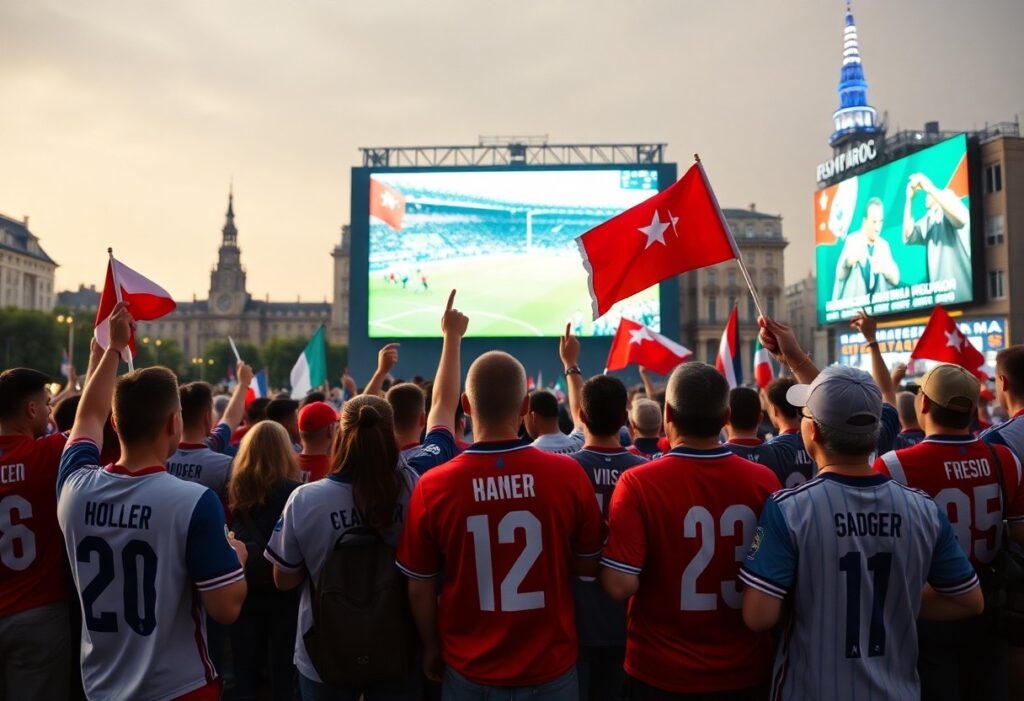
Most football enthusiasts agree that the World Cup serves as a powerful unifying force, transcending borders and generations. This prestigious tournament draws millions of fans, fostering community spirit and igniting passionate rivalries. Despite the potential for heightened tensions, the event emphasizes the joy and camaraderie that football brings to diverse populations. As families gather to celebrate their teams, the World Cup not only showcases elite talent but also reinforces cultural connections that span age and geography.
The Historical Significance of the World Cup
The World Cup holds deep historical significance, reflecting not just the evolution of football but also the cultural and geopolitical shifts shaping the world. Initiated in 1930, the tournament transcended mere sport, presenting a platform for nations to showcase their identity and unity, amid challenging times like the Great Depression and World War II. Its legacy lies in its ability to bring together nations, creating lasting memories and fostering international solidarity.
Origins of the Tournament
The inaugural World Cup took place in 1930 in Uruguay, driven by FIFA’s president Jules Rimet, who envisioned a global competition to celebrate football. Thirteen teams participated, with the host nation ultimately emerging victorious. The tournament marked the first time countries could compete on an international stage, setting the foundation for future events and establishing football as a unifying force worldwide.
Key Milestones
Several key milestones have defined the World Cup’s journey, including the introduction of television broadcasts, which dramatically expanded its reach. The 1950 tournament, marked by Brazil’s unexpected loss to Uruguay in the “Maracanazo,” became a defining moment in football history. The expansion to 32 teams in 1998 broadened representation, while the advent of women’s tournaments in 1991 further accelerated the sport’s global appeal.
Television broadcasts began in the 1954 World Cup, attracting millions of viewers and bringing football into homes across the globe. The tournament’s atmosphere reached a peak during the “Maracanazo” in 1950, where Uruguay stunned Brazil in the final match, showcasing the unpredictable nature of the sport. Expanding to 32 teams in the 1998 World Cup symbolized growth and inclusiveness, allowing more nations to compete, while the first women’s tournament in 1991 paved the way for greater equity and visibility in football, helping to bridge generational and gender divides in the sport’s culture.
The Evolution of Football Culture
The landscape of football culture has transformed significantly over the decades, moving from local communities and informal gatherings to a global phenomenon that captivates billions. As the sport matures, inclusivity and diversity have become central themes, with rising awareness of women’s football and various grassroots initiatives encouraging engagement among marginalized communities. This widespread cultural shift is evident in how football is now celebrated not just as a sport, but as a vibrant social movement that unites different demographics beyond geographical borders.
Changes in Fan Engagement
Fan engagement has radically evolved, driven by social media and digital platforms that allow supporters to connect instantly. Traditional forms of engagement, such as attending matches in person or gathering at local pubs, are now complemented by online communities that share memes, analyze games, and facilitate live discussions. Fans can participate in real-time polls during matches or interact directly with players and clubs through various channels, fostering a sense of belonging and community.
Technological Impacts
Emerging technologies are redefining the way fans experience football, enhancing engagement and interaction. Innovations like virtual reality (VR) and augmented reality (AR) provide immersive experiences, allowing fans to feel as if they are part of the action from the comfort of their homes. Additionally, the rise of data analytics offers deeper insights into game strategies, player performances, and fan behaviors, leading to a richer understanding of the sport.
Virtual reality technologies such as VR headsets have enabled fans to attend matches “virtually,” providing a unique experience that mimics being in the stadium. Moreover, platforms like FIFA’s eSports leagues have created new avenues for fan participation, allowing enthusiasts to connect and compete globally, while live streaming services ensure that even the most remote fans can access games. Data analytics plays a pivotal role, as clubs utilize advanced metrics to improve performance and tailor marketing strategies, thus enhancing the overall fan experience and engagement through targeted communications. This convergence of technology and football culture continues to bridge generations, allowing for a richer and more interactive sporting environment.
The Role of Social Media in Football
Social media has fundamentally altered the way fans engage with football, providing a platform for real-time interaction, discussions, and insights. Major tournaments like the World Cup see a surge in activity, with millions of posts, tweets, and videos reflecting the pulse of fan sentiment. Platforms such as Twitter and Instagram allow users to share highlights, memes, and opinions instantly, amplifying the excitement and drama that unfolds on the pitch.
Connecting Fans Globally
Social media bridges geographic divides, bringing together fans from diverse backgrounds and cultures. Tournaments spark a wave of online camaraderie, illustrated by hashtags that unite discussions and facilitate friendships among supporters worldwide. This digital interaction fosters a vibrant community, allowing fans to celebrate victories and console each other in defeats, regardless of distance.
Building Community through Shared Experiences
Online interactions during the World Cup serve as a catalyst for community building, where shared experiences resonate across borders. Live-tweeting matches, engaging in fan forums, and sharing match-day rituals create a sense of belonging among supporters. Memorable moments, such as a stunning goal or a controversial refereeing decision, become collective memories that bind fans together, fostering friendships that often extend beyond the tournament itself.
Generational Impact of the World Cup
The World Cup profoundly influences generations, creating an enduring legacy that transcends age. Families gather to watch matches, sparking conversations about their own experiences and fostering a shared passion for football. As champions rise and fall, memorable moments become part of collective memory, inspiring young fans to dream of glory, just like their predecessors did.
Passing Down Traditions
Traditions surrounding the World Cup often flow through families, with rituals such as wearing team jerseys, preparing special meals, or hosting viewing parties. These activities reinforce connections between generations, as stories of past tournaments and legendary players are passed down, enriching the experience and deepening the love for the game.
Engaging Younger Audiences
New generations are increasingly engaged with the World Cup through digital platforms and social media, blending traditional viewership with interactive experiences. Major tournaments attract a younger fan base, as influencers and content creators amplify excitement through highlights, memes, and behind-the-scenes insights.
Platforms like TikTok and Instagram play a pivotal role in capturing the interests of younger fans. For instance, during the 2022 World Cup, viral challenges and player-inspired dance trends drew millions of participants, with hashtags reaching several billion views. This digital engagement not only makes the event more accessible but also allows younger audiences to express their fandom creatively, sharing their passion with a global community in real-time.
The World Cup as a Unifying Force
The World Cup transcends geographical boundaries, uniting fans in a shared celebration of sport and humanity. Each tournament acts as a powerful reminder of football’s ability to bring together diverse populations, fostering connections that bridge generations and cultures. Whether in crowded living rooms or bustling public squares, fans unite, displaying their national pride while simultaneously embracing a global community.
Celebrating Diversity
Fans from various backgrounds converge during the World Cup, showcasing their unique cultures and traditions. This celebration emphasizes the beauty of diversity, as vibrant national flags, traditional attire, and distinct chants fill stadiums and streets alike. Such collective festivities serve not only as a tribute to individual nations but also to the universal love for the game.
Bridging Cultural Divides
The World Cup plays a significant role in bridging cultural divides, often transforming rivalries into shared experiences of joy and camaraderie. Fans from conflicting nations gather in harmony, cheering for their teams while acknowledging the players’ shared humanity. This intersection of passion often leads to friendships that last far beyond the tournament.
Historical examples illustrate this unifying power vividly. The infamous 1994 World Cup match between the USA and Brazil not only showcased footballing skill but also saw a mix of cultures coming together to create a vibrant atmosphere. Fans from both nations, despite differences, exchanged stories and traditions, enriching their World Cup experience. Similar narratives have emerged in every tournament, where rival fans connect over shared moments, reinforcing the notion that, ultimately, football is a universal language transcending social and cultural barriers.
Economic and Social Implications
The World Cup acts as a significant economic engine, influencing both local and global economies. Host nations experience a surge in tourism, with millions flocking to stadiums and surrounding areas, while global brands capitalize on heightened visibility and engagement. Beyond immediate financial benefits, the event fosters community spirit and national pride, reinforcing social bonds among fans and residents alike.
Local Impact on Host Nations
Host nations reap immense benefits from the World Cup, including an influx of tourists and investment in infrastructure. For instance, the 2014 World Cup in Brazil led to a reported 30% rise in tourism during the event period. Local businesses thrive, with increased demand for services ranging from hospitality to transportation, thus uplifting community morale and fostering a sense of unity.
Global Economy and Sponsorships
Major corporations invest heavily in World Cup sponsorships, recognizing the event’s potential to reach billions. This translates into millions of dollars for FIFA and host nations, with global brands like Coca-Cola and Adidas spending upwards of $1 billion to associate themselves with the tournament’s prestige. Such financial commitments catalyze economic growth while also highlighting the interdependence of football and commercial interests on a worldwide stage.
The impact of sponsorships extends far beyond immediate financial gains. Brands harness the emotional connection fans have with the World Cup, creating marketing campaigns that resonate deeply across diverse cultures. In addition to driving sales, these partnerships often fund community programs and sustainability projects in host nations, illustrating a growing awareness of social responsibility in sports. The World Cup’s global viewership, reaching over 3.5 billion people, ensures that sponsors gain unparalleled exposure, fostering a competitive environment that benefits the sport and enhances its cultural significance.
To wrap up
Considering all points, the World Cup stands as a defining event in modern football culture, transcending generational divides and fostering a unique sense of community among fans worldwide. Through shared experiences, celebrations, and rivalries, it not only promotes national pride but also emphasizes values of unity and sportsmanship. As the tournament evolves, its ability to connect diverse audiences through the love of football remains a testament to the sport’s enduring impact on global culture.
FAQ
Q: How does the World Cup foster connections between different generations of fans?
A: The World Cup serves as a common ground where families and communities come together, allowing older fans to share their memories and experiences with younger generations. This exchange not only strengthens family bonds but also keeps the history and traditions of the sport alive, creating a shared passion for football across age groups.
Q: In what ways does modern technology enhance the World Cup viewing experience for fans?
A: Modern technology, including streaming services, social media, and mobile apps, provides fans with immediate access to matches, highlights, and player interactions. This connectivity allows fans to engage with one another globally, share insights, and participate in live discussions, ultimately enriching the experience and uniting diverse groups of supporters.
Q: How do cultural differences among fans contribute to the atmosphere of the World Cup?
A: Cultural differences among fans create a vibrant and dynamic atmosphere during the World Cup, as diverse traditions, songs, and rituals come together. This melting pot of cultures not only enhances the excitement of the event but also promotes understanding and appreciation for various fan practices, forging deeper connections among supporters worldwide.