Greatest Stadiums Owned by Football Clubs
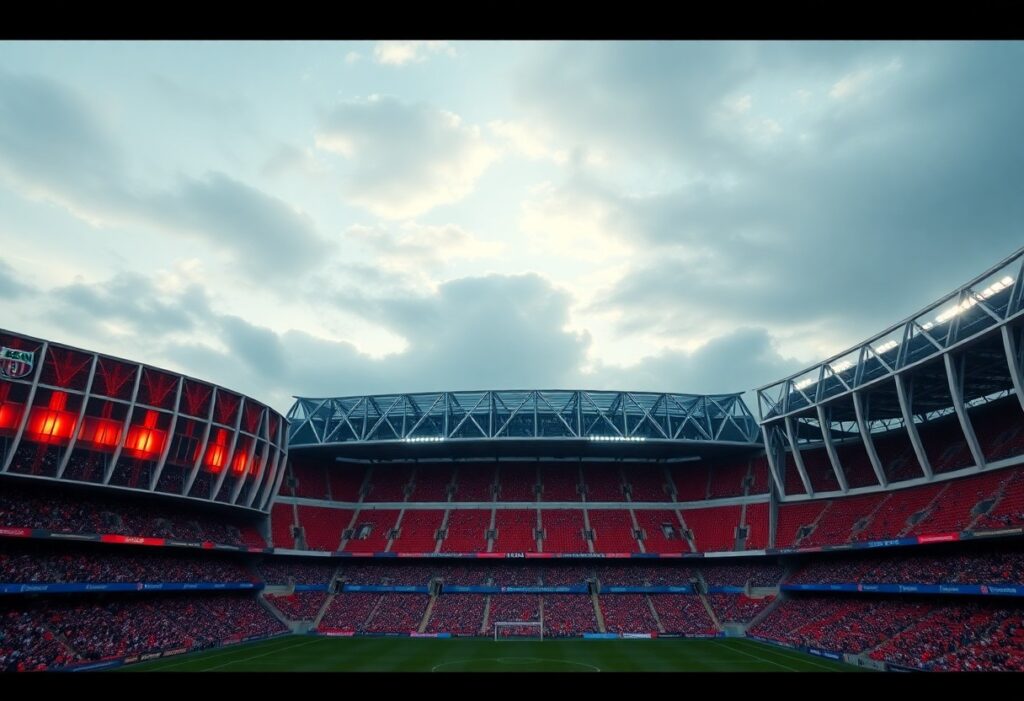
Clubs around the world have invested billions in creating architectural masterpieces that serve as their homes and fortresses. When you think of legendary football venues, you’re considering more than just playing surfaces – these stadiums represent the heart and soul of their respective clubs. Your understanding of football culture deepens when you explore how these magnificent structures blend cutting-edge design with rich tradition. From Barcelona’s Camp Nou to Manchester United’s Old Trafford, these venues showcase how clubs have transformed simple grounds into iconic destinations that define their identity and inspire generations of supporters worldwide.
Legendary Arenas That Define Football History
You’ll find that certain stadiums transcend their role as mere venues, becoming sacred temples where football’s greatest moments have unfolded. These legendary arenas carry the weight of decades, their walls echoing with the roars of generations who witnessed history in the making. From last-minute championship victories to heartbreaking defeats, these grounds have shaped not just individual clubs but the entire fabric of the beautiful game itself.
Iconic Venues with Rich Heritage
Your understanding of football heritage deepens when you explore venues like Anfield’s Kop, where “You’ll Never Walk Alone” first became a football anthem, or Old Trafford’s Stretford End, which has witnessed Manchester United’s rise from Second Division obscurity to global dominance. These stands aren’t just concrete and steel – they’re repositories of emotion where fathers have passed their passion to sons, where communities have gathered through triumph and tragedy, creating an intangible atmosphere that modern stadiums struggle to replicate despite their superior facilities.
Stadiums That Shaped the Game’s Evolution
You can trace football’s tactical evolution through the stadiums that pioneered new approaches to the game. Highbury’s marble halls and art deco elegance reflected Arsenal’s sophisticated passing style under Herbert Chapman, while Camp Nou’s vast expanse became the perfect stage for Barcelona’s tiki-taka philosophy to flourish before 99,000 spectators.
Your appreciation for these evolutionary venues grows when you consider how their unique characteristics influenced playing styles and fan culture. The intimidating proximity of Borussia Dortmund’s Yellow Wall at Signal Iduna Park didn’t just create atmosphere – it fundamentally changed how teams approached away fixtures in Germany, forcing tactical adaptations that rippled throughout European football. Similarly, the compact dimensions of Goodison Park shaped Everton’s direct, physical style for generations, while the San Siro’s shared heritage between AC Milan and Inter Milan created a unique dynamic where architectural rivalry bred tactical innovation. These stadiums became laboratories where managers experimented with formations, where crowd psychology influenced player performance, and where the very geometry of the pitch and stands contributed to football’s tactical revolution.
Architectural Marvels: Blending Functionality and Spectacle
You witness the evolution of stadium design through masterpieces like Bayern Munich’s Allianz Arena, where 2,874 diamond-shaped ETFE panels create a luminous exterior that changes colors based on which team plays. Modern football stadiums push architectural boundaries while serving 80,000+ spectators, incorporating retractable roofs, climate control systems, and acoustic engineering that amplifies crowd noise by up to 5 decibels. These structures cost upwards of €1 billion, yet generate substantial revenue through naming rights, premium seating, and year-round event hosting capabilities.
The Design Innovations Behind Modern Stadiums
You’ll discover cutting-edge technologies like Real Madrid’s Santiago Bernabéu renovation, featuring a retractable pitch that transforms the venue into a concert hall within hours. Advanced materials such as translucent PTFE membranes reduce energy consumption by 40% while providing optimal natural lighting. Smart stadium systems integrate 5G networks, enabling 360-degree camera angles and personalized content delivery to 70,000+ mobile devices simultaneously, revolutionizing how you experience live football.
Fan Experience: The Heartbeat of Stadium Architecture
You experience stadium design through sensory elements that amplify emotional connection to the game. Tottenham’s new stadium features the steepest seating rake in the Premier League, placing you just 4.9 meters from the touchline, while acoustic shells redirect sound waves to create an intimidating ‘wall of noise’ reaching 85 decibels during peak moments.
Your journey through these architectural marvels extends beyond the 90-minute match experience. Premium clubs invest millions in wayfinding systems that reduce concourse congestion by 30%, while strategically positioned food courts and retail spaces generate additional revenue streams. You’ll find that successful stadium design considers sight lines from every seat, ensuring unobstructed views even from the highest tiers 50 meters above pitch level. Temperature-controlled environments, high-speed WiFi networks capable of handling 60,000+ simultaneous connections, and mobile app integration for ordering refreshments directly to your seat demonstrate how architecture serves both atmosphere and convenience. These design elements work together to create what architects call ‘stadium stickiness’ – keeping you engaged and comfortable throughout extended matchday experiences that often span 4-5 hours.
Economic Giants: The Financial Impact of Stadium Ownership
You’re looking at multi-billion dollar enterprises when examining stadium-owning football clubs. Real Madrid’s Santiago Bernabéu generates over €150 million annually, while Barcelona’s Camp Nou contributes approximately €200 million to the club’s yearly revenue. Arsenal’s Emirates Stadium deal transformed the club’s financial landscape, increasing matchday revenue from £37 million at Highbury to over £100 million annually. Bayern Munich’s Allianz Arena ownership stake provides the German giants with significant revenue control and long-term financial stability that rental agreements simply cannot match.
Revenues Generated: Beyond Ticket Sales
Your understanding of stadium economics extends far beyond gate receipts. Manchester United’s Old Trafford generates £111 million annually through corporate hospitality, naming rights, and commercial partnerships. Tottenham’s new stadium features the world’s longest bar and microbrewery, creating year-round revenue streams. Juventus Stadium hosts concerts, conferences, and tours, contributing €40 million beyond football operations. These venues operate as entertainment complexes, with restaurants, museums, and retail spaces functioning 365 days per year, maximizing return on infrastructure investment.
Local Economy: The Ripple Effect of Football Stadiums
You’ll discover that stadium ownership creates substantial economic multiplier effects throughout surrounding communities. Liverpool’s Anfield regeneration project injected £260 million into the local economy, creating 2,000 permanent jobs. Chelsea’s proposed Stamford Bridge redevelopment would generate an estimated £1.2 billion economic impact for West London. Borussia Dortmund’s Signal Iduna Park contributes €165 million annually to the regional economy through employment, tourism, and supplier contracts.
Your local pub, restaurant, and hotel bookings surge dramatically on matchdays, with some establishments generating 40% of annual revenue during football season. Transport networks, security services, and catering suppliers form intricate economic ecosystems around these stadiums. Property values within a one-mile radius of successful club-owned stadiums typically increase by 8-12%, while local unemployment rates drop significantly. Small businesses flourish in stadium districts, from merchandise vendors to parking operators, creating sustainable employment opportunities that extend far beyond the 90 minutes of football action you witness on the pitch.
The Cultural Significance of Stadiums in Football Communities
You witness something profound when stepping into stadiums that have anchored their neighborhoods for generations. These concrete cathedrals serve as more than sporting venues – they function as cultural epicenters where traditions pass from grandparents to grandchildren, where local dialects echo through terraces, and where community identity crystallizes into something tangible. Liverpool’s Anfield demonstrates this perfectly, with its surrounding streets lined with pubs that have served the same families for decades, creating an ecosystem where match day becomes a neighborhood celebration extending far beyond the 90 minutes of play.
Stadiums as Community Hubs
You’ll discover that modern stadiums operate year-round as community anchors, hosting everything from youth training sessions to local business conferences. Arsenal’s Emirates Stadium welcomes over 200 community events annually, while Bayern Munich’s Allianz Arena transforms into a concert venue and corporate meeting space during off-seasons. These venues provide employment for thousands of local residents, from matchday stewards to full-time groundskeepers, creating economic ripple effects that sustain entire neighborhoods through both sporting success and lean periods.
The Role of Stadiums in Fostering Local Identity
You can observe how stadiums become physical manifestations of regional character and pride. Borussia Dortmund’s Signal Iduna Park, with its famous Yellow Wall, embodies the industrial heritage of the Ruhr Valley, while Athletic Bilbao’s San Mamés reflects Basque cultural independence through its architecture and atmosphere.
Your understanding deepens when you consider how these venues preserve local history through their very foundations. Many stadiums incorporate materials from their neighborhoods – Celtic Park features bricks from local tenements, while Fenway Park’s Green Monster uses steel from Boston’s industrial past. The naming rights often reflect community values: clubs like FC Barcelona have resisted corporate stadium names, maintaining Camp Nou as a symbol of Catalan identity. Match day rituals further cement this connection – from the pre-game processions through Liverpool’s streets to the coordinated displays at Eintracht Frankfurt that tell stories of local legends and historical events.
Future Trends in Stadium Development
You’ll witness a dramatic transformation in stadium design and functionality over the next decade as clubs prioritize environmental responsibility and cutting-edge technology. Modern developments focus on creating multi-purpose venues that generate revenue year-round while reducing their carbon footprint. Architects now integrate renewable energy systems, water recycling facilities, and locally-sourced materials into their blueprints. These innovations respond to both regulatory pressures and fan expectations for sustainable practices, fundamentally changing how you experience matchday atmospheres.
Sustainability Initiatives Transforming Stadium Practices
You can already see groundbreaking environmental projects at venues like Tottenham Hotspur Stadium, which features the world’s longest single-span roof structure made from recycled materials and rainwater harvesting systems. Solar panels now power LED lighting systems that consume 50% less energy than traditional floodlights, while smart waste management reduces landfill contributions by up to 80%. These green technologies don’t just benefit the environment – they slash operational costs, allowing clubs to reinvest savings into player development and fan amenities.
Technological Advancements Shaping the Fan Experience
You’ll encounter augmented reality features that overlay player statistics and tactical formations directly onto your smartphone screen during matches. Facial recognition systems now enable cashless payments and personalized concession recommendations based on your purchase history. Stadium apps provide real-time parking availability, bathroom queue lengths, and instant replays from multiple camera angles. These digital enhancements create seamless experiences that keep you connected to the action while streamlining venue operations.
Your future stadium visits will include holographic displays showing 360-degree match highlights in concourse areas, while AI-powered crowd management systems predict and prevent bottlenecks before they occur. Clubs like Manchester City already use beacon technology to guide you to your seat via the shortest route and send location-based offers to your device. Smart sensors embedded in seating areas monitor crowd density and automatically adjust lighting and temperature controls. Virtual reality lounges will let you experience training sessions alongside players or relive historic matches from any vantage point, transforming waiting time into immersive entertainment opportunities.
Conclusion
Conclusively, you have explored some of the most magnificent stadiums that define football club ownership worldwide. These architectural marvels represent far more than mere playing venues—they embody your club’s identity, heritage, and ambitions. From Camp Nou’s massive capacity to Old Trafford’s storied history, each stadium offers you a unique experience that transcends the beautiful game itself. As you consider visiting these iconic grounds, you’ll discover that club-owned stadiums provide an authentic connection between supporters and their teams. Your appreciation for football deepens when you witness how these legendary venues continue shaping the sport’s future while honoring its rich past.